Best Childrens Playground Sets for 2026 What to Look For?
Choosing the right childrens playground sets is crucial for our children's playtime. Experts like Jane Foster, a renowned child development specialist, emphasize, "Safe and engaging play environments are essential for growth." This highlights the importance of selecting playground sets with care.
In 2026, the market offers more options than ever. From wooden structures to high-tech playsets, choices can be overwhelming. However, not every option merits attention. Some sets may look appealing but lack safety features or durability. Parents should consider materials and design.
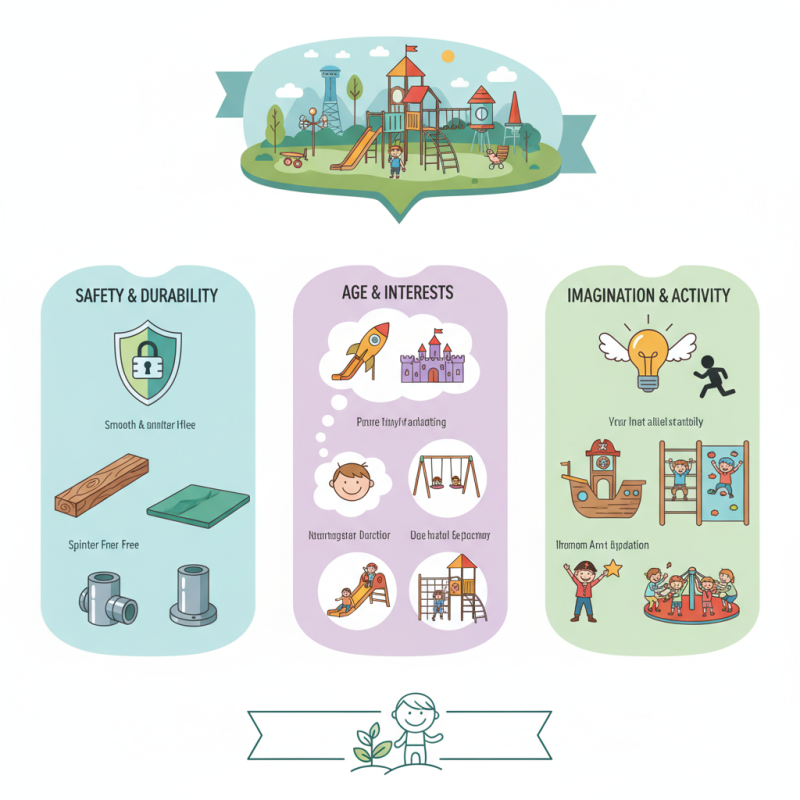
Ensuring a safe play environment is vital. Analyze if the set suits your child’s age and interests. The right set should inspire imagination and promote physical activity. Yet, many parents often overlook these factors. The right decision requires thoughtful consideration and research. Selecting the best childrens playground sets is not just an investment in toys; it's an investment in our children's development.
Best Materials for Children's Playground Sets in 2026
When choosing playground sets for children in 2026, materials matter greatly. Wood is a favorite choice for many. It's natural and offers a rustic look. However, untreated wood can splinter and decay over time. Regular maintenance is crucial to ensure safety.
Metal structures are also popular. They're sturdy and can withstand weather changes. But metal can get hot under the sun. This poses a burn risk. Parents must consider shade if opting for metal.
Plastic playground sets are lightweight and often colorful. Kids love bright colors, but durability can be an issue. Cheap plastic may crack or fade quickly. Finding a balance between aesthetics and longevity can be challenging. Always examine the warranty and customer reviews for insights. Making choices for playsets requires research and careful thought.
Essential Safety Features to Consider for Playground Equipment
When selecting a children's playground set, safety features should be a top priority. According to the U.S. Consumer Product Safety Commission, over 200,000 injuries each year involve playground equipment. Many of these injuries are preventable through proper design and maintenance. Pay attention to the age-appropriate design, as it significantly reduces the chances of accidents.
Consider the type of materials used. Steel and other sturdy materials typically last longer and provide better stability. Ensure that equipment is free from sharp edges or protruding parts. ASTM standards emphasize the importance of materials that can resist wear and tear while also protecting children. Look for soft, impact-absorbing surfaces, such as recycled rubber or mulch, which help minimize injury from falls.
Installation is another crucial aspect. Many injuries occur due to improper setup. Always follow the manufacturer’s guidelines for assembly. A level surface is vital for stability. Regular inspections can identify wear or damage, which is essential for ongoing safety. Community reports indicate that routine checks significantly lower injury rates. Investing in playground equipment with robust safety standards ensures children have a safe space to play and thrive.
Best Children's Playground Sets for 2026
Age-Appropriate Playground Set Designs for Different Child Development Stages
When selecting playground sets for children, age-appropriate designs are crucial. Each developmental stage requires different features. For toddlers, equipment should focus on safety and sensory play. According to a report by the American Academy of Pediatrics, children aged 1-3 benefit from low structures and enclosed spaces. This encourages exploration while minimizing risks. Bright colors and varied textures also stimulate their senses.
For preschoolers, transitional equipment is ideal. These playground sets can support physical development, balancing, and coordination. Studies show that children aged four to five thrive in environments encouraging active play and social interaction. Features like slides and climbing walls help build confidence. A National Recreation and Park Association report highlights that children at this age benefit from cooperative play options, fostering social skills.
As kids grow older, playground equipment must adapt. School-age children, around six and up, require more challenging sets. Features should include climbing ropes and multi-level structures. Research indicates that these types of playgrounds promote risk-taking and resilience. Parents should reflect on their child’s individual needs. Does the set allow for imaginative play? Is it engaging enough to keep them active? These considerations matter.
Best Childrens Playground Sets for 2026
| Age Group |
Playground Set Type |
Features |
Developmental Benefits |
Average Price ($) |
| 2-5 years |
Compact Playhouse |
Slides, Climbing Walls, Sandbox |
Gross motor skills, Imaginative play |
250 |
| 5-8 years |
Multi-Level Play Set |
Swings, Monkey Bars, Rope Ladder |
Coordination, Strength building |
500 |
| 8-12 years |
Advanced Adventure Set |
Climbing Structures, Zip Line, Swing Set |
Risk management, Teamwork, Social skills |
800 |
| 3-7 years |
Themed Play Set |
Castle, Pirate Ship, Forts |
Creative thinking, Role play |
450 |
| 1-3 years |
Toddler Play Gym |
Soft Play, Low Slides, Tunnels |
Safety, Sensory exploration |
120 |
Outdoor vs. Indoor Playground Sets: Pros and Cons
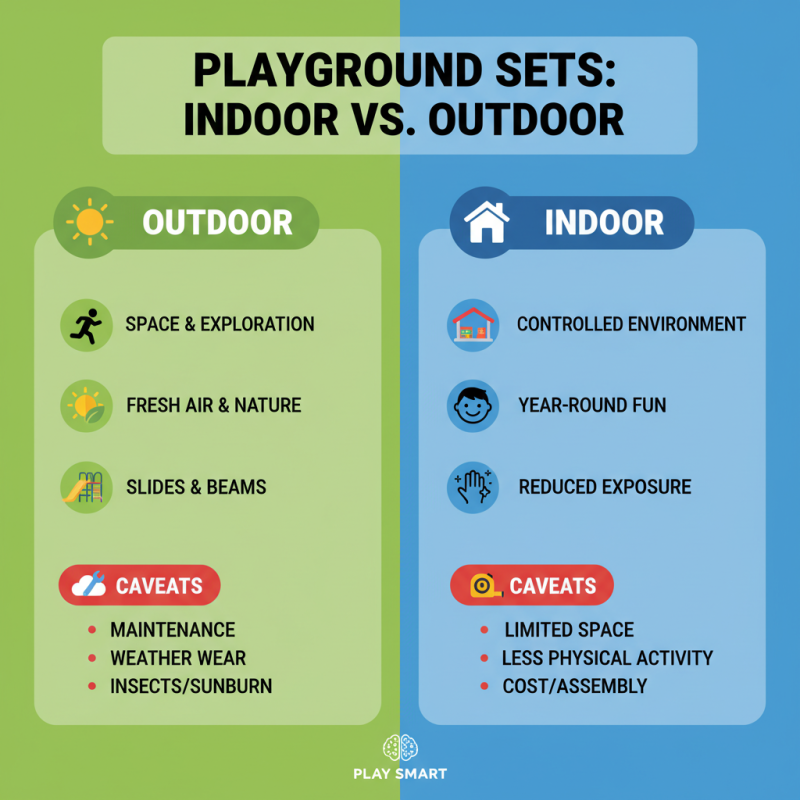
When choosing playground sets, it’s crucial to consider both outdoor and indoor options. Outdoor playground sets offer ample space for children to run and explore. They can enjoy the fresh air, sunshine, and nature. Kids love climbing up slides and balancing on beams. However, outdoor sets require maintenance. Weather changes can lead to wear and tear. Parents might worry about safety concerns like insects or sunburn.
Indoor playground sets are great for year-round play. They fit into smaller spaces, making them ideal for homes or apartments. Kids can have fun regardless of the weather outside. Still, they may lack the excitement of larger outdoor equipment. Noise can be an issue too. Too much activity can disturb others in the house. Understanding these trade-offs can help in making the right choice for your child’s play experience.
Cost vs. Quality: Investment Considerations for Playground Sets In 2026
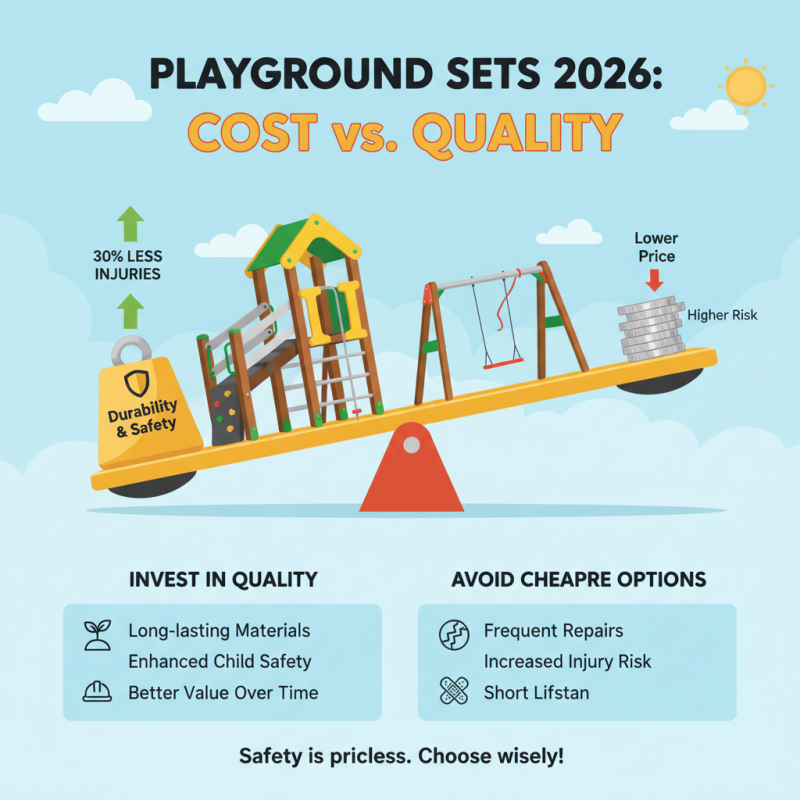
When considering playground sets for children in 2026, understanding the balance between cost and quality is crucial. Reports indicate that while many parents are tempted to choose lower-cost options, investing in quality sets pays off in safety and durability. A recent survey showed that playground injuries can decrease by 30% when durable materials are used. This highlights the importance of selecting well-made products over cheaper alternatives.
Look at the materials used in these sets. For instance, high-quality wood and rust-resistant metals can significantly enhance longevity. According to industry experts, cost-effective playground sets typically last about five years, while premium sets can endure for ten years or more. The initial price may be daunting, yet the long-term savings and safety benefits are clear. The issue lies in the tendency to overlook these aspects when purchasing on a budget.
Parents should also consider installation costs. Improperly installed equipment can lead to accidents. A report from the International Playground Safety Institute indicates that around 70% of playground injuries are due to installation errors. It’s essential to factor in these additional costs when making a decision. Quality sets might have higher upfront costs, but they often come with thorough guidance on safe installation, which can mitigate long-term risks.