What is the Best Outdoor Kitchen Cabinets for Your Space?
When designing an outdoor kitchen, the choice of cabinets is vital. "Quality outdoor kitchen cabinets can transform your space into a culinary haven," says John Smith, an expert in outdoor living design. His insights shed light on the importance of selecting durable and stylish cabinets to enhance functionality and aesthetics.
Outdoor kitchen cabinets need to withstand various weather conditions. Materials like stainless steel, teak, or polymer are favored for their resilience. Each option has unique qualities, offering varying benefits. It’s essential to assess these materials based on climate and personal style.
Many homeowners overlook storage solutions. Cabinets should not only be attractive but also maximize space. Consider features like pull-out shelves and built-in lighting. Thoughtful designs can enhance usability, making outdoor cooking enjoyable. Reflect on your needs carefully. The right outdoor kitchen cabinets will elevate your culinary experience while adding value to your home.
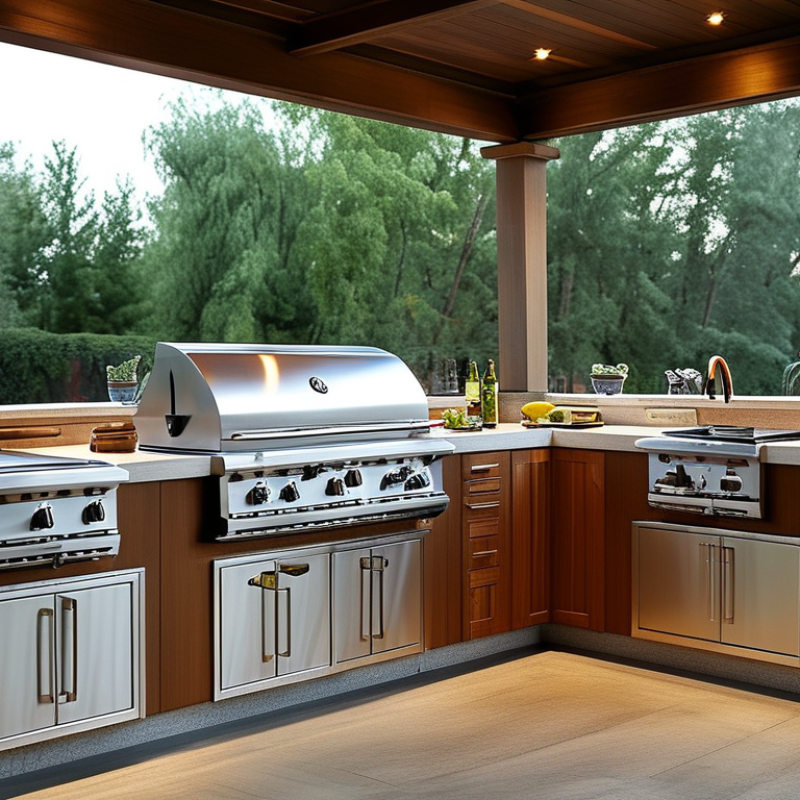
Factors to Consider When Choosing Outdoor Kitchen Cabinets
When choosing outdoor kitchen cabinets, several key factors come into play. Durability is paramount. Outdoor cabinets face weather changes, moisture, and temperature shifts. Materials such as stainless steel, polymer, or marine-grade wood resist these elements. According to a recent industry report, about 70% of homeowners prioritize weather-resistant materials when selecting outdoor kitchen features. This highlights the importance of alignment between material choice and environmental conditions.
Space is another crucial consideration. The layout should enhance the cooking flow while ensuring easy access to utensils and food. Most outdoor kitchens require around 100 to 150 square feet of space to accommodate essential features comfortably. A study from the National Kitchen & Bath Association (NKBA) emphasizes that efficient design can improve user experience significantly. Carefully measuring your area can help identify the best cabinet size and configuration.
Accessibility is also important. Outdoor cabinets should be user-friendly while catering to the needs of various users. As families often cook together, having enough storage aids collaboration. The cabinet height and layout must accommodate both tall and short individuals. Reflecting on personal needs plays a vital role in the decision-making process. Designing a functional space bridges practical requirements with aesthetic choices, making outdoor culinary experiences more enjoyable.
What is the Best Outdoor Kitchen Cabinets for Your Space? - Factors to Consider When Choosing Outdoor Kitchen Cabinets
| Material | Durability | Weather Resistance | Maintenance Level | Cost Range |
| Stainless Steel | High | Excellent | Low | $1,500 - $3,500 |
| Wood (Teak/Cedar) | Moderate | Good | Medium | $800 - $2,500 |
| Polymer | High | Excellent | Low | $1,000 - $3,000 |
| Aluminum | High | Good | Low | $1,200 - $2,800 |
| Melamine | Low | Fair | High | $600 - $1,500 |
Materials Best Suited for Outdoor Kitchen Cabinets
Choosing the right materials for outdoor kitchen cabinets is crucial. The ideal material should withstand weather changes. Popular choices include stainless steel, marine-grade polymer, and teak. Stainless steel offers durability and a modern look. Marine-grade polymer resists moisture and mold. Teak, while beautiful, requires more maintenance.
Opting for stainless steel means your cabinets can handle extreme temperatures. However, it can get hot under direct sunlight. Marine-grade polymer is resistant to fading but can scratch easily. Teak gives an elegant touch but demands regular oiling to maintain its color. Each material has its pros and cons, leading to different maintenance needs.
Consider your space and usage when selecting the material. Look for materials that complement your home's design. For instance, a coastal home might benefit from the durability of polymer. Always think about how you will care for the cabinets. Taking time to reflect on these factors will lead to a better choice.
Design Styles for Outdoor Kitchen Cabinets
When designing outdoor kitchen cabinets, consider the space and style of your home. A rustic design can connect your cooking area with nature. Think about using natural woods, which can weather beautifully over time. Dark woods add depth, while lighter tones can brighten up a small area. Metal accents can complement these wooden designs, providing an industrial touch.
For a modern look, sleek lines and minimalist features work best. Stainless steel cabinets offer durability and a contemporary flair. They are easy to clean and resist outdoor elements. Open shelving can reduce bulkiness and showcase your kitchen tools. Adding a splash of color through painted cabinets or vibrant tiles can enhance the modern aesthetic.
Mixing styles can create an inviting atmosphere. Combining various materials like stone and wood may seem challenging. However, it can add character and depth to your space. Always consider practicality; ensure that your design choices are functional for cooking and entertaining. Striking the right balance between style and usability is essential for an efficient outdoor kitchen.
What is the Best Outdoor Kitchen Cabinets for Your Space?
This chart represents the popularity of different outdoor kitchen cabinet materials based on homeowner preference. The data showcases the percentage of preference for various materials used in outdoor kitchens.
Tips for Maximizing Storage in Outdoor Kitchen Cabinets
When designing outdoor kitchen cabinets, maximizing storage is essential. Efficient use of space can transform your outdoor area into a functional haven. According to a report by the American Institute of Architects, 70% of homeowners prioritize functionality in outdoor kitchens. This highlights the need for well-planned storage solutions.
Incorporating vertical storage options can immediately enhance your outdoor kitchen's effectiveness. Consider using tall cabinets or shelves to take advantage of height. Bi-fold doors can create easy access while optimizing space. Built-in drawer dividers allow for organized utensils and tools, making it easier to find what you need quickly. Data from the National Kitchen & Bath Association indicates that homeowners reclaim up to 30% of space by utilizing these design strategies.
Including dedicated zones for different activities adds further efficiency. Keep grilling tools close to the grill and store pots near the food prep area. This clustering of resources reduces movement, enhancing convenience. As outdoor kitchens grow in popularity, it’s clear that thoughtful storage planning plays a pivotal role in their appeal, according to home design trends. Neglecting these aspects can lead to frustration, showing that elegance must also meet practicality in the outdoor design.
Maintenance and Care for Outdoor Kitchen Cabinets
Outdoor kitchen cabinets require regular care to maintain their beauty and functionality. Cleaning them is vital. Use mild soap and water for routine cleaning. Avoid harsh chemicals, as these can damage the finish. Make sure to wipe spills immediately. This prevents stains and mold growth.
Inspect cabinets for wear and tear. Look for signs of rust or corrosion, especially if you live near the coast. Over time, hardware may loosen. Tighten screws and hinges to keep doors functional. Check the seals on cabinets regularly. If they weaken, water can enter and cause damage.
Consider yearly maintenance checks. Reapply sealant or protective coatings as needed. Ensure that drawers and doors open smoothly. This reduces the risk of breakage. Remember, outdoor conditions can be harsh. Sun, rain, and temperature changes affect materials. Taking time for maintenance keeps your outdoor kitchen cabinets looking great for years.