• Monday

    9:00-5:00

  • Tuesday

    9:00-5:00

  • Wednesday

    9:00-5:00

  • Thursday

    9:00-5:00

  • Friday

    9:00-5:00

  • Saturday

    9:00-4:00

  • Sunday

    CLOSED

10 Best Swings for Swing Sets for Kids and Adults

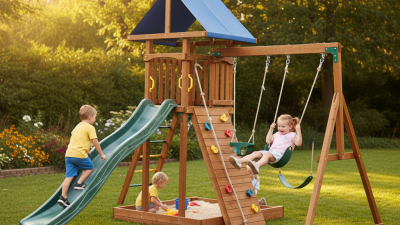
Choosing among the 10 best swings for swing sets means balancing comfort, durability, and a child’s changing needs. A toddler may need a supportive bucket seat, while older kids often prefer a belt swing or a flexible disc. Adults may value a wider seat and stronger weight capacity. Small details matter: a smooth finish, secure connectors, and chains that do not pinch fingers.

Safety deserves equal attention. The U.S. Consumer Product Safety Commission’s 2023 playground-equipment injury report estimated about 145,000 emergency-department visits involving children under 18. The CPSC’s Public Playground Safety Handbook highlights falls and impact-absorbing surfaces as key safety considerations. Those findings concern playground equipment broadly, not just backyard swings. Still, they are a useful reminder to check the ground beneath a swing and follow the manufacturer’s installation and weight-limit instructions.

Play has value beyond exercise. In an American Academy of Pediatrics clinical report, pediatrician Dr. Michael Yogman and coauthors wrote, “Play is essential to the social, emotional, cognitive, and physical well-being of children.” A swing can offer a simple, rhythmic kind of play: feet push off, chains creak, and the yard briefly becomes a place to slow down. A bigger swing is not automatically better. Fit, age, supervision, and regular checks all matter, and no single design suits every family. The guide ahead compares practical options for kids and adults, while keeping those trade-offs in view.
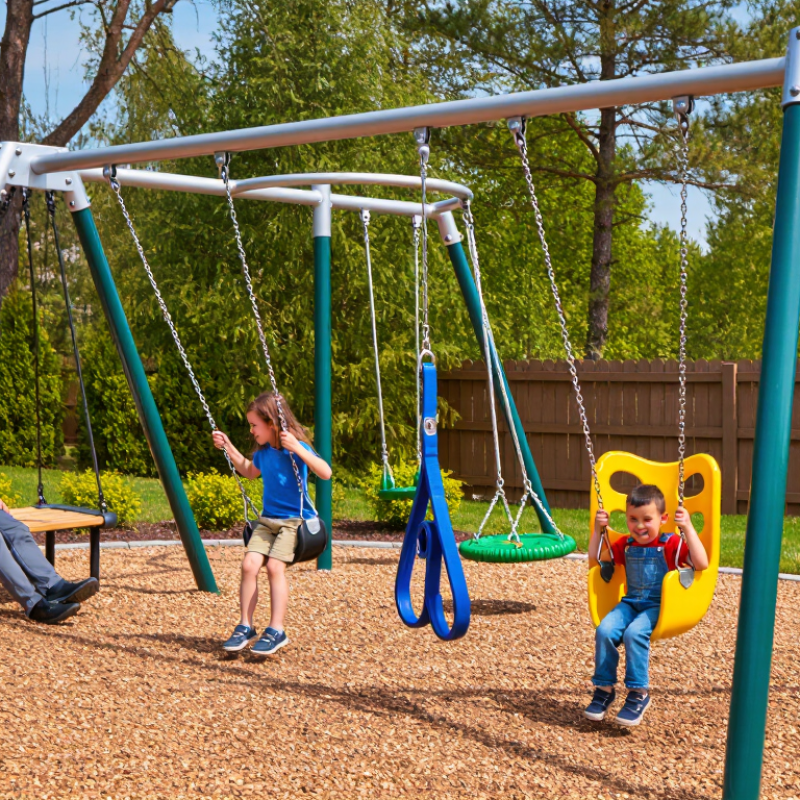
10 Best Swings for Swing Sets for Kids and Adults

Understanding Swing Types for Kids and Adults

Choosing the right swing starts with understanding how each type supports the body. Belt swings suit older children and adults who can balance independently. Their flexible seats create a familiar, open-air motion. Bucket swings offer deeper support for toddlers, especially when paired with a secure safety strap. They should never replace active supervision.

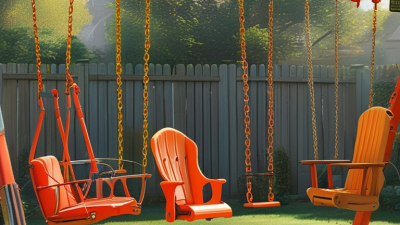
Tire swings provide a wider seat and gentle spinning, but they need strong overhead hardware. A hammock swing feels softer and calmer, making it useful for reading or sensory breaks. Glider swings move forward and backward with less height. They can suit siblings or adults who prefer steady movement. For children with mobility needs, an adaptive seat may improve access, but professional guidance matters.

I have found that comfort changes with height, weight, and confidence. An adult may enjoy a firm seat, while a child may need shoulder support. Check the seat surface, chains, connectors, and surrounding ground before every use. Look for pinched fingers, sharp edges, loose bolts, and worn ropes. Keep enough clearance from fences and other swings. Not every swing works for every family. I once underestimated how quickly a spinning seat could unsettle a child. That mistake changed how I judge motion, supervision, and spacing. Soft ground helps, but it cannot correct poor installation.
Key Features to Compare When Choosing a Swing

When comparing swings for children and adults, start with the intended user and the swing-set structure. Check the seat’s stated weight limit, suspension points, and compatibility with the frame. A wide belt seat may feel steady for a child, while an adult may prefer a larger, more supportive seat. Still, comfort is personal. A seat that looks roomy in a photo can feel narrow after ten minutes.

Look closely at materials and attachment hardware. Weather-resistant fabric or coated surfaces can handle outdoor exposure better, but they still need regular checks for fading, cracks, or rust. Chains should move freely and have no sharp edges; ropes should feel secure and show no fraying. Check the recommended hanging height and clearance around the swing, including space behind and in front. This detail is easy to miss. A swing needs room to move without striking a fence, tree, or walkway.

Also compare installation needs, grip, and maintenance. A toddler-style seat may include a high back and restraint, while a simple disc seat allows more movement but requires better balance. Read the setup instructions before buying, and confirm that the support structure is suitable for the expected load. I once focused too much on seat softness and overlooked the attachment length. It mattered more than I expected. Regular inspections help spot wear before it becomes a problem.

Ten Best Swings for Swing Sets for Kids and Adults

Ten Best Swings for Swing Sets for Kids and Adults should balance comfort, safety, and long-term value. The best selection is not always the most expensive. It should match the user’s age, weight, height, and movement style. Children often prefer flexible belt seats, while adults usually need wider seats and stronger suspension hardware. Check the stated weight limit, frame capacity, and attachment points together. A strong seat cannot correct a weak support beam.

Safety deserves careful attention. The U.S. Consumer Product Safety Commission reports that falls cause roughly four out of five playground equipment injuries. That figure makes surface protection essential, especially beneath active swings. The CPSC also recommends inspecting bolts, chains, connectors, and surrounding clearance regularly. For residential equipment, look for designs tested against ASTM F1148 guidance. Public playground equipment commonly follows ASTM F1487. These standards are useful references, but compliance claims still need verification. Some product descriptions remain vague.

Tips: Measure the swing zone before buying. Leave generous front and rear clearance. Test the seat height with a child’s feet touching comfortably. Adults should confirm the complete system rating, not only the seat rating. Use shock-absorbing ground material, and inspect it after rain or seasonal movement. A monthly hands-on check can reveal rust, loosened nuts, cracked plastic, or stretched ropes. No swing fits every family perfectly; reviewing the installation honestly may prevent an expensive mistake.

How to Match a Swing to Its Users and Setting

Choosing a swing starts with the person who will use it, not the color of the seat. A toddler needs a supportive bucket seat with secure openings; older children may prefer a flexible belt seat. Adults should check the swing’s stated weight limit and the strength of its frame or mounting point. The U.S. Consumer Product Safety Commission’s Public Playground Safety Handbook reports that falls account for about 79% of playground injuries. That makes landing space and impact-absorbing ground cover important, not optional details. A soft lawn can look safe, but soil compacts and grass wears thin beneath busy swings.

Tips: Measure the full arc before buying. Leave clear space in front and behind the seat, and check that branches, fences, and paths are out of reach. Match the material to the setting: coated metal can feel hot in strong sun, while untreated wood may need regular care. Inspect ropes, chains, connectors, and anchors for wear. For shared use, choose a design that suits the smallest regular user while meeting the needs of larger riders. That compromise can be awkward; one seat rarely fits everyone perfectly. Read the maker’s installation instructions, and have a qualified professional assess uncertain structural supports.

10 Best Swings for Swing Sets for Kids and Adults - How to Match a Swing to Its Users and Setting

Swing Type Best Suited For Typical Design Setting to Consider How to Match It
Belt swing Older children and adults, when the swing and frame are rated for their weight A flexible seat suspended by two chains or ropes Outdoor frames with enough clear space in front of and behind the swing Choose a seat width and suspension length suited to the user. Check the stated weight limit for both the swing and the supporting frame.
Bucket swing Young children who can sit independently but benefit from a supportive seat A molded seat with a high back and raised sides; designs vary in how much they enclose the child Play sets designed for a child-sized swing and appropriate supervision Match the seat opening and support to the child’s size. Follow the maker’s age guidance and move to a more open seat when the child outgrows it.
Full-support toddler swing Toddlers who need substantial support while seated A deep seat with a high back and front restraint or openings, depending on the design A sturdy, low-height swing station used with close adult supervision Check that the child fits securely and that any restraint is used as instructed. A swing seat does not replace supervision.
Disc swing Older children and users who enjoy standing or sitting on a compact seat A small round seat suspended from a single rope Open areas with room for the seat to rotate and swing without hitting obstacles Confirm the rope, attachment point, and frame are designed for the intended load. It may require more balance than a two-chain seat.
Saucer swing Children or adults who want a broader seat for sitting or reclining A fabric or mesh platform supported by a perimeter frame and multiple suspension points Spacious yards or play areas with generous clearance around the platform Compare platform size and maximum load with the intended users. Use only the number of occupants permitted by the product instructions.
Web swing Children who prefer a flexible surface for sitting or lying down A woven or mesh seat stretched across a circular or rectangular frame Outdoor settings where the seat can move freely and dry between uses Look for secure weaving and well-finished edges. Check for wear, loose strands, and the stated weight capacity regularly.
Glider swing Two children or a child and adult, if the model is specifically rated for shared use A two-seat unit that moves along a guided or linked motion A compatible play set with enough room for both seats and their movement Check the total load limit and per-seat guidance. Make sure riders can hold on and keep hands and feet clear of moving parts.
Tire swing Older children and adults when the tire, suspension, and support are rated for them A recycled or purpose-made tire hung horizontally or vertically A robust support structure with ample clearance in every direction Use a purpose-made swing tire or inspect a reused tire carefully. Ensure drainage holes are present where needed and inspect the suspension for wear.
Trapeze swing Older children who can grip securely and follow safe-use instructions A horizontal bar, sometimes paired with rings, suspended from two points A frame with suitable overhead clearance and a level, impact-absorbing surface below Choose a bar and grip size the user can hold comfortably. Check the load rating and keep the landing area free of hard obstacles.
Accessible adaptive swing Users who need additional postural support or a specialized seating position A supportive seat or platform designed for a particular range of mobility needs A properly installed accessible play area with suitable access and transfer space Match the support, restraints, and access method to the user’s needs with guidance from a qualified caregiver or professional. Follow the equipment’s intended-use instructions.

Safety note: Fit depends on the specific swing, frame, installation, and user. Check manufacturer instructions and weight limits, inspect hardware and suspension regularly, provide appropriate clearance and impact-absorbing surfacing, and supervise children.

Safety, Installation, and Maintenance Essentials

Choosing among the 10 best swings for swing sets starts with safety, not appearance. Check each seat’s age range, weight limit, and recommended hanging height. A swing should move freely without touching posts, platforms, or nearby seats. Allow at least 30 inches between adjacent seats, and keep the full swing path clear of fences, walls, and branches.

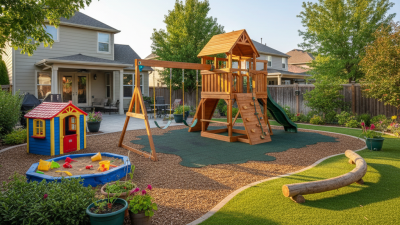
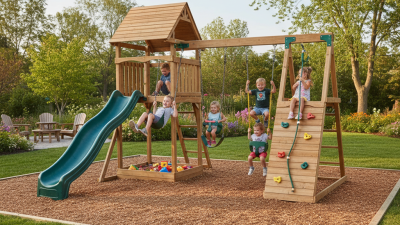
Installation requires careful ground preparation. Set the frame on level soil, then anchor every support according to the manufacturer’s instructions. Loose bolts can turn a stable set into a serious hazard. Use impact-absorbing surfacing beneath the swings, such as engineered wood fiber, rubber tiles, or suitable loose-fill material. Grass looks soft, but it offers unreliable protection after rain or repeated use. I once focused too much on frame alignment and overlooked a shallow anchor hole. That mistake changed how I inspect outdoor equipment.

Maintenance should be scheduled, not improvised. Before each use, look for cracked seats, frayed ropes, exposed metal, and missing fasteners. Test the frame for movement by applying firm pressure at several points. Tighten hardware when needed, but do not over-tighten parts that must pivot. Remove standing water and clean rough surfaces that could cause splinters. Seasonal checks matter most after storms, freezing weather, and heavy adult use. Keep written inspection dates, even if the set appears fine. My own inspections became more reliable after recording small defects instead of trusting memory.