• Monday

    9:00-5:00

  • Tuesday

    9:00-5:00

  • Wednesday

    9:00-5:00

  • Thursday

    9:00-5:00

  • Friday

    9:00-5:00

  • Saturday

    9:00-4:00

  • Sunday

    CLOSED

What Is the Best Type of Outside Play Set?

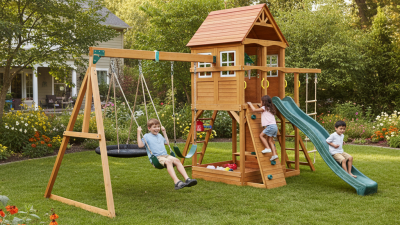
Choosing the best outside play sets begins with the children who will use them. Their ages, abilities, confidence, and available space matter more than bright colors or impressive towers. A compact set may suit a small yard better than a large structure with unused features. Measure the area carefully. Leave clear space around swings, slides, climbing walls, and exits.

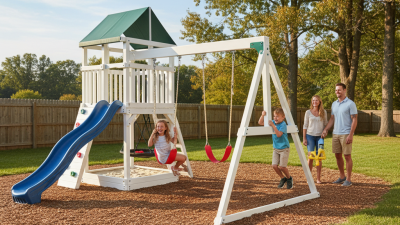
Dr. Mariana Brussoni, a leading outdoor-play researcher, describes risky play as “thrilling and exciting forms of play that involve uncertainty and a risk of physical injury.” Her observation matters here. Good outside play sets should offer manageable challenges, not unnecessary hazards. Look for stable platforms, secure handgrips, rounded edges, strong anchoring, and age-appropriate heights. Check the recommended fall zones and installation instructions before comparing prices. Safety is not only a product feature. It also depends on correct assembly, suitable surfacing, regular inspections, and adult supervision.

No set is perfect. A beautiful wooden tower can still feel cramped, difficult to maintain, or unsuitable for younger children. Plastic may resist moisture, while wood can provide a warmer, more natural appearance. Both materials have weaknesses. Families often overlook shade, drainage, and the child’s changing interests. That mistake can make an expensive set feel boring within a year. This guide compares design, durability, safety, accessibility, maintenance, and long-term value. It also questions common assumptions, because the most expensive option is not automatically the best outside play sets choice.
What Is the Best Type of Outside Play Set?

Types of Outdoor Play Sets and Their Main Features

What Is the Best Type of Outside Play Set?

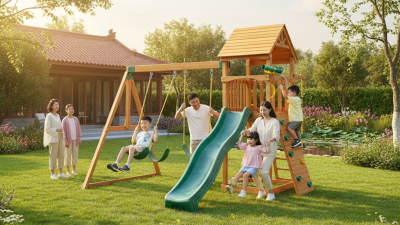
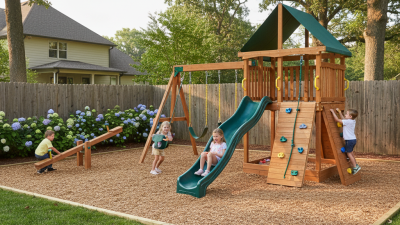
Wooden play sets offer a warm, natural appearance and flexible layouts. They can include swings, climbing walls, slides, and elevated platforms. However, wood needs regular checks for splinters, cracks, moisture, and loose hardware.

Metal sets provide strong frames and support frequent use. Their surfaces may become hot under direct sunlight. Plastic sets are lightweight, colorful, and often suitable for younger children. They usually need less maintenance, but their parts can fade or weaken outdoors.

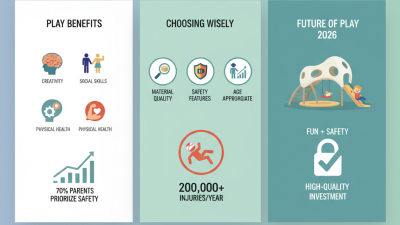
Modular play sets allow families to add features as children grow. A compact set may fit a small garden, while a larger structure needs generous fall space. The U.S. Consumer Product Safety Commission’s Public Playground Safety Handbook reports about 200,000 playground-related emergency department injuries among children each year. Falls account for a large share. This makes protective surfacing, secure anchoring, and age-appropriate design more important than appearance alone. No material wins every yard. I still think buyers often underestimate installation quality.

Tips: Measure the fall zone before purchasing. Keep swings away from walls, fences, and tree trunks. Choose impact-absorbing surfacing, such as engineered wood fiber or approved rubber materials. Inspect bolts, ropes, steps, and slide edges monthly. Follow ASTM F1148 guidance for home playground equipment where applicable. A professional installer can identify uneven ground and hidden stability problems. Even then, supervision remains necessary, especially for toddlers and first-time climbers.
Age, Space, and Safety Requirements to Consider

What Is the Best Type of Outside Play Set?

Age should guide the play set more than appearance. Toddlers need low platforms, short steps, wide grips, and enclosed openings. Preschool children often enjoy small slides, ramps, and gentle climbing walls. Older children may need taller structures, but height increases fall risk. Check the manufacturer’s age guidance before buying. It is not a perfect substitute for supervision.

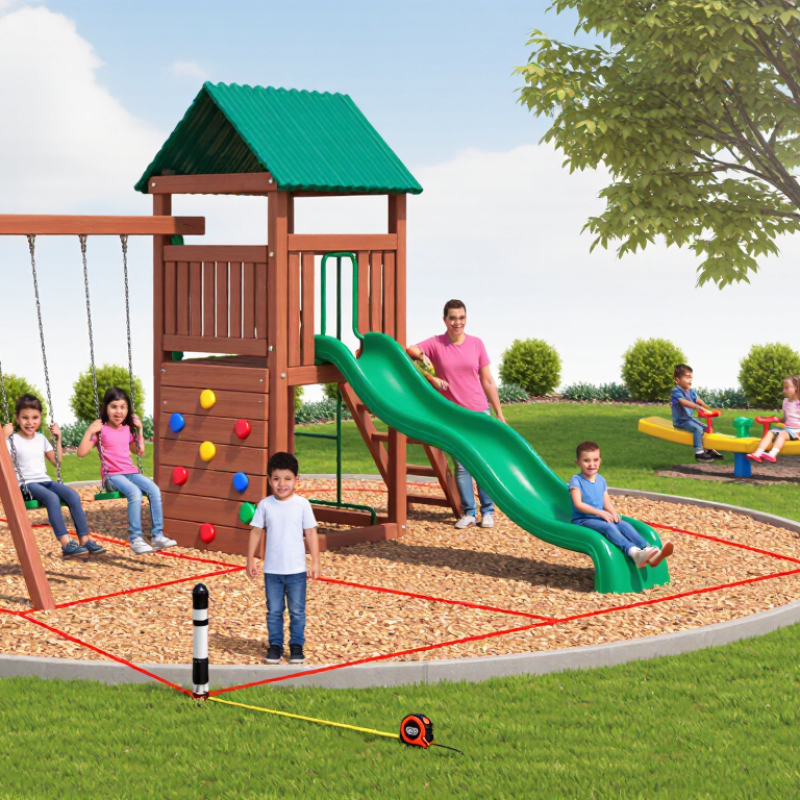
Measure the entire play area, not just the equipment. Leave generous clearance around swings, slides, and climbing sections. A swing needs open space in front and behind it. The ground should be level, stable, and covered with impact-absorbing material. Grass can become hard and slippery after dry weather. Soft surfacing needs regular maintenance, too. Many families underestimate this part.

Safety depends on installation and daily habits. Anchor the structure securely, tighten loose bolts, and inspect ropes, platforms, and handrails frequently. Look for sharp edges, splinters, rust, and trapped fingers. Keep the set away from fences, walls, branches, and pools. Shade helps, but hot plastic and metal can still burn young skin. I once overlooked afternoon glare when planning an outdoor area. That mistake changed how I judge comfort and safety. A smaller set with clear visibility may serve a family better than a larger, crowded design.

What Is the Best Type of Outside Play Set? - Age, Space, and Safety Requirements to Consider

Typical specifications vary by design. Always follow the product instructions, local regulations, and current playground-safety guidance.
Play Set Type Suitable Age Range Typical Footprint Recommended Use Main Safety Requirements Best For
Toddler Activity Center 18 months–4 years, depending on the design About 4 × 5 ft; allow additional open space around slides and climbing areas Low platforms, short slides, small climbing features, and basic imaginative play Low fall height, enclosed or easy-grip steps, stable base, rounded edges, and close adult supervision Small yards and younger children developing balance and coordination
Compact Swing Set Typically 3–8 years; verify the seat and frame limits About 8 × 10 ft; preserve a clear zone in front, behind, and beside the swings Swinging, gross-motor activity, and simple outdoor play Secure anchoring, strong swing beams, flexible seats for younger users, no entanglement hazards, and impact-absorbing surfacing Families prioritizing swinging in a medium-sized yard
Playhouse About 2–8 years, based on access height and interior layout About 5 × 6 ft; allow room for doors, windows, and adult access Role play, reading, social interaction, and quiet imaginative activity Ventilation, pinch-point protection, stable flooring, weather-resistant construction, and secure doors or windows Smaller spaces and children who prefer imaginative play over climbing
Climbing Dome or Low Climber Usually 5–12 years; use only within the stated height and weight limits About 8 × 8 ft; provide a generous fall zone on every side Climbing, upper-body strength, balance, and cooperative play Impact-absorbing surfacing, secure anchoring, smooth joints, appropriate grip spacing, and continuous supervision for younger children Active children and yards with room for a fall-protection area
Modular Play Set Commonly 3–10 years; select features according to the child’s developmental level About 12 × 16 ft or larger, including the recommended use zone Slides, swings, climbing walls, decks, ladders, and imaginative play in one structure Professional-quality anchoring, protective surfacing, guardrails, safe platform access, regular hardware checks, and age-appropriate features Multiple children and larger yards seeking varied activities
Natural Play Area About 2–12 years, with separate zones for different abilities Flexible; often 12 × 16 ft or more for logs, stepping elements, sand, and planting areas Sensory play, balancing, building, pretend play, and open-ended exploration Non-toxic materials, stable stepping surfaces, no sharp branches or exposed fasteners, clear visibility, shade, and routine inspections Families wanting flexible play that can change as children grow
Key selection checklist: Measure the available yard, check the manufacturer’s age and weight limits, maintain a clear use zone, anchor the structure securely, install suitable impact-absorbing surfacing beneath elevated equipment, inspect hardware and surfaces regularly, and supervise children according to their age and abilities.

Comparing Materials, Durability, and Maintenance Needs

Choosing the best outside play set depends on how its material handles weather, heavy use, and regular care. Wood offers a warm, natural appearance and feels sturdy under active play. However, it can absorb moisture, develop cracks, and attract insects without sealing. I once underestimated how quickly rainwater collected around wooden posts. That small drainage problem caused early softening near the ground.

Metal play sets usually provide strong frames and long service life. Powder-coated surfaces resist rust, but scratches can expose bare steel. Check joints, bolts, and welded areas every few months. These spots often show trouble first. Dark metal may also become uncomfortably hot in direct summer sunlight. Shade matters. A simple hand test before play can prevent burned skin.

Plastic and composite materials require less upkeep, especially in damp climates. They resist rot and usually need only mild soap, water, and inspection for cracks. Still, cheaper plastic may fade or become brittle after years of ultraviolet exposure. Composite boards can last well, but they may cost more and feel less traditional. In my view, maintenance needs should influence the choice as much as appearance. A beautiful set becomes disappointing when owners avoid cleaning, tightening hardware, or checking anchors. I am not convinced that “maintenance-free” is a realistic promise. Every play set needs inspections, even when the surface looks untouched. Loose fasteners, sharp edges, and standing water deserve immediate attention.

Matching Play Set Designs to Children’s Activities

What Is the Best Type of Outside Play Set?

The best outside play set matches how children naturally play, not just how impressive it looks. Active climbers may enjoy a structure with sturdy steps, a low climbing wall, and a slide. Children who invent stories often need a small platform, steering panel, or shaded playhouse. Younger children benefit from short platforms, wide steps, and easy-to-grip rails. The design should fit their current abilities, with room for safe progress. A tall tower can seem exciting, but it may offer little value if children avoid climbing it.

Tips: Watch children play before choosing. Do they run, climb, pretend, or build? Measure the available space carefully, including the fall zone. Choose stable materials, rounded edges, and surfaces that stay cooler in direct sunlight. Check every connection regularly. Small issues grow quickly outdoors.

For families with several children, a flexible play set often works best. A swing encourages movement, while a sandbox supports quieter, creative activity. A climbing feature develops balance, but it should match the child’s confidence and coordination. I have seen children ignore elaborate accessories and return to one simple ramp. That observation is easy to overlook. More features do not always create better play. Weather, supervision, and maintenance also affect daily use. A well-designed set may still need adjustments as children grow, and that is part of choosing responsibly.

Choosing the Best Outdoor Play Set for Your Family

Choosing the Best Outdoor Play Set for Your Family

The best outdoor play set should fit your children, yard, and daily routine. A toddler needs low platforms, wide steps, and secure handrails. Older children may prefer climbing walls, swings, or challenging ladders. Measure the available space before shopping. Leave extra room around swings and sliding areas. Check the ground, too. Grass may look soft, but it can become muddy and uneven after rain. A level surface with suitable protective material offers better stability and safer play.

Tips: Look for strong construction and smooth, rounded edges. Read the weight limits carefully. Check whether the set meets recognized safety standards. Inspect bolts, ropes, and connections regularly. Place the structure where adults can see it easily from the house. Shade matters during hot afternoons. It is a small detail, but children notice comfort quickly.

Your family’s habits should guide the final choice. A compact set may work better for younger children and smaller yards. A larger structure can provide years of use, but it needs more maintenance. Think about cleaning, repainting, drainage, and seasonal storage. I once underestimated how quickly sand and leaves collect beneath play equipment. That extra cleaning time matters. No play set is perfect. Choose the one that supports active play without making supervision difficult.