How to Choose the Best Fashion Raincoat for Any Weather?
Choosing a raincoat is not just about avoiding a wet commute. A useful Fashion Raincoat must match the rain, wind, activity, and temperature you actually face. A lightweight shell may suit a warm drizzle, while a longer, seam-sealed coat can offer more coverage during steady rain. Small details matter.
The World Meteorological Organization’s State of the Global Climate 2024 report recorded 2024 as the warmest year in its observational record, at about 1.55°C above the 1850–1900 average. The report also describes an intensifying water cycle and damaging heavy-precipitation events. This does not tell you what tomorrow’s weather will be in your city. It does underline why choosing outerwear for one predictable kind of day can be a poor bet.
A better choice starts with the garment’s construction and your routine. Check whether seams are sealed, the hood adjusts securely, and the fabric allows enough airflow for walking or cycling. AATCC TM127, an established textile test method, measures water resistance under hydrostatic pressure; it is one useful reference, not a promise of comfort in every storm. Fit matters, too: room for a sweater can help in cold rain, but excess fabric may feel awkward on a crowded train. No coat solves every weather problem. This guide compares practical features, materials, and trade-offs so you can choose with clearer expectations—and avoid paying for specifications you may never use.
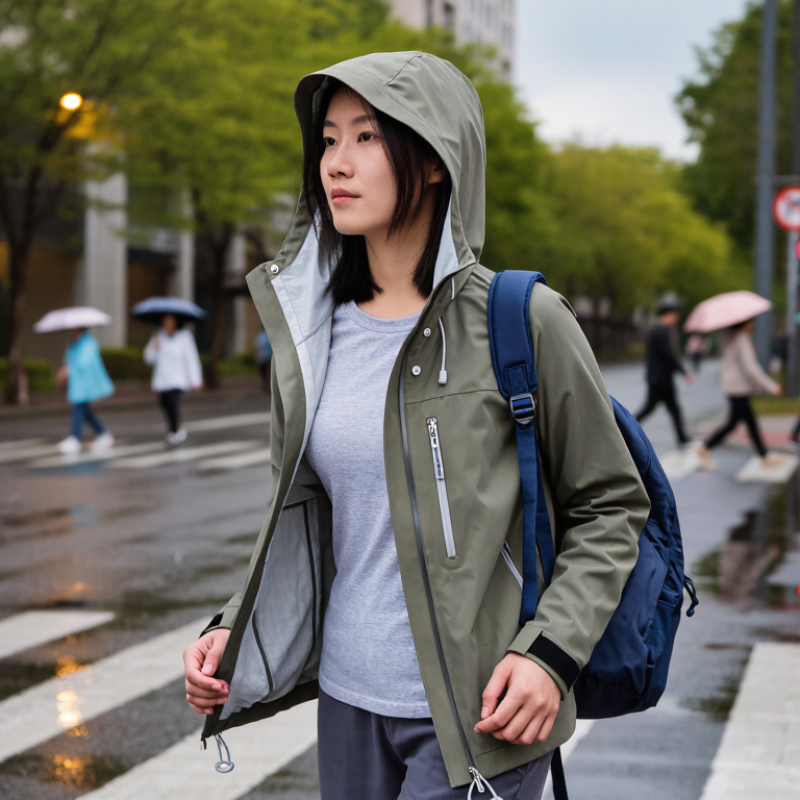
Assess Your Climate, Activities, and Rain Protection Needs
Start with the rain you actually face, not the coat’s appearance. NOAA’s 1991–2020 U.S. Climate Normals record about 39 inches of annual precipitation in Seattle and roughly 50 inches in New York City. These averages cannot predict a wet Tuesday, but they help compare climates. In frequent, steady rain, look for a waterproof shell with sealed seams and an adjustable hood. For brief showers, a lighter, packable coat may be more comfortable. That matters.
Match the coat to your routine, too. A brisk walk to work calls for easy layering and cuffs that close over sleeves. Cycling or hiking creates more heat, so ventilation and room to move may matter as much as maximum rain protection. Check whether the hood stays put when you turn your head, and whether the hem covers your hips when you sit. For exposed, windy routes, a longer cut and secure closures can reduce rain sneaking in. I’d avoid treating any waterproof label as a guarantee of comfort: breathability, fit, and care affect how a coat feels in use. NOAA’s climate normals describe long-term patterns, not the exact conditions on your route. A small umbrella may still be useful.
Compare Waterproof Fabrics, Breathability, and Weather Resistance
A raincoat may be labeled waterproof, but the fabric and construction determine how it performs outdoors. For steady rain, a waterproof membrane or coated fabric helps keep water from reaching your clothes. Sealed seams matter too: tiny stitch holes can let rain seep through at the shoulders. Check the hood, cuffs, and front closure, where wind-driven drops often find a way in.
Breathability affects comfort as much as water resistance. A tightly coated shell can feel clammy when you walk quickly or carry a bag. Look for ventilation openings or a breathable membrane, and consider whether you will wear the coat over a light shirt or a warm sweater. No fabric handles every condition perfectly. That trade-off is real.
Think about the weather you actually face. In mild drizzle, a lighter water-resistant fabric may feel easier to wear than a heavy waterproof shell. For cold, windy rain, a longer cut and adjustable cuffs can help block drafts. Run your fingers over the lining and test the zipper before buying; small details can be awkward in daily use. I still find fabric descriptions a little confusing, so compare garment features rather than relying on one label.
Choose a Raincoat Style, Fit, and Length for Everyday Comfort
How to Choose the Best Fashion Raincoat for Any Weather?
Choose a Raincoat Style, Fit, and Length for Everyday Comfort
A raincoat should suit your routine, not just a forecast. A simple hooded shell works well for walking or commuting, while a belted coat can feel more polished over office clothes. Look for adjustable cuffs and a hood that stays put without blocking your view. Small details matter.
Fit affects comfort when the weather turns. Try the coat over a sweater or light jacket, then reach forward and raise your arms. The shoulders should move freely, and the zipper should close without pulling. Hip-length coats are easy to wear and move in. Longer styles offer more coverage, but can feel cumbersome on crowded buses or windy streets. I sometimes prefer a slightly roomier fit, though excess fabric can catch the wind.
Tips: Check that seams are sealed and the fabric feels comfortable against your neck. If you carry a bag, test the coat with its strap in place. Choose a length that covers the clothes you wear most often. A useful raincoat need not feel perfect in every situation; comfort is a practical balance.
Check Features Such as Hoods, Seams, Pockets, and Closures
How to Choose the Best Fashion Raincoat for Any Weather?
A useful raincoat starts with a hood that stays put. Look for adjustable cords, a shaped brim, and enough room to turn your head. A hood that blocks your view is not a good trade. The World Meteorological Organization’s State of the Global Climate 2024 report estimated global temperatures at 1.55°C above the 1850–1900 average. This does not predict local rain, but it is a reminder to choose for changing conditions, not just a light drizzle.
Inspect seams closely. Sealed or taped seams help prevent water from seeping through stitch holes, especially at the shoulders. Check that pockets have storm flaps or secure closures; otherwise, a phone may get soaked while your hands stay dry. Zippers should move smoothly and have a protective flap or water-resistant design. Try fastening the coat over a sweater. A snug fit can look sharp, but tight shoulders make reaching for a bus handle awkward.
Tips: Test the hood in a mirror. Check pocket closures with gloves on. If possible, wear the coat in a gentle shower before relying on it all day.
Match Care Requirements and Budget to Long-Term Use
Before comparing prices, check the care label and fabric details. A raincoat that needs special cleaning may cost more to maintain than one you can wash at home. Follow the maker’s instructions: some coatings can be damaged by fabric softener, high heat, or harsh detergents. Small detail, big difference. After a wet commute, hang the coat open and let it dry fully before storing it. This helps limit trapped moisture and stale odors. If you often walk through heavy rain, inspect the seams and closures; a stylish cut is less useful when water seeps through a shoulder seam. Care needs vary. Not every water-resistant finish can be refreshed the same way.
Set a budget that includes upkeep, not just the checkout price. A slightly higher-cost coat may be worthwhile if its lining, zipper, and stitching hold up through frequent wear. Still, price alone proves little. Look for clear care guidance, sturdy construction, and repair options, such as replaceable zipper pulls or accessible seam repairs. For occasional drizzle, a simpler coat may be enough; daily cyclists or commuters may need tougher fabric and more coverage. Think about cost per wear: divide the expected price by how often you will realistically use it. That estimate is imperfect, of course. Weather changes, and preferences do too. Choose a coat you will actually maintain, rather than one whose care routine feels like another chore.
How to Choose the Best Fashion Raincoat for Any Weather?
Compare estimated yearly ownership costs to balance purchase price, care needs, and expected lifespan.
Planning estimates in USD, not market averages. Annual cost is calculated as purchase price divided by assumed useful life, plus estimated yearly care costs. Actual costs vary with local prices, wear, and care instructions. Follow each garment’s care label; technical shells may need specialist detergent or periodic reproofing.