Choosing the right Packaging Plastic Pouch in 2026 requires more than comparing prices or attractive artwork. The pouch must protect its contents, fit the filling line, and support practical sustainability goals. A coffee pouch may need strong oxygen and moisture barriers. A frozen-food pouch may need flexible seals that survive low temperatures. A refill pouch may need a comfortable spout, reliable closure, and controlled pouring. Small details matter. A weak corner can ruin an entire shipment.
Experienced packaging teams normally review product sensitivity, shelf life, seal strength, puncture resistance, and storage conditions. They also request supplier test data, material specifications, and migration documentation for relevant applications. Laboratory testing should support real production trials. A pouch that performs well on paper may wrinkle, leak, or jam during high-speed filling. That lesson is easy to overlook. It should not be.
Material selection also deserves careful thought. Mono-material structures may improve recycling potential, while multilayer films can deliver stronger protection. The better choice depends on local recycling systems, product demands, and verified performance. Claims such as “eco-friendly” need evidence, not attractive wording. Packaging specialists should check applicable food-contact requirements, labeling rules, and quality standards before approval. Supplier transparency builds confidence. So does traceability.
No checklist is perfect. Buyer preferences, regulations, and recycling infrastructure can change during 2026. A thoughtful decision therefore balances performance, cost, appearance, and end-of-life options. The strongest Packaging Plastic Pouch is not always the thinnest or cheapest. It is the one that protects the product consistently and fits the complete supply chain.
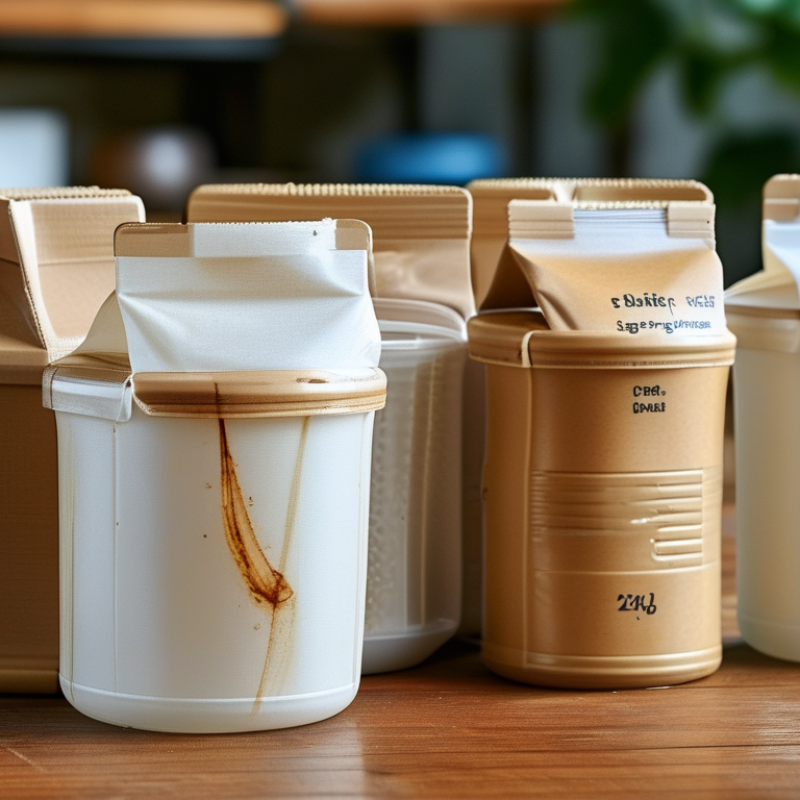
How to Choose the Right Packaging Plastic Pouch in 2026?
Start with the product, not the pouch shape. A dry snack needs moisture resistance and seal strength. Liquid products need leak control, puncture resistance, and stable filling performance. Oxygen-sensitive goods may require a high-barrier structure. Test the real product at its expected temperature, humidity, and transport duration. Laboratory results can look perfect. Distribution is less polite.
Protection must match actual risks. Measure drop impact, compression, pinholes, seal integrity, and oxygen transmission rate. The right barrier can prevent aroma loss, oxidation, or texture changes. The wrong one adds cost without improving safety. The OECD’s Global Plastics Outlook reports that packaging created about 40% of plastic waste in 2019. Material reduction matters, but thinner is not always better. A failed pouch can create more waste through damaged products and repeated shipments.
Tips: Ask for migration, seal-strength, and shelf-life test reports. Confirm filling-machine compatibility before ordering large quantities. Check whether the pouch can use recycled content without losing performance. Flexible Packaging Association research notes that flexible formats can use less material than many rigid alternatives, but results depend on design and product requirements. I would also test opening behavior with real users. A pouch that protects well but spills easily still needs reconsideration.
| Product Type | Typical Product Conditions | Primary Protection Requirements | Recommended Pouch Structure | Typical Barrier Target | Seal and Closure Requirements | Recommended Pouch Format | Key Verification Tests | 2026 Selection Priority |
|---|---|---|---|---|---|---|---|---|
| Dry Snacks and Cereals | Low moisture; may contain oils; sensitive to oxygen, aroma loss, crushing, and light. | Moisture control Oxygen control Aroma retention Light protection | Oriented polypropylene / barrier layer / polyethylene, or a recyclable high-barrier polyolefin structure where the recycling stream accepts it. | Water vapor transmission rate generally below 1.0 g/m²/day; oxygen transmission rate commonly below 1.0 cm³/m²/day for oxygen-sensitive products. | Wide heat-seal window, strong fin or side seals, resealable zipper for multi-use packs, and optional tear notch. | Stand-up pouch or flat pouch with gusset; clear or opaque depending on light sensitivity. | Seal strength, burst resistance, oxygen transmission, water vapor transmission, drop testing, and shelf-life validation. | Balance barrier performance with material simplification, pack weight, machinability, and recyclability claims supported by local systems. |
| Coffee and Roasted Beans | High aroma sensitivity; releases carbon dioxide after roasting; vulnerable to oxygen, moisture, and light. | Very high oxygen barrier Aroma retention Light barrier Gas release | High-barrier multilayer structure with a sealant layer compatible with the filling equipment; an aluminum-free high-barrier option may be selected when appropriate. | Oxygen transmission rate commonly below 0.1 cm³/m²/day for extended quality retention; final target depends on roast, pack size, and shelf life. | Hermetic heat seals, one-way degassing valve where required, zipper for repeated opening, and strong puncture resistance. | Stand-up pouch, side-gusset pouch, or block-bottom pouch. | Oxygen transmission, aroma retention, valve function, seal integrity, internal pressure behavior, and accelerated shelf-life testing. | Protect flavor first; validate the complete pouch system, including valve, zipper, sealant, and printing or coating layers. |
| Frozen Food and Ice Products | Stored at approximately −18°C or below; exposed to condensation, flexing, abrasion, and freezer-to-room-temperature handling. | Low-temperature flexibility Puncture resistance Moisture barrier Seal durability | Flexible polyethylene-rich structure or multilayer film designed for low-temperature impact and seal performance. | Water vapor transmission generally below 1.0 g/m²/day for products requiring strong moisture protection; oxygen target depends on fat and oxidation sensitivity. | Cold-flexible seals, contamination tolerance, rounded corners where useful, and tear resistance during opening. | Flat pouch, gusseted pouch, or stand-up pouch with reinforced bottom. | Cold-temperature seal strength, dart impact, puncture resistance, drop testing, flex-crack testing, and freezer storage simulation. | Prioritize durability after freezing and resistance to handling damage over maximum barrier if the product is not oxygen-sensitive. |
| Powders and Dry Mixes | Fine particles; may be dusty, hygroscopic, abrasive, or prone to caking and odor absorption. | Moisture control Dust containment Odor protection Easy dispensing | Polyethylene-based sealant film with a suitable barrier layer; use a stronger laminate when the powder is hygroscopic or oxygen-sensitive. | Water vapor transmission commonly below 1.0 g/m²/day for moisture-sensitive powders; lower targets may be needed for highly hygroscopic formulas. | Seal design should tolerate powder contamination; use a wide opening, tear notch, zipper, or measured dispensing feature as required. | Flat pouch, stand-up pouch, or gusseted pouch with a stable base. | Seal contamination testing, moisture uptake, caking evaluation, drop testing, leakage testing, and opening-force measurement. | Define the product’s moisture sensitivity and fill behavior before selecting film thickness or closure type. |
| Liquid and Semi-Liquid Foods | May be acidic, oily, viscous, or hot-filled; internal pressure and leakage risk are significant. | Leak prevention Chemical resistance Puncture resistance Thermal stability | Multilayer structure with a chemically resistant polyethylene sealant; select a retortable or hot-fill structure only when the process requires it. | Barrier target depends on formulation, oxygen sensitivity, filling temperature, and shelf-life objective; use product-specific validation rather than a universal value. | High-integrity seals, spout or fitment compatibility, tamper evidence where required, and controlled opening force. | Spouted stand-up pouch, shaped pouch, or flat pouch for single-use portions. | Leak testing, seal strength, creep resistance, hot-fill or retort simulation, chemical compatibility, and drop testing. | Confirm the filling temperature, sterilization process, viscosity, acidity, and headspace before finalizing the structure. |
| Pet Food and Animal Nutrition | Often contains fats and proteins; may generate odor; requires protection from oxygen, moisture, pests, and rough distribution. | Grease resistance Oxygen control Puncture resistance Odor containment | Durable multilayer pouch with a grease-resistant sealant; a recyclable mono-material option may be considered if the required barrier and strength are achieved. | Oxygen transmission commonly below 1.0 cm³/m²/day for fat-containing products; moisture target depends on the formulation and storage conditions. | Strong seals, large-format zipper or slider, reinforced handle area where needed, and tear-open feature for consumer convenience. | Stand-up pouch, gusseted pouch, or large-format pouch with carrying handle. | Seal strength, grease resistance, puncture and tear testing, drop testing, odor migration, and shelf-life validation. | Combine barrier protection with ergonomic handling, transport durability, and a realistic end-of-life pathway. |
| Personal Care and Household Liquids | May contain surfactants, alcohol, oils, solvents, fragrances, or aggressive ingredients; leakage and stress cracking are possible. | Chemical compatibility Leak resistance Fragrance retention Controlled dispensing | Polyethylene-based multilayer film or coextrusion selected through compatibility testing with the exact formulation. | Barrier requirements are formulation-specific; oxygen and aroma targets should be established through stability and migration testing. | Compatible spout, cap, or fitment; robust welds; tamper evidence; and a controlled dispensing or drip-resistant closure. | Spouted pouch, refill pouch, or shaped pouch. | Chemical compatibility, stress-crack resistance, leak testing, closure torque or opening force, drop testing, and migration assessment. | Never select the film from appearance alone; verify long-term contact with the actual formula at expected temperatures. |
| Medical, Hygiene, and Sterile Products | May require cleanliness, microbial protection, controlled opening, and traceability; some products undergo sterilization. | Sterile barrier Particulate control Tamper evidence Traceability | Validated medical-grade pouch structure with sealant and breathable or peelable components selected for the sterilization method. | Barrier values depend on product sensitivity and sterilization process; packaging must maintain integrity throughout the validated shelf life. | Controlled peel or tear opening, validated seal width, clear visual inspection area, and tamper-evident features where required. | Flat sterile-barrier pouch, header pouch, or shaped pouch. | Seal integrity, burst testing, dye penetration, microbial barrier evaluation, package aging, transport simulation, and sterilization validation. | Regulatory classification, cleanliness, validation documentation, and patient or user safety take priority over cost reduction. |
| Sustainable Packaging Conversion | Packaging objectives may include lower material use, mono-material design, recycled content, or improved recovery at end of life. | Material reduction Recyclability Verified claims Performance retention | Prefer the simplest structure that meets protection needs; evaluate mono-polyolefin, downgauged, or recycled-content options only after performance testing. | Match the barrier target to the product’s actual shelf-life requirement; avoid specifying excessive barrier that adds unnecessary material complexity. | Keep zipper, ink, adhesive, valve, spout, and other components compatible with the intended collection and recycling system where available. | Format selected according to product protection, logistics efficiency, consumer use, and local recovery infrastructure. | Life-cycle assessment, recyclability assessment, seal performance, shelf-life testing, transport testing, and claim substantiation. | Use evidence-based environmental claims and check the rules, collection systems, and labeling requirements of each target market. |
| Selection rule: Define the product first, identify the dominant risks, set measurable protection targets, confirm filling and sealing conditions, then validate the complete pouch through shelf-life, distribution, regulatory, and end-of-life testing. | ||||||||