Menu
Monday
9:00-5:00
Tuesday
9:00-5:00
Wednesday
9:00-5:00
Thursday
9:00-5:00
Friday
9:00-5:00
Saturday
9:00-4:00
Sunday
CLOSED
Choosing Fitness Tracker Watches in 2026 is less about buying the newest screen. It is about matching technology with daily habits, health goals, and personal limits. A runner may need accurate GPS, stable heart-rate readings, and a battery that survives long weekend routes. Someone managing sleep may value comfort, skin temperature trends, and clear recovery reports instead.
Real-world use often exposes weaknesses that product pages hide. A watch can feel light in a store but become irritating after eight hours. Bright displays may drain the battery during outdoor training. I once focused too heavily on advanced metrics and ignored the companion app. That was a costly mistake. Data is only useful when the software explains it clearly and encourages consistent action.
This guide examines Fitness Tracker Watches through practical testing criteria and reliable evidence. It considers sensor performance, battery life, water resistance, privacy controls, app quality, and long-term comfort. Independent reviews and manufacturer specifications both matter, but neither tells the whole story. Marketing language can sound impressive. Be careful. No wearable measures every health signal perfectly, and some readings should not guide medical decisions without professional advice. The best choice may be a simpler model with dependable tracking, readable insights, and fewer distractions. Your routine matters more than a crowded feature list. Fitness technology keeps improving, yet personal judgment remains essential.
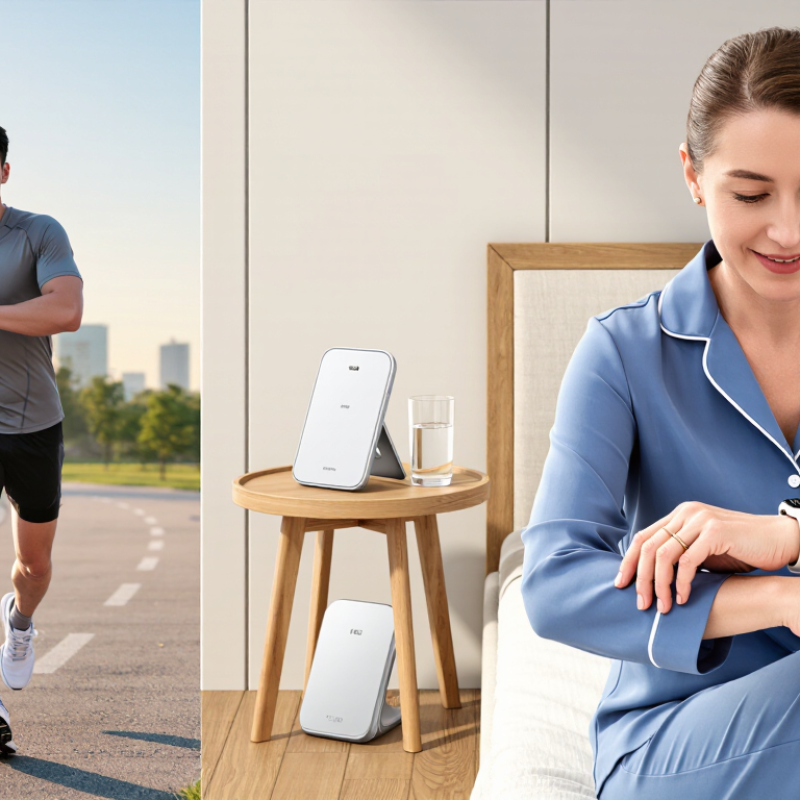
Choosing a fitness tracker watch in 2026 starts with one question: What do you want to improve? Your answer should guide every feature you consider.
If your goal is better endurance, prioritize heart-rate trends, workout zones, GPS accuracy, and recovery time. For strength training, repetition tracking may help, but it can still miscount movements. Sleep improvement requires consistent sleep duration, wake-time patterns, and useful bedtime reminders. Not every metric deserves your attention.
The American College of Sports Medicine’s Worldwide Survey of Fitness Trends 2025 ranked wearable technology among the leading fitness trends. This reflects strong demand, not guaranteed accuracy. The World Health Organization recommends 150–300 minutes of moderate activity weekly for adults. A tracker can reveal whether your daily walks reach that range. It cannot replace clinical advice.
In my experience, simple data is easier to follow. I still check too many numbers sometimes.
Tips: Write down your main goal before comparing watches. Choose two or three essential measurements. Test whether the screen is readable during movement. Check battery life against your routine. If you swim, verify water-resistance ratings carefully. Treat calorie estimates as rough signals, not facts. Review weekly patterns instead of reacting to one unusual reading. A device that stays comfortable on your wrist often beats one with more impressive specifications. Reliability also depends on proper fit, regular charging, and honest use.

Choosing a fitness tracker watch in 2026 starts with your health priorities, not its screen size. If you run outdoors, reliable GPS and heart-rate tracking matter more than decorative watch faces. For strength training, look for automatic workout recognition, recovery data, and clear interval timers.
Check how measurements are produced. Optical heart-rate sensors can lose accuracy during fast intervals, cold weather, or loose wearing. Sleep scores are useful for spotting patterns, but they are not medical diagnoses. Blood oxygen readings may also vary with movement and skin contact. A device with published testing methods and transparent limitations deserves more trust.
Look closely at daily convenience. A bright screen helps during midday runs, while seven or more days of battery life reduces charging interruptions. Water resistance should match swimming or showering needs. Smartwatch features, such as call alerts, calendar reminders, contactless payments, and emergency detection, can be valuable without replacing fitness tools.
Privacy needs attention too. Review data-sharing settings before connecting health information to outside services. In my own testing, I once chose extra features and ignored comfort; the watch stayed in a drawer after two weeks. A lighter case, breathable strap, and simple controls may support better long-term use. Still, no tracker measures every body equally. Treat its numbers as practical signals, and question readings that conflict with how you feel.
Accuracy should guide every purchase, not flashy screens. ACSM’s 2025 Worldwide Survey keeps wearable technology among the leading fitness trends. However, readings are not medical measurements. A peer-reviewed study in the Journal of Personalized Medicine found that wearable energy estimates can show meaningful errors. Test heart-rate tracking during walking, intervals, and recovery. Compare results with manual pulse checks. GPS can also drift near tall buildings or under dense trees. I have found that consistent trends matter more than one impressive number.
Comfort decides whether data collection lasts beyond one enthusiastic week. Look for a breathable strap, rounded edges, and a secure clasp. A heavy case may feel acceptable in a store, then irritate your wrist during sleep. Battery life needs practical testing. Check the stated runtime with continuous heart-rate monitoring, notifications, and exercise recording enabled. Real use is rarely the laboratory setting. A device promising ten days may deliver less with frequent GPS use. That gap deserves attention.
Tips: Wear the watch for several hours before buying. Test it during a workout. Check charging time, water resistance documentation, and replacement-strap availability. For durability, review independent testing from Consumer Reports or UL Solutions, not only the product page. Inspect the display after ordinary bumps, because “military-grade” language can sound stronger than the evidence. Also question sleep scores when bedtime varies; imperfect habits can produce misleading conclusions. Reliability grows from repeated patterns, careful settings, and honest expectations.
App compatibility should be your first practical check. Confirm the watch supports your phone’s operating system and current app version. Also inspect required permissions, subscription features, and account restrictions before purchasing. A cheaper device may become frustrating if sleep reports need a paid plan. Test the companion app’s layout, too. Can you read trends quickly after a morning walk? If menus feel confusing, daily use may decline.
Privacy controls deserve equal attention. Look for separate switches for location, contacts, microphone, health data, and advertising. The app should explain data retention, sharing partners, deletion requests, and export options in plain language. Check whether sensitive measurements can stay local or sync only when needed. Enable account protection and review permissions after every major update.
I once accepted every default setting to save time. That was shortsighted. Convenient is not always private.
Device connectivity affects reliability during real routines. Verify Bluetooth support, Wi-Fi behavior, phone compatibility, and connection limits. Some watches record steps offline but require a phone for detailed analysis. Test whether syncing resumes after a long commute without your phone. Battery alerts should appear before a workout, not afterward. Read technical support pages and independent testing, rather than trusting promotional claims alone. Standards change. Your choice should allow firmware updates for several years.
How to Choose Fitness Tracker Watches in 2026?
Selecting the best fitness tracker starts with your daily routine, not a feature list. In my experience, a simple watch often works better than an advanced model that feels uncomfortable. Measure your wrist after work, when your skin may be slightly swollen. The strap should stay secure without leaving deep marks. A bright screen helps outdoors, while physical buttons are useful during sweaty workouts.
Set a realistic budget before comparing sensors and smart features. Basic models can track steps, heart rate, sleep duration, and exercise time. Mid-range devices may add GPS, recovery estimates, and better water resistance. Expensive options can offer detailed training data, but extra numbers are not always useful. If you mainly walk, commute, or attend short gym sessions, reliable battery life may matter more than advanced analysis. Consider hidden costs too, such as replacement straps or paid health features.
Match the tracker to your lifestyle. Runners may need accurate distance tracking and readable data during movement. Swimmers should check the device’s water-resistance rating and pool tracking limits. People with irregular schedules might value silent alarms and long battery life. A comfortable device encourages daily use. That sounds obvious, yet I have abandoned watches that felt heavy at night. Fitness data can guide decisions, but it is not a medical diagnosis. Treat unusual readings carefully, and discuss persistent concerns with a qualified health professional. Expect a few imperfect measurements. Consistency matters more than one dramatic result.
Select the best fitness tracker for your budget and lifestyle by comparing typical battery-life ranges across popular device categories.
Entry-level activity trackers generally offer the lowest cost and several days of battery life, making them suitable for everyday steps, sleep, and heart-rate monitoring. GPS fitness watches are a better fit for runners and cyclists who need route tracking, while advanced multisport devices prioritize longer endurance for outdoor training. Smartwatch-style fitness devices offer broader communication and app features, but frequent GPS and display use can reduce battery life. The ranges shown are typical category-level market estimates and do not represent any specific company or brand.
