Choosing the right Vanity sink can change how your bathroom looks, functions, and feels each morning. It must suit the cabinet, plumbing, available space, and daily habits. A compact ceramic basin may work beautifully in a narrow guest bathroom. A deeper sink may better serve a busy family bathroom, especially near a mirror that gathers water spots.
Size deserves careful attention. Measure the vanity opening, countertop depth, wall clearance, and door swing before shopping. Leave enough room for faucets, soap, and comfortable hand movement. The sink should not dominate the room. It should feel properly placed.
Material matters, too. Vitreous china offers a smooth, familiar surface that is usually easy to clean. Stone and solid-surface options can create a refined appearance, but they may require stronger support and more careful maintenance. Read the manufacturer’s installation instructions, and confirm local plumbing requirements with a qualified professional. Small differences in drain position or overflow design can create expensive problems later.
There is no perfect sink.
Consider cleaning habits, water pressure, household size, and the people using the room. An undermount design creates a clean countertop edge, while a vessel sink adds height and visual character. However, a taller basin may feel awkward for children or shorter users. Style can influence the decision, but practical comfort should lead it. Even experienced renovators sometimes underestimate splash distance, storage needs, or countertop thickness. Reviewing these details honestly helps you choose a Vanity sink that remains useful after the newness fades.
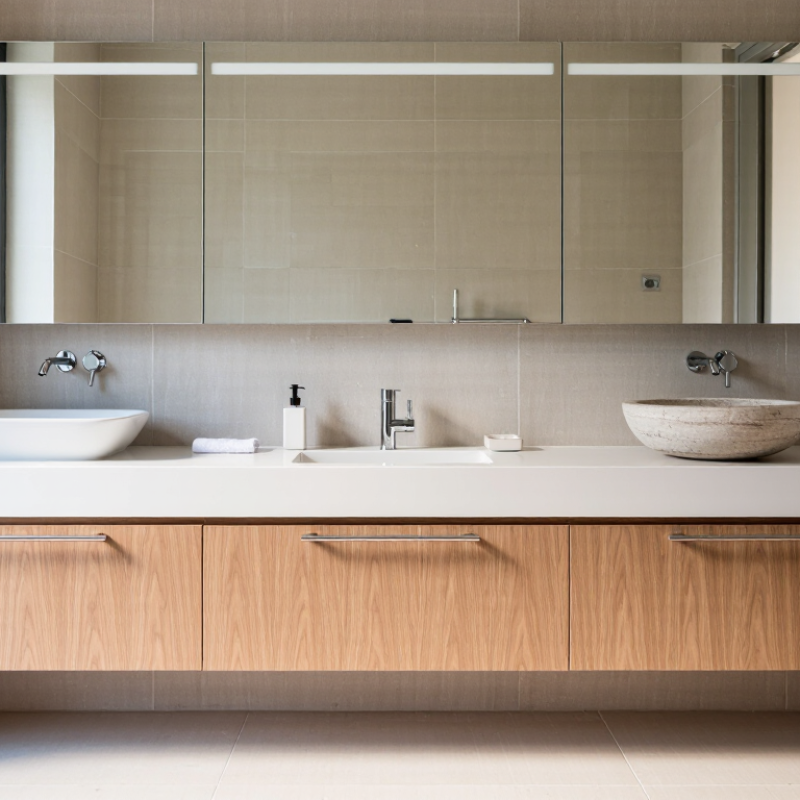
How to Choose the Best Vanity Sink for Your Bathroom?
Define Your Bathroom Vanity Sink Needs and Available Space
Choosing a vanity sink starts with your daily routine, not its appearance. Count the people using the bathroom each morning. A single sink may suit one user, while a double sink can reduce conflict in a shared space. Consider whether you need a deep basin for handwashing, hair washing, or cleaning small items. A shallow basin looks elegant, but it may cause more splashing.
Measure the available space carefully. Record the wall width, vanity depth, door swing, and nearby toilet clearance. Leave enough room to stand comfortably in front of the cabinet. In compact bathrooms, a wall-mounted or narrow sink may improve movement. Check the plumbing position too. Moving pipes can increase installation time and cost. I once focused too much on basin style and overlooked drawer clearance. That mistake made the bathroom feel smaller than expected.
Tips: Use cardboard to mark the sink and vanity footprint on the floor. Walk around it for one day. This simple test reveals awkward corners and blocked pathways. Also, compare the basin’s inner dimensions, not only its outer size. A large rim can reduce useful washing space. Choose surfaces that are easy to clean, especially around the faucet base. Water collects there. Some planning decisions may need adjustment after installation conditions become clear.
| Planning Dimension | Recommended Data or Range | Why It Matters | Practical Selection Tip |
|---|---|---|---|
| Available Vanity Width | Common vanity widths are approximately 24, 30, 36, 48, 60, and 72 inches. | The vanity width determines whether one or two sinks can fit comfortably. | Measure the wall from edge to edge and leave room for trim, doors, and adjacent fixtures. |
| Available Vanity Depth | Standard vanity depth is about 21 inches; shallow models are commonly 18 to 20 inches. | Depth affects walking space, door clearance, and the usable countertop area. | Choose a shallow vanity for narrow bathrooms, but confirm that the sink and drain assembly will fit. |
| Single-Sink Vanity | Usually works well in vanities from approximately 24 to 48 inches wide. | A single basin preserves countertop space and suits most powder rooms and compact bathrooms. | Prioritize basin position, faucet reach, and storage over adding a second sink. |
| Double-Sink Vanity | A width of about 60 inches or more is typically preferred for two sinks. | Two basins require sufficient bowl, faucet, counter, and plumbing space. | Check the distance between bowl centers and verify that existing water and drain lines can be adapted. |
| Basin Width and Length | Common bathroom sink bowls are approximately 16 to 24 inches wide and 14 to 20 inches front-to-back. | Basin size affects washing comfort, splash control, and the countertop area remaining around it. | Select a bowl large enough for daily use without reducing usable counter space excessively. |
| Basin Depth | Typical bathroom basins are approximately 5 to 8 inches deep. | A deeper bowl can reduce splashing, while a shallower bowl may be easier to access. | Match basin depth with user comfort, faucet height, cabinet clearance, and plumbing capacity. |
| Installation Style | Common options include drop-in, undermount, vessel, wall-mounted, and integrated sinks. | Installation style affects cleaning, countertop fabrication, overall height, and replacement difficulty. | Choose undermount or integrated designs for easier countertop wiping; choose vessel designs only after checking finished height. |
| Finished Counter Height | Bathroom vanity counters are commonly installed around 32 to 36 inches above the finished floor. | Sink type changes the final rim height and affects ergonomic comfort. | For a vessel sink, consider a lower cabinet or countertop so the finished rim is not uncomfortably high. |
| Front Clearance | A clear floor area of roughly 21 inches in front of the vanity is commonly used for basic access; more space improves comfort. | Insufficient clearance can make cabinet doors, drawers, and bathroom movement difficult. | Open vanity doors and drawers during measurement to identify possible conflicts with toilets, walls, and shower doors. |
| Side Clearance | Leave practical space beside the sink for elbows, cleaning, and nearby fixtures; local codes may require specific clearances. | A sink placed too close to a wall or cabinet can limit use and complicate cleaning. | Confirm local building requirements before finalizing the sink centerline and vanity location. |
| Faucet Configuration | Common configurations include single-hole, centerset, widespread, and wall-mounted faucets. | The faucet hole pattern must match the sink or countertop drilling layout. | Measure the existing faucet-hole spacing before ordering a replacement sink or countertop. |
| Drain and Plumbing Position | The drain opening, supply lines, P-trap, and cabinet interior must align with the selected sink and vanity. | Misalignment may require pipe relocation, cabinet modification, or additional installation work. | Record the drain centerline and supply-line locations before selecting the cabinet and basin. |
| Storage Requirement | Choose between drawers, doors, open shelving, or a combination based on daily bathroom storage needs. | The sink and plumbing occupy cabinet space, especially beneath the basin. | Use drawers with a plumbing cutout or adjustable shelves when maximizing storage is important. |
| Cleaning and Maintenance | Smooth, nonporous surfaces and fewer seams generally require less daily cleaning. | Edges, joints, overflow openings, and exposed mounting areas can collect water and residue. | Consider an integrated or undermount basin when easy countertop cleaning is a priority. |
| Best Match by Bathroom Size | Powder room: compact single sink; family bathroom: wider single or double sink; narrow bathroom: shallow or wall-mounted vanity. | The best sink balances available floor area, user count, storage, and installation constraints. | Measure first, define the number of users, then compare sink dimensions and installation requirements. |