2026 How to Choose the Best Judo Tatami Mat for Your Needs?
Choosing the right Judo Tatami Mat is crucial for both beginners and experienced practitioners. The global martial arts mat market is expected to reach $300 million by 2025, reflecting the growing interest in judo and other martial arts. A good mat not only enhances performance but also reduces the risk of injuries during training.
Judo Tatami Mats come in various designs and materials. Each type serves a specific purpose, and understanding these differences is key. For example, high-density foam mats provide better shock absorption and safety, while traditional judo mats offer authenticity. According to industry experts, selecting a mat that meets your training style and needs can significantly impact your judo experience.
While some may overlook their importance, the right Judo Tatami Mat affects practice outcomes. Reflections on mat selection often reveal mistakes based on budget constraints or superficial features. Focusing on quality and functionality is essential for safe and effective training in judo.
Understanding Different Types of Judo Tatami Mats Available in 2026
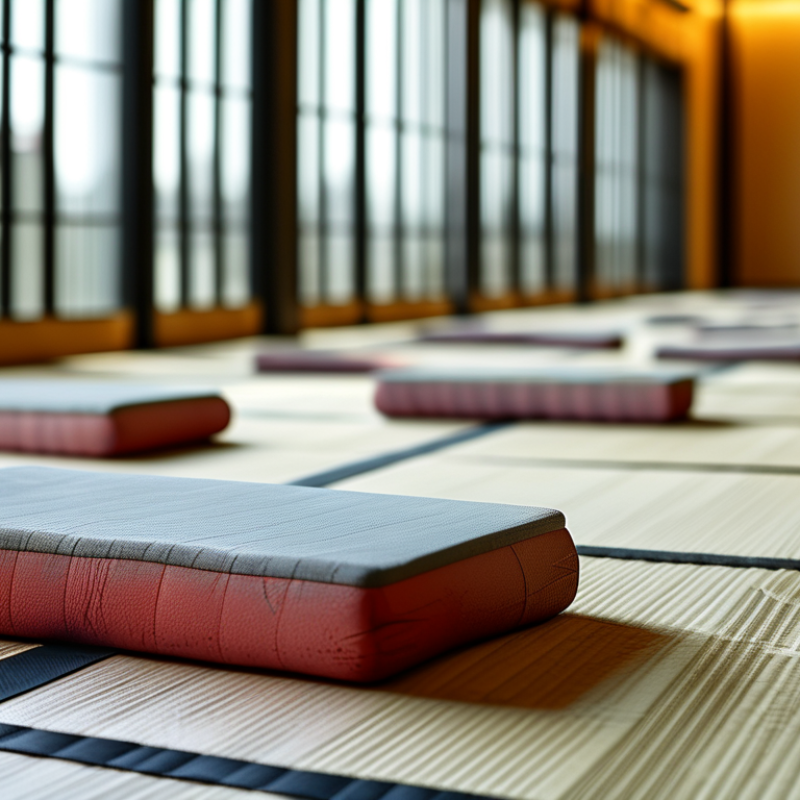
When selecting a judo tatami mat in 2026, understanding the various types available is crucial. There are multiple options, each suited for different training environments. Many mats feature a vinyl top layer. This surface offers durability and easy cleaning. The core often uses high-density foam, providing cushioning for falls and rolls. Some mats are interlocking, allowing for easy setup and storage. This design is perfect for schools or home use.
Another option is tatami mats with a traditional straw core. They offer a unique feel that some practitioners prefer. Yet, these require more maintenance and special care. Consider the thickness of the mat as well. Thicker mats provide better shock absorption. However, they may be heavier and harder to move.
Think about the mat's surface texture too. A more textured surface offers better grip, which is important in judo. However, smoother surfaces can be easier for transitions. Keep in mind your training intensity and environment. Some mats may not be suitable for outdoor use, especially in extreme temperatures. Each choice has its pros and cons. Reflecting on your specific needs will help you find the best fit.
Comparison of Different Types of Judo Tatami Mats in 2026
Key Factors to Consider When Buying Judo Tatami Mats
When selecting the best judo tatami mat, several key factors come into play. The thickness of the mat is crucial. Mats are available in various thicknesses, typically ranging from 4 to 6 cm. Thicker mats provide better cushioning and reduce the risk of injuries during falls. Ensure that the thickness suits the level of practice, whether for training or competition.
Another important consideration is the mat's surface material. Look for mats made from durable, non-slip materials. This prevents the risk of slipping during intense training sessions. The surface should also be easy to clean. Maintaining hygiene is essential for safety, especially in a sport that involves close contact.
Tips: Always check the density of the foam. Denser foam offers better shock absorption, which is vital in judo. Consider the size of the mats as well. Standard sizes are designed to interlock, ensuring a stable training area. Do not ignore the importance of proper installation. Poor installation can lead to accidents or injuries.
Additionally, consider the weight of the mats. Lightweight mats are easier to move and store. However, heavier mats tend to be more stable during use. Finding the right balance is essential. Many beginners overlook this factor, but practicality matters in long-term use.
Evaluating the Durability and Safety Features of Tatami Mats
Choosing the right tatami mat for judo is crucial for safety and performance. Durability is one key feature. A high-quality mat should withstand repeated impacts and heavy use. Look for mats made from materials that can endure wear and tear. Softer, yet resilient options help absorb falls. Check for thickness; mats should be at least 4 cm thick for effective cushioning.
Safety features are equally important. Non-slip surfaces can prevent accidents during practice. Consider mats that have rounded edges to reduce injury risks. If possible, inspect the mat's surface texture in person. A rougher texture can provide better grip, essential for throws and holds.
Tips: Always review user feedback on durability. Testing the mat before buying can help. Don’t hesitate to ask experts for advice regarding the suitability for your level of practice. Remember, a good mat can enhance your training experience while protecting you from injury.
2026 How to Choose the Best Judo Tatami Mat for Your Needs?
| Mat Type | Thickness (cm) | Durability Rating | Safety Features | Price Range (USD) |
| EVA Foam | 4 | High | Anti-slip, Shock Absorbing | $80 - $120 |
| Tatami Mat | 5 | Medium | Eco-Friendly, Non-Toxic | $60 - $100 |
| PVC Vinyl | 3 | Low | Water Resistant, Easy to Clean | $50 - $80 |
| Judo Mat | 6 | Very High | High Density, Anti-Skid | $150 - $250 |
| Interlocking Mats | 4 | Medium | Flexible, Easy Assembly | $70 - $110 |
Price Comparison: Finding Affordable Judo Tatami Mats in 2026
Finding the right judo tatami mat doesn't have to break the bank. In 2026, many affordable options are available. It's important to consider your specific needs, such as mat thickness and texture. Mats can vary widely in price based on these features. For example, multi-layered mats offer more cushioning but can be pricier compared to thinner models.
When searching for affordable mats, shop around online and compare prices. Look for sales or seasonal discounts. Some retailers may offer bulk purchasing options, which can reduce costs significantly. Additionally, consider examining user reviews. Feedback from fellow judo practitioners can highlight both advantages and shortcomings of different mats.
Quality is essential. A low price can sometimes imply lower durability. Some cheaper mats wear out quickly, risking injury or discomfort. Invest time in research. Not all mats labeled 'affordable' are worth it. Balancing quality and cost will lead to better choices. A well-chosen mat can enhance training sessions and provide long-term benefits.
Maintenance Tips for Prolonging the Life of Your Judo Mats
Maintaining your judo tatami mats is essential for their longevity and performance. Regular cleaning is a key aspect. Use a vacuum cleaner or a soft broom to remove dust and debris. For more thorough cleaning, a mild soap and water solution can do the trick. Avoid harsh chemicals, as they can degrade the mat material over time. Ensure that you dry the mats properly after cleaning, as moisture can lead to mold growth.
Storage is another crucial factor. When not in use, store the mats in a cool, dry place. Keep them flat to avoid creasing. Avoid placing heavy items on them, as this can cause permanent damage. Periodically check for any wear and tear. Small tears or cuts can be fixed with specialized repair kits, but ignoring them can lead to bigger problems.
Consider rotating your mats periodically to ensure even wear. High-traffic areas may need more attention. Remember that even with care, some wear is natural. Reflect on how you use your mats. Are you being gentle, or are you pushing them to their limits? This awareness can help enhance their lifespan significantly.