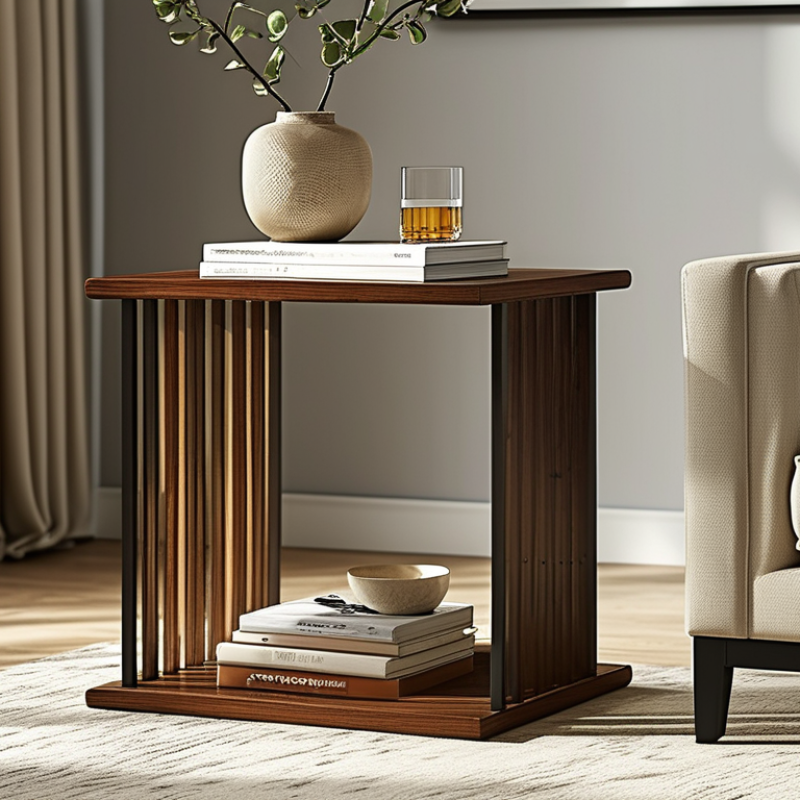
Top Tips for Choosing the Perfect Side Table for Your Space?
Choosing the right Side Table can transform your living space. A side table is not just a functional piece; it’s also a key element of your decor. The perfect side table complements your existing furniture. It should enhance your room's aesthetic while providing practical utility.
When selecting a side table, consider your style. Are you drawn to modern lines or vintage charm? Dimensions matter; a table too large may overwhelm the space, while one too small may get lost in the room. Materials also play a vital role. Wood, metal, or glass can each convey a different mood.
Reflect on your needs. Will the side table hold drinks, books, or decorative items? Think about the layout. Sometimes, what seems appealing may not fit well in your space. Experiment with placements. This will help you visualize what works best before making a final decision. Remember, the right side table brings harmony and function to your home.
Understanding the Purpose of a Side Table in Your Space
Choosing the right side table can enhance your living space significantly. It's essential to understand its purpose before making a selection. A side table serves multiple roles, from holding drinks to displaying decorative items. This versatility means the table should complement your lifestyle. If you often entertain, a sturdy, larger table may be more suitable.
Consider where the side table will be placed. It should be easily accessible, yet not obstructive. Measure the space to avoid overcrowding. A table that is too large can overwhelm a small area, while a tiny one may feel insignificant. Think about the height as well. Ideally, it should be level with your seating for convenience.
Reflect on your personal style as well. A side table can express your tastes—whether minimalist, rustic, or modern. Test how different materials, colors, and shapes look within your decor. Remember to balance aesthetics with function. An item that looks good may not serve its purpose well. Embrace imperfections. Sometimes, a table that shows some wear can add character to your home.
Assessing Your Space: Size and Placement Considerations
When assessing your space for a side table, size is crucial. A common mistake is choosing a table that overwhelms the area. According to a 2022 interior design report, 75% of homeowners prefer tables that complement their room's proportions. A coffee table, for example, should typically be 1 to 2 inches lower than your sofa's seat height.
Consider placement as well. Many people place tables too far from seating, which can limit functionality. Research suggests that a distance of 16 to 18 inches between the sofa and table enhances accessibility and use. A cluttered space can feel chaotic. Therefore, leaving enough room around your side table is essential. A good rule of thumb is to ensure at least 24 inches of walkway space around the table. This helps create a more fluid and inviting environment.
Lastly, think about how the side table integrates with your existing decor. If the room feels disjointed, the side table will only amplify that feeling. A table should enhance the space, not detract from it. Balancing aesthetics with functional needs requires careful thought and reflection. Engaging with your space on a personal level can ultimately lead to a more satisfying choice.
Top Tips for Choosing the Perfect Side Table for Your Space
| Dimension | Description | Considerations |
| Height | Ensure it aligns with the adjacent seating for functionality. | Standard height is 24-30 inches. |
| Width | Must fit comfortably in your space without overcrowding. | Aim for about 12-24 inches wide. |
| Shape | Choose a shape that complements your furniture layout. | Round tables can soften corners; square fits snugly in tight spaces. |
| Material | Should match or contrast nicely with existing decor. | Options include wood, metal, glass, or composite. |
| Style | Reflects your personal taste; be it modern, rustic, or vintage. | Choose what feels right for your space. |
Choosing the Right Style: Matching with Existing Decor
When selecting a side table, pay close attention to how it complements your existing decor. It’s essential to choose a style that resonates with your current aesthetic. According to a recent survey from the Interior Design Society, 72% of homeowners prioritize cohesion in their living spaces. This statistic highlights the importance of ensuring that your side table enhances rather than detracts from your interior design.
Consider the materials and finishes of your decor. If your space features warm tones and natural materials, opt for a wooden side table. A sleek metal option, on the other hand, may be more fitting for a modern, industrial look. Decor professionals suggest that mixing different textures can create an inviting atmosphere. However, tread carefully. Too many contrasting styles can lead to visual clutter. The key is to achieve a balance where all elements feel harmonized.
Color also plays a vital role in selecting a side table. Research indicates that color can influence mood and perception. Neutral colors often provide a calming effect, while bold hues can invigorate a room. Be prepared to tweak your choices. Sometimes, a side table that looked perfect online may not fit well once placed in the room. It’s crucial to visualize how your selection interacts with other colors and patterns within your decor. Experimentation can lead to delightful surprises, but don't shy away from reassessing your choices.
Material Matters: Selecting Durable and Aesthetic Options
When selecting a side table, material plays a crucial role in both durability and aesthetics. Consider wood, metal, glass, or even concrete. A survey by the American Home Furnishings Alliance reveals that 70% of consumers prioritize durability in furniture selection. Opting for hardwood like oak or maple can ensure longevity. These materials resist wear and tear effectively, making them a wise investment over time.
Another popular option is metal. It offers a sleek, modern look while providing solid support. Aluminum and stainless steel are lightweight, rust-resistant, and suitable for various design styles. According to a report from Market Research Future, the global metal furniture market is projected to grow by 4.5% annually, reflecting its increasing popularity and versatility.
Glass, while elegant, may require more upkeep. Regular cleaning is necessary to avoid scratches. Concrete, on the other hand, is trendy but can be heavy and challenging to move. These factors need careful consideration. Combining style with practicality can significantly enhance your space. Remember that the right side table should complement your existing decor while serving its purpose effectively.
Functional Features: Storage and Versatility in Side Tables
When selecting a side table, consider its functional features, especially storage and versatility. Side tables often serve multiple purposes beyond holding lamps or drinks. A table with drawers can help keep clutter at bay while having an open shelf may provide additional display space for books or decorative items. Think about how often you had to search for things. Adding a table with storage could solve that problem.
Versatility is another important aspect. Look for designs that can adapt to different needs. A collapsible side table can be moved around easily. It can serve as extra seating during gatherings or as a temporary workspace. This flexibility can make a significant difference in smaller spaces. Sometimes, having options forces a fresh perspective on your room layout.
Not all side tables need to match existing furniture. Mixing styles can add character. However, make sure the table fits your flow. A bulky piece can disrupt the balance. It's essential to reflect on how the table aligns with your overall aesthetic. Each choice should enhance your space while also making it more functional. Think carefully about what works best for your lifestyle.