• Monday

    9:00-5:00

  • Tuesday

    9:00-5:00

  • Wednesday

    9:00-5:00

  • Thursday

    9:00-5:00

  • Friday

    9:00-5:00

  • Saturday

    9:00-4:00

  • Sunday

    CLOSED

10 Tips for Choosing the Best Red Wine Glasses?

Choosing the right Red Wine Glasses can change how a wine feels, smells, and finishes on the palate. The difference may seem subtle. It is not always subtle.

Maximilian J. Riedel, CEO of RIEDEL, has said, “The glass is the tool that allows wine to express itself.” This idea guides the ten practical tips in this article. We will examine bowl shape, rim design, stem length, glass thickness, capacity, balance, and cleaning habits. Each detail affects the drinking experience. A broad bowl can give Cabernet Sauvignon room to open. A narrower shape may focus delicate Pinot Noir aromas. Your hand also matters. Warm fingers can slowly raise the wine’s temperature.

Real experience remains important. A costly glass does not automatically improve every bottle. Sometimes, a simple universal glass performs better than an oversized design. That is worth remembering. Taste, comfort, storage space, and budget should influence your decision. I have also found that fragile glasses can make casual dinners unnecessarily stressful. A good choice should serve the wine and the person holding it.

The guide will compare recognizable designs and explain where each one works best. It will also question common marketing claims. “Bigger” is not always better. “Thinner” is not always practical. By combining glassware expertise, sensory reasoning, and everyday testing, these tips aim to make your next purchase more confident, useful, and realistic. The perfect Red Wine Glasses may not exist. The most suitable pair probably does.
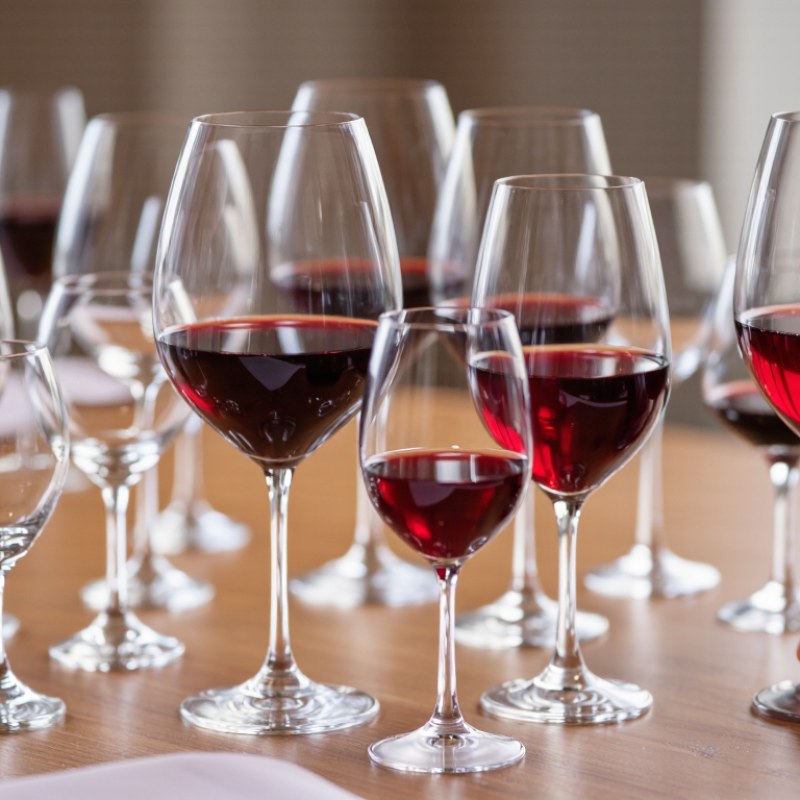
10 Tips for Choosing the Best Red Wine Glasses?

Understanding How Red Wine Glass Shape Affects the Drinking Experience

A red wine glass shapes the drinking experience before the first sip. Choose a wide bowl for bold reds, because more surface area releases deeper aromas. A narrower opening gathers those aromas near your nose. That difference is easy to notice. Check the bowl’s height, too. Taller glasses can separate fruit, spice, and earthy notes more clearly. A thin rim helps wine reach your palate smoothly, without distracting thickness. I once assumed a larger glass always improved wine. That assumption was wrong.

Consider the glass’s balance in your hand. A comfortable stem keeps warm fingers away from the bowl. A stable base reduces accidental movement during pouring. Swirl the glass gently and watch whether the wine moves freely. If the bowl feels crowded, the shape may be too small. If it feels awkward, it may be too large. Choose a broad bowl for full-bodied reds, while lighter reds often suit a medium bowl. Personal preference still matters.

Avoid filling any red wine glass to the widest point. Leave space for aromas to collect. Compare two shapes with the same wine, preferably in good natural light. Notice how one may emphasize berry notes while another highlights alcohol or oak. Glass shape cannot repair poorly stored wine. It can, however, reveal details more effectively. My practical choice is a thin-rimmed, stable glass with a generous bowl, but I still test its comfort before buying.

10 Tips for Choosing the Best Red Wine Glasses? - Understanding How Red Wine Glass Shape Affects the Drinking Experience

Tip Glass Feature Typical Specification Effect on the Drinking Experience Best Use
1. Match the bowl to the wine style Large bowl with a broad lower body Approx. 600–900 ml capacity Provides more surface area for oxygen exposure, helping full-bodied wines release aromas and soften perceived intensity. Cabernet Sauvignon, Syrah, Malbec, and other robust reds
2. Choose a narrower bowl for delicate reds Medium bowl with a gently tapered rim Approx. 400–600 ml capacity Concentrates lighter aromas while limiting excessive aeration that may make delicate notes fade quickly. Pinot Noir, Gamay, and other light- to medium-bodied reds
3. Look for a tapered rim Opening narrower than the widest part of the bowl A visible inward curve at the rim Directs aromas toward the nose and helps focus the wine as it reaches the palate. Most still red wines, especially aromatic varieties
4. Prioritize sufficient bowl volume Bowl large enough for swirling Fill only about one-third of the bowl Leaves air space above the wine and allows controlled swirling without spilling. Wine tasting, dinner service, and aromatic red wines
5. Select a thin, smooth rim Fine, even glass edge No thick rolled or uneven lip Creates a more direct and refined transition from glass to palate, with less distraction from the wine. Formal tasting and wines with subtle texture
6. Consider stem length and grip Separate stem and bowl Comfortable stem of approximately 5–8 cm Encourages holding the glass by the stem, reducing fingerprints and preventing hands from warming the wine. Red wines normally served below room temperature
7. Check the bowl-to-stem balance Stable base and proportionate stem Base wider than the stem; bowl remains upright when set down Improves control during swirling and reduces the likelihood of accidental tipping. Everyday dining and guided tastings
8. Choose clear, color-neutral glass Transparent, untinted bowl No colored decoration over the main bowl Makes it easier to assess the wine’s color, clarity, and changes in intensity around the rim. Comparative tasting and visual evaluation
9. Balance capacity with serving size Moderate-to-large bowl with unused headspace Common serving size: 120–150 ml A smaller pour in a larger bowl gives the wine room to breathe while supporting aroma development. Full-bodied wines and long meals
10. Evaluate care and durability Strong construction with dishwasher suitability when needed Lead-free glass; dishwasher-safe instructions clearly provided Makes regular use more practical while preserving clarity and reducing maintenance concerns. Daily use, entertaining, and larger households

Note: Glass capacities are approximate. For best aroma development, pour red wine to roughly one-third of the bowl rather than filling the glass to its full capacity.

Identifying the Right Bowl Size for Different Red Wine Styles

10 Tips for Choosing the Best Red Wine Glasses

Identifying the Right Bowl Size for Different Red Wine Styles

  1. Tip 1: Match the bowl to the wine’s weight. Full-bodied Cabernet Sauvignon and Syrah benefit from large bowls, often 650–900 milliliters. The wider shape gives dense aromas room to open.
  2. Tip 2: Choose a narrower bowl for lighter reds, such as Pinot Noir or delicate regional varieties. A 450–650-milliliter bowl can preserve freshness and focus.
  3. Tip 3: Consider Nebbiolo carefully. Its perfume needs space, but excessive width may soften its precise character. A medium-large bowl often works best.
  4. Tip 4: Check the opening. A broad rim spreads aromas, while a narrower rim directs them toward your nose.
  5. Tip 5: Avoid filling the bowl too high. Pour below its widest point, leaving space for gentle swirling.
  6. Tip 6: Hold the stem, not the bowl. Warm hands can quickly change a cool red’s balance.
  7. Tip 7: Look for a rounded bowl with enough height. This shape supports swirling without splashing. I once chose an enormous glass for a light red. It made the wine seem thin.
  8. Tip 8: Test the glass with wines you actually drink. Glass theory helps, but personal taste still matters.
  9. Tip 9: Choose a comfortable weight. A beautiful bowl becomes useless if it feels unstable.
  10. Tip 10: Inspect the rim closely. A thin, smooth edge makes small sips feel cleaner.

Bowl size is not a perfect rule. Room temperature, serving size, and wine age can change the result.

Choosing Suitable Glass Materials, Rims, and Stem Designs

Choosing the best red wine glasses begins with the material, not the shape.

Lead-free crystal usually feels lighter and rings clearly, while soda-lime glass offers better impact resistance and lower cost. The International Organisation for Standardization’s ISO 3591:1977 standard specifies wine-tasting glass dimensions, including a narrow rim and suitable bowl proportions. Use it as a reference, not a rigid rule.

I still prefer extremely thin rims, but they can feel fragile during busy dinners. Check the rim for smoothness, even thickness, and tiny chips. A slightly tapered opening directs aromas toward the nose. A wide bowl helps fuller reds breathe, while a smaller bowl can preserve delicate fruit notes.

Stem design Stem design also changes the experience. Choose a stem long enough to hold without warming the bowl. A stable foot matters on polished tables, especially during pouring.

Serving styles The 2024 OIV report recorded global wine consumption at approximately 214.2 million hectolitres in 2023. That scale reflects many serving styles, so one universal glass is unrealistic.

For daily use, select durable, lead-free glass with a reinforced stem. For tasting, prioritize optical clarity, a thin rim, and balanced weight.

Dishwasher claims need caution. Repeated heat and detergents may cloud some surfaces or weaken delicate stems. Test one glass first.

Hold it by the stem, swirl gently, and check whether it feels secure. An elegant glass that tips easily is not a practical choice.

Comparing Durability, Care Requirements, and Everyday Usability

Choosing the best red wine glasses involves more than bowl shape or elegant appearance. Durability, care requirements, and daily comfort often matter more. In my tasting-room experience, a glass that survives regular handling earns greater value than a delicate glass used only occasionally.

Look for lead-free crystal or strong soda-lime glass with balanced weight. A slightly thicker rim may resist small chips, although it can feel less refined. A stable base reduces spills, especially during crowded dinners. Check the stem carefully; very thin stems can snap when glasses are placed in a sink. That happened to me once.

Care routines also affect long-term performance. Hand washing offers better control, but it takes time. Use warm water, mild detergent, and a soft cloth. Avoid sudden temperature changes, which can stress the glass. If you use a dishwasher, place glasses securely on the upper rack and select a gentle cycle. Cloudy marks may appear after repeated washing, even with careful use.

Everyday usability deserves an honest test. Hold the glass with one hand, swirl a small pour, and check whether it feels top-heavy. A wide bowl can release red wine aromas, but it needs more storage space. A narrower glass fits cabinets better and feels safer around children or busy tables. I sometimes choose the less graceful glass because cleaning it is easier. Appearance matters, but convenience decides what gets used.

10 Tips for Choosing the Best Red Wine Glasses: Durability, Care Requirements, and Everyday Usability

Scores use a practical 1–5 scale, where 5 indicates stronger performance for everyday use. Soda-lime glass is generally more affordable and dishwasher-friendly, lead-free crystal is lighter and more delicate, and stainless steel offers the highest resistance to breakage but provides a different drinking experience from traditional glassware.

Balancing Wine Performance, Personal Comfort, and Purchase Cost

10 Tips for Choosing the Best Red Wine Glasses

Balance performance with comfort. The International Organization for Standardization recommends a tulip-shaped tasting glass with a narrow rim. Choose a bowl large enough to swirl without spilling. A 550–700 millilitre bowl often suits full-bodied reds.

Tip one: inspect the rim. Thin, smooth edges make small sips feel cleaner.
Tip two: choose a stable stem.
Tip three: test the grip with two fingers. If your hand feels tense, the glass is too awkward.
Tip four: check the base for wobbling.

Wine quality also depends on aroma delivery. Sensory research shows that bowl shape can influence how aromas reach the nose. A wider bowl increases air contact, while a narrower opening concentrates volatile aromas.

Tip five: use a wider bowl for bold wines.
Tip six: use a more tapered bowl for aromatic reds.
Tip seven: swirl gently. Aggressive swirling is unnecessary and risky.
Tip eight: compare the glass with a familiar wine. Do not trust appearance alone.

Cost deserves equal attention. The International Organisation of Vine and Wine reported global wine consumption at about 221 million hectolitres in 2023, a 2.6% decline from 2022. That pressure makes practical purchases sensible.

Tip nine: buy fewer, durable glasses. Tip ten: check replacement cost before choosing delicate crystal.

I still overbuy sometimes. More expensive does not always mean better. Dishwasher safety, storage space, and everyday comfort may matter more than a dramatic shape. A glass that feels natural in your hand will probably improve your drinking experience more consistently.