What Is a Pop Up Canopy Used For?
A Pop Up Canopy is more than a patch of shade. It can shelter a market stall, cover a picnic table, or give a sports team a dry place to regroup. Picture a bright canopy beside a field, with water bottles and gear tucked beneath it. Setup is usually quick, but safe use still depends on firm anchoring, suitable weather, and the manufacturer’s instructions. A canopy is not a substitute for a permanent shelter or a guarantee against wind and rain.
The need for practical outdoor shelter is easy to understand. The Outdoor Industry Association’s 2024 Outdoor Participation Trends Report estimated that 175.8 million Americans took part in outdoor recreation during 2023. That figure describes participation, not canopy sales or demand, so it should not be treated as proof of market size. It does, however, show how many people spend time outdoors. This guide looks at common canopy uses, from backyard gatherings to community events, and explains what to consider before choosing one. Small details matter: footprint, headroom, setup space, and how the frame is secured. A useful expert quotation should come from a verifiable interview or publication. No source material was provided here, so I can’t responsibly attribute a statement to a named Pop Up Canopy specialist. That limitation matters. Trustworthy advice should be traceable, not merely sound convincing.
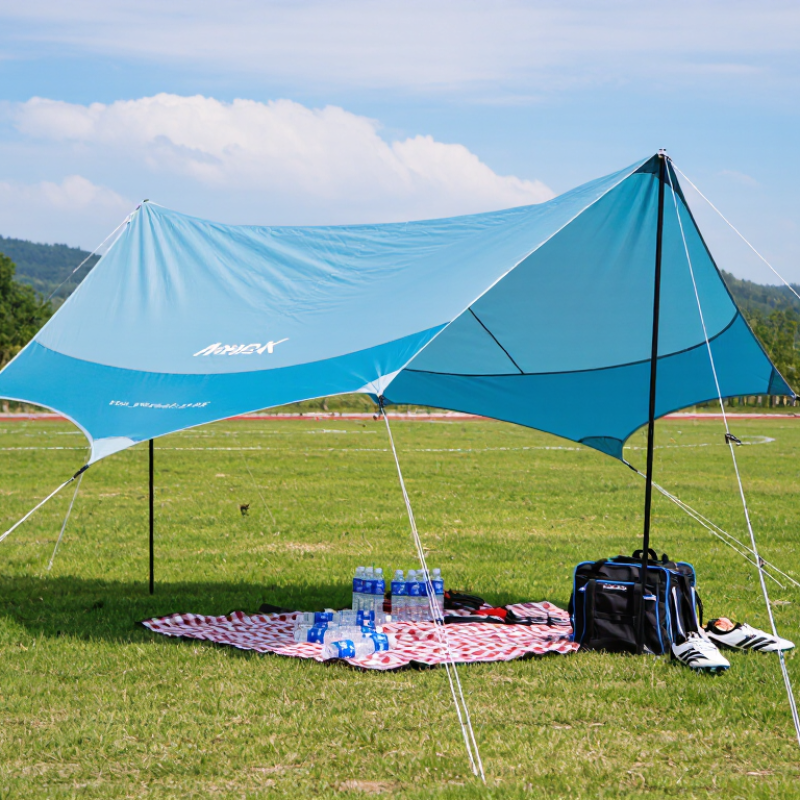
Pop-Up Canopy Basics: A Portable Frame-and-Cover Shelter
A pop-up canopy is a portable shelter made from a folding frame and a fabric cover. The frame opens into a grid of connected supports, while the cover stretches over the top to create shade. Many models have adjustable legs, so the roof can sit higher or lower as needed. The parts fold together for transport and storage. Not much gear.
Setup is easiest on level ground with enough room to open the frame fully. Two people can often pull opposite corners while another checks that the legs lock in place. The cover should sit evenly, without loose folds that collect rainwater. Follow the maker’s setup instructions, and secure the legs with suitable stakes or weights. The first setup can feel awkward; that is normal.
These shelters work well for outdoor markets, picnics, sports sidelines, and backyard gatherings. They provide shade and light weather protection, but they are not enclosed rooms or permanent structures. Wind can strain the frame, and heavy rain may pool on the cover. Check the forecast, keep the canopy secured, and take it down when conditions become unsafe. A little less shade is better than a damaged frame.
Everyday Uses: Shade and Rain Cover for Markets, Sports, and Events
At a farmers market, a pop-up canopy gives sellers a patch of shade for produce, signs, and payment equipment. USDA’s 2020 Farmers Market Directory listed 8,771 markets nationwide, illustrating how common these outdoor selling spaces are. A canopy also helps during light rain, keeping products and customers drier while the ground around the stall gets wet. Bring weights, check the forecast, and avoid treating a canopy as shelter during strong winds or thunderstorms.
For sports days and community events, a canopy can mark a team’s meeting point, shade a bench, or protect water and first-aid supplies. It is especially useful between games, when people stand in the sun rather than moving through it. The World Health Organization recommends sun protection when the UV Index reaches 3 or higher; shade helps, but it does not block all scattered or reflected UV. Keep sunscreen and hats available too. A canopy’s limits matter: rain can pool on its roof, and gusts can lift an unsecured frame. Secure each leg, follow the maker’s setup guidance, and take it down if conditions worsen. It is a practical cover, not a storm shelter.
What Is a Pop Up Canopy Used For? Everyday Uses: Shade and Rain Cover for Markets, Sports, and Events
Weather note: Pop-up canopies are intended for temporary use. Rain protection depends on the canopy fabric and design; they are not a substitute for a permanent shelter. Take the canopy down in strong winds, thunderstorms, or other severe weather, and follow the manufacturer’s setup and anchoring instructions.
Vendor-Space Planning: A 10 × 10 ft Canopy Covers 100 sq ft
A 10 × 10 ft pop-up canopy covers a 100 sq ft footprint, which gives vendors a useful starting point for planning. That is the roof’s approximate ground coverage, not 100 sq ft of unobstructed working space. Canopy legs, table depth, and customer movement all take room. Measure twice.
For a market stall, sketch the layout before packing. A 6 ft table along the back leaves space for a person to stand behind it, while baskets or a display rack may use the remaining area. Keep the entrance open enough for visitors to approach without squeezing past table corners. A small sign can sit near the front leg, but avoid placing it where it narrows the path. These details sound minor. They are not.
The usable area changes with the canopy design and setup, so check its actual dimensions and leg placement. If customers need room to browse, plan for fewer displays rather than filling every corner. I have seen neat layouts feel cramped once two people stop to talk; that is easy to underestimate on paper. Leave space for boxes, payment equipment, and a clear route out. Measure the full setup at home, including chairs and stock, before relying on the 100 sq ft figure.
What Is a Pop-Up Canopy Used For?
Vendor-space planning: compare the nominal floor area covered by common canopy footprints.
A 10 × 10 ft canopy covers 100 sq ft. This is the nominal rectangular footprint; usable space may vary depending on the frame and setup.
UV Shade: Fabric Protection Can Be Evaluated with AATCC TM 183
What Is a Pop Up Canopy Used For?
A pop-up canopy creates portable shade for markets, picnics, and outdoor events. Its fabric also reduces direct ultraviolet exposure, but shade alone does not prove strong UV protection. AATCC TM 183 measures erythemally weighted UV radiation transmitted through fabric. In a laboratory, a textile sample is tested under controlled conditions, helping quantify how much UV passes through. The result can support a UPF assessment, but it describes the tested material, not every assembled canopy. Small gaps matter. Seams, stretched panels, fading, and light entering from the sides can change the protection people actually experience.
The World Health Organization and International Agency for Research on Cancer estimated that UV radiation contributed to about 1.5 million new skin cancer cases and 120,000 deaths worldwide in 2020. That is a global estimate, not a prediction for someone sitting beneath a canopy. Still, it shows why fabric performance deserves attention. When comparing canopies, ask for a test report identifying the fabric, method, and result. Check whether the tested sample matches the canopy’s current material. A lab number is useful, but it is not the whole story: angle of sunlight, canopy coverage, and time outdoors also affect exposure. A little uncertainty remains, even with good test data.
Event-Safety Checks: NFPA 701 and Manufacturer Wind-Rating Data
What Is a Pop Up Canopy Used For?
Event-Safety Checks: NFPA 701 and Manufacturer Wind-Rating Data
A pop-up canopy can provide shade or shelter at outdoor events, but safety depends on more than its frame. Check whether the canopy fabric has documentation showing it was tested to the applicable NFPA 701 method. This standard evaluates flame propagation in textiles and films. It does not mean the canopy is fireproof. Ask which fabric and coating were tested, and keep the test information with your event records. Small details matter.
Wind-rating data needs equally careful review. Look for a rating tied to the specific canopy model, and check the test conditions, including anchoring and setup. A number without those details can be misleading. Secure each leg using the method recommended by the manufacturer, suited to the ground beneath it. Pavement, grass, and loose soil need different approaches. Never assume extra weight alone makes a canopy safe.
Wind can change quickly. A published rating is not a guarantee against gusts, uneven ground, or poor installation. Check the forecast, inspect joints and straps, and assign someone to watch conditions during the event. If the canopy shifts, flaps hard, or lifts at a corner, clear the area and take it down. It may feel overly cautious. Still, that is a better tradeoff than trusting a rating as permission to leave it standing in worsening weather.