• Monday

    9:00-5:00

  • Tuesday

    9:00-5:00

  • Wednesday

    9:00-5:00

  • Thursday

    9:00-5:00

  • Friday

    9:00-5:00

  • Saturday

    9:00-4:00

  • Sunday

    CLOSED

What Is Backyard Playground Equipment?

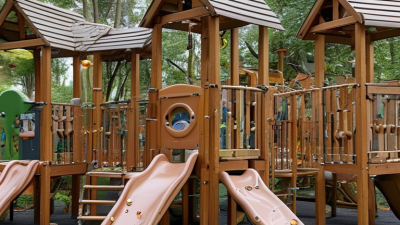
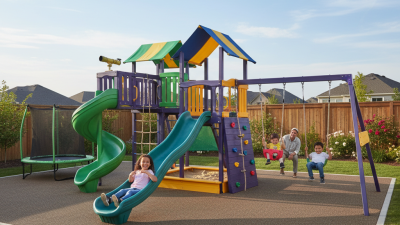
What is backyard playground equipment? It is a collection of outdoor structures designed to support children’s active, imaginative play at home. Common examples include swings, slides, climbing walls, balance beams, sand tables, and compact playhouses. Each feature creates a different challenge, from gripping a climbing rung to judging a safe landing.

Good backyard playground equipment does more than fill an empty lawn. It can encourage strength, coordination, confidence, and cooperative play when children use it appropriately. A well-planned setup also considers age, ability, available space, shade, drainage, visibility, and the surface beneath the equipment. Grass may look soft, but it can become hard after dry weather and offers limited protection from falls. Engineered wood fiber, rubber surfacing, or other tested materials may provide better impact absorption when installed correctly.

Safety deserves careful attention. Adults should follow the manufacturer’s instructions, inspect bolts and ropes, and check for sharp edges, cracks, trapped fingers, and unstable anchors. Equipment should match the child’s developmental stage, not merely the size of the yard. Local safety guidance and recognized standards can inform purchasing decisions, although labels alone cannot replace supervision. The best choice is rarely the most crowded set. A simple swing and low platform may serve a young child better than a tall tower. Children’s interests also change quickly. Planning for adjustment matters. Even careful designs have limits, so regular observation remains essential.

What Is Backyard Playground Equipment?

Definition and Purpose of Backyard Playground Equipment

Backyard playground equipment is a group of outdoor structures designed for children’s active play at home. It may include swings, slides, climbing frames, balance elements, and low platforms. Unlike public playgrounds, these systems serve a private household and usually fit a smaller space. Their purpose is practical: encourage movement, imaginative play, coordination, and supervised social interaction.

The World Health Organization’s 2020 physical activity guidelines recommend that children aged 5–17 average at least 60 minutes of moderate-to-vigorous activity daily. A backyard play area can support that goal through climbing, jumping, swinging, and repeated movement. It is not a guarantee of fitness. Children still need varied activities, rest, and adult guidance. The U.S. Consumer Product Safety Commission has reported roughly 200,000 annual emergency-department-treated playground injuries among children in earlier national surveillance. Falls remain a major concern.

Good equipment matches a child’s age, ability, and available space. Protective surfacing should extend beneath and around elevated structures. The CPSC Public Playground Safety Handbook recommends impact-absorbing surfaces and regular checks for loose fasteners, sharp edges, trapped clothing, and unstable posts. In practical use, inspection matters more than attractive design. A swing may look secure while its anchors loosen after rain. That detail is easy to miss.

Backyard equipment also creates a structured place for risk-taking. Safe challenge helps children judge height, balance, and speed. Too much restriction can reduce meaningful play. Too little supervision can create preventable hazards. The best purpose is balanced development, not simply keeping children occupied.
Common Types of Backyard Playground Equipment

What Is Backyard Playground Equipment?

Common Types of Backyard Playground Equipment

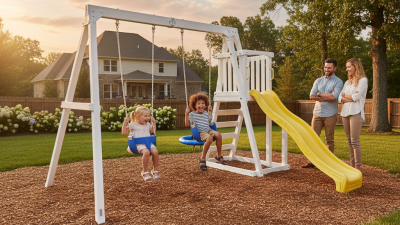
Backyard playground equipment includes outdoor structures designed for active, imaginative, and social play. Common choices include swings, slides, climbing frames, and balance beams. Each type supports different skills. Swings encourage body control, while climbing equipment develops grip strength and coordination. Slides add movement and excitement. A small playhouse can support pretend games and quiet breaks.

Some families add a seesaw, sandbox, or outdoor play table. Sand play offers simple sensory activity with scoops, buckets, and molds. Water tables can provide similar engagement during warm weather. Balance equipment may include stepping stones, low bridges, or short beams. These options work well in smaller yards. However, equipment should match a child’s age, size, and confidence. More equipment does not always mean better play.

Safety depends on installation, supervision, and regular checks. Place climbing structures on shock-absorbing surfacing, not bare concrete or packed soil. Check bolts, ropes, handles, and swing seats for wear. Keep clear space around moving equipment. Follow the manufacturer’s instructions and local safety guidance carefully. A practical mistake is choosing a tall structure before measuring the yard. Another is ignoring shade, drainage, and visibility from the house. Children may use equipment in unexpected ways, so adults should watch real play patterns and adjust the setup. Safety rules help, but thoughtful observation matters too.

What Is Backyard Playground Equipment? - Common Types of Backyard Playground Equipment

Equipment Type Main Features Typical Age Range Approximate Space Needed Common Materials Best For Key Safety Considerations Maintenance Level
Swing Set One or more suspended seats that move back and forth from a supporting frame. 2–12 years, depending on the seat design About 12–20 ft long × 8–12 ft wide Pressure-treated wood, powder-coated steel, molded plastic Active play and vestibular development Use properly enclosed seats for toddlers; maintain clear space around and beneath the swings; check chains, connectors, and seats regularly. Medium
Slide A sloped sliding surface with a platform, ladder, or steps. 2–10 years, based on height and design About 10–18 ft long × 6–10 ft wide High-density plastic, fiberglass, coated metal Gross-motor skills and repeated independent play Install on impact-absorbing surfacing; keep the exit area clear; inspect the sliding surface and handrails for cracks or sharp edges. Low to Medium
Climbing Structure Includes climbing walls, nets, ladders, or geodesic climbing frames. 4–12 years About 8–16 ft long × 8–14 ft wide Wood, galvanized steel, rope, molded plastic Strength, balance, coordination, and challenge-based play Match climbing difficulty to the child’s ability; avoid entrapment openings; provide a protective fall zone and inspect ropes, grips, and anchors. Medium
Playhouse An enclosed or semi-enclosed small play space that supports imaginative role-play. 2–8 years About 6–12 ft long × 6–10 ft wide Wood, plastic, composite panels Pretend play, social interaction, and quiet activities Provide ventilation; avoid small openings that could trap a child’s head or neck; secure the structure against tipping and remove splinters. Low to Medium
Sandbox A contained area filled with clean play sand for digging, building, and sensory play. 2–10 years About 4–8 ft long × 4–8 ft wide Wood, plastic, composite materials, play sand Sensory exploration and creative construction Use clean, child-safe sand; cover the box when not in use; remove debris and animal waste; provide shade and supervise younger children. Medium
Seesaw A balanced beam that moves up and down around a central pivot. 4–10 years About 10–16 ft long × 6–8 ft wide Steel, wood, molded plastic, rubber components Cooperative play, balance, and body control Use handles and suitable seats; protect the underside and landing areas; teach children to keep hands and feet away from the pivot and ground. Medium
Climbing Dome A rounded frame that children climb across, over, and through. 5–12 years About 8–14 ft in diameter Powder-coated or galvanized steel Upper-body strength, coordination, and spatial awareness Install on an impact-absorbing surface; inspect welds and fasteners; keep the surrounding fall zone free of hard objects. Low to Medium
Play Tower A raised platform combined with features such as a slide, climbing wall, or play deck. 3–12 years, depending on platform height About 12–24 ft long × 10–16 ft wide Pressure-treated wood, plastic, metal hardware Multi-activity play and families with more than one child Anchor the tower securely; use guardrails and barriers on elevated platforms; provide compliant protective surfacing beneath and around the structure. Medium to High
Balance Beam A low, narrow beam that children walk across while controlling their balance. 3–8 years About 6–12 ft long × 3–5 ft wide Wood, plastic, coated metal Balance, concentration, and coordination Keep the beam close to the ground; use rounded edges; place it over a soft surface and check that supports remain stable. Low
Merry-Go-Round A rotating platform or apparatus powered by children pushing or shifting their weight. 5–12 years About 8–14 ft in diameter Steel, molded plastic, rubberized grips Group play, balance, and physical activity Choose designs with handholds and controlled rotation; maintain a clear perimeter; supervise children to prevent pushing, standing, or jumping off while moving. Medium
Space estimates are approximate and should include additional clearance for safe access, movement, and impact-absorbing surfacing.

Key Features and Materials Used in Construction

Backyard playground equipment includes slides, swings, climbing walls, platforms, and imaginative play panels. Its safest designs manage height, movement, and falling space.

The U.S. Consumer Product Safety Commission estimates that about 200,000 children receive emergency treatment for playground injuries each year. Although most incidents occur on public equipment, home installations need the same disciplined thinking.

Key features begin with guardrails, secure handgrips, rounded edges, and openings that prevent head entrapment. A practical inspection should check loose bolts, sharp corners, cracked plastic, and unstable posts. The CPSC recommends protective surfacing beneath and around elevated equipment, with depth matched to fall height. Engineered wood fiber, rubber tiles, and loose-fill materials can reduce impact, but poor drainage weakens their performance. Small details matter.

Construction materials also affect comfort and service life.

Galvanized steel resists corrosion, while powder-coated metal can improve surface protection. High-density polyethylene panels resist moisture and splintering, but dark colors may become dangerously hot in direct sun. Pressure-treated timber offers a natural appearance, yet it needs regular checks for cracks, decay, and exposed fasteners. ASTM F1148 provides safety requirements for home playground equipment, while CPSC guidance supports installation and maintenance decisions.

No material is maintenance-free. Even strong equipment can become unsafe when installation settles, surfaces thin, or adults overlook changing weather.

Safety Standards and Installation Considerations

What Is Backyard Playground Equipment?

Safety Standards and Installation Considerations

Backyard playground equipment includes swings, slides, climbing walls, and balance features. Safety begins before purchase. Select equipment suitable for the children’s ages, abilities, and expected play patterns. Check the instructions and applicable standards, such as ASTM F1487 or EN 1176. Local requirements may differ.

Measure twice. Children test everything.

A safe layout needs a clear fall zone around every elevated component. Do not place equipment near fences, trees, concrete, pools, or sharp landscaping. Install impact-absorbing surfacing, such as engineered wood fiber, rubber tiles, or suitable loose-fill material. Grass and soil are not reliable protection. Keep the surface level, deep enough, and free from exposed roots or stones.

Anchor the structure firmly, following the manufacturer’s specifications. Buried anchors should not create hidden trip hazards. Check bolt heads, joints, swing hangers, and protective caps during installation. Openings must not trap a child’s head, neck, fingers, or clothing. Slides need stable platforms and secure handholds. Swings require adequate spacing from frames and nearby play areas.

Inspect the playground regularly. Look for loose hardware, rust, cracked plastic, splintered wood, and displaced surfacing. Weather can change conditions quickly. After heavy rain, check drainage and ground stability. A perfectly assembled structure can still become unsafe through neglect. I would also question whether every feature is necessary; more equipment can mean more collision points. Supervision remains important, especially for younger children and mixed-age play.

What Is Backyard Playground Equipment? Safety Standards and Installation Considerations

Backyard playground equipment includes slides, swings, climbing structures, and other play components designed for children. A key installation requirement is providing a protective surfacing zone around equipment. Common U.S. public-playground safety guidance recommends at least 6 feet around stationary equipment, while swing protection zones should extend twice the height of the swing pivot point in the direction of travel.

The measurements shown are protective surfacing extensions, not equipment heights. Install impact-attenuating material across the complete use zone, keep the area level and well-drained, anchor the equipment securely, remove trip hazards, and verify that the selected surfacing is suitable for the equipment’s maximum fall height.

Maintenance, Accessibility, and Age-Appropriate Design

What Is Backyard Playground Equipment?

Maintenance, Accessibility, and Age-Appropriate Design

Backyard playground equipment includes swings, slides, climbing walls, balance beams, and small playhouses. Safe equipment needs regular attention, not occasional repairs. Walk around the play area each month. Check loose bolts, cracked plastic, sharp edges, and worn ropes. Look beneath swings for hard soil or exposed roots. Protective surfacing should remain deep and evenly spread. Sand, rubber, or engineered wood fiber can reduce injury risks during falls. Weather changes everything. Rain can loosen soil, while strong sunlight can weaken some materials.

Accessibility should begin with the route to the equipment. A firm, level path helps children using mobility devices reach the play area. Ground-level activities can support shared play. Transfer platforms, low ramps, and wide spaces may improve access. However, accessibility is not solved by adding one ramp. Children also need reachable controls, comfortable turning space, and activities at different heights. Ask families what works for them. Designers sometimes guess incorrectly.

Age-appropriate design matters because children develop different skills at different speeds. Toddlers need low platforms, short slides, secure handholds, and close adult supervision. Older children may manage taller climbing features, but fall zones must remain clear. Separate activities by height and challenge when possible. Read the equipment instructions carefully. A playground may look harmless but still create dangerous climbing opportunities. I once underestimated how quickly children test boundaries. That mistake deserves reflection. Good design anticipates curiosity without removing every chance for safe, active learning.