• Monday

    9:00-5:00

  • Tuesday

    9:00-5:00

  • Wednesday

    9:00-5:00

  • Thursday

    9:00-5:00

  • Friday

    9:00-5:00

  • Saturday

    9:00-4:00

  • Sunday

    CLOSED

Why Choose Baseball Caps for Global Sourcing?

Baseball Cap sourcing deserves serious attention because it combines steady demand, flexible design, and relatively simple production. A structured cap can use cotton twill, recycled polyester, wool blends, or performance fabrics. Its crown, visor, closure, and embroidery also support clear cost comparisons between suppliers. Grand View Research’s Headwear Market Size, Share & Trends Analysis Report, 2024–2030, identifies continued market growth and rising demand for branded headwear. The report offers direction, not a guarantee. Buyers still need current regional data.

Consumer expectations are becoming more specific. A buyer may inspect a curved brim, compare thread density, or test an adjustable strap within seconds. Textile Exchange’s Materials Market Report 2024 states that polyester represented about 57% of global fiber production in 2023. This figure explains why material traceability and recycled-content claims require careful verification. Certifications and test records should support every environmental statement. Supplier audits should also review stitching strength, colorfastness, packaging, and production consistency.

Global sourcing can improve price visibility and access to specialized factories. It can also expose buyers to shipping delays, communication gaps, and uneven quality control. ISO 2859-1 provides a recognized sampling framework for acceptance inspections, helping purchasers define measurable limits. However, a sampling plan cannot replace factory experience. Small defects may still appear between inspection points. That is the uncomfortable part. A reliable sourcing strategy therefore compares landed cost, lead time, minimum order quantity, compliance evidence, and supplier responsiveness. The best Baseball Cap partner is not always the cheapest factory. It is the supplier that repeatedly delivers the agreed product, documents its process, and admits problems early.
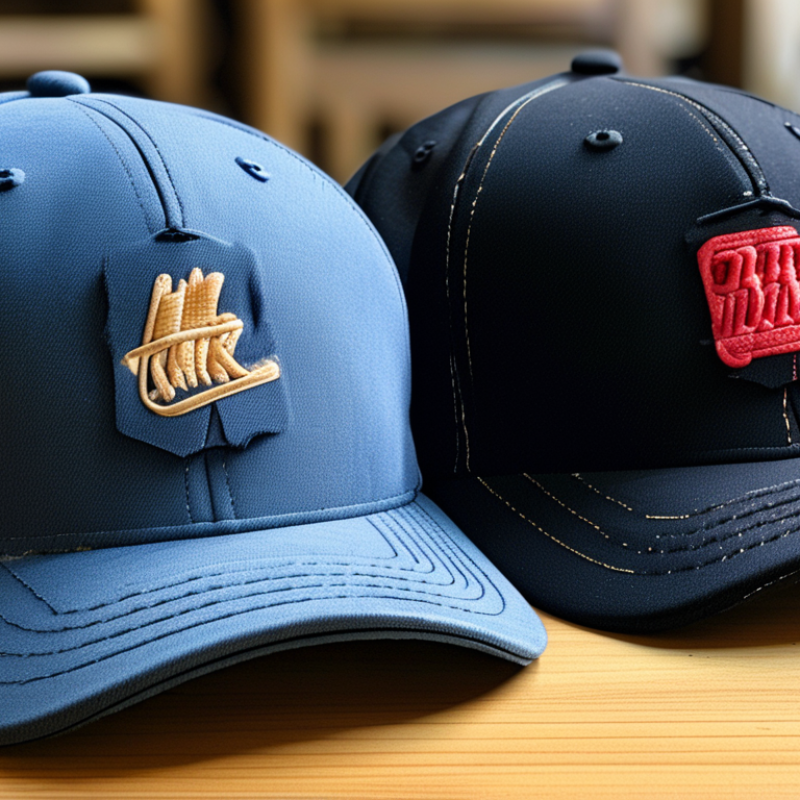
Why Choose Baseball Caps for Global Sourcing?

Baseball Caps: Definition, History, and Global Market Role

A baseball cap is a soft, structured head covering with a rounded crown and projecting visor. Many versions use six panels, stitched ventilation eyelets, and an adjustable back closure. Materials commonly include cotton, polyester, wool blends, and recycled fibers. Construction details affect comfort, shape retention, and production cost.

The cap developed from nineteenth-century baseball uniforms, where players needed shade and a secure fit during outdoor games. Over time, its practical design moved beyond sport. Workers, students, travelers, and communities adopted it as everyday clothing. The embroidered front panel also created space for symbols, local identities, and event messages without changing the basic form.

Its global market role is unusually flexible. Buyers can source lightweight caps for warm regions or lined versions for cooler climates. Factories often adjust crown depth, visor curve, fabric weight, closure type, and decoration method. A sourcing team should check sample measurements, stitching density, color consistency, and sweatband comfort before approving larger orders. These small details matter.

The product is easy to ship. Demand can still shift quickly. Seasonal purchasing, regional preferences, and changing material expectations influence order planning. A low-cost cap may lose value if the visor bends or the closure feels weak. Even experienced buyers sometimes underestimate fit differences across markets. That mistake deserves another sample review.

Key Benefits of Choosing Baseball Caps for International Sourcing

Baseball caps remain practical products for international sourcing because they suit many age groups, climates, and retail channels. They are lightweight, stackable, and easy to pack. That reduces shipping space and handling costs. Their simple structure also supports flexible customization, including fabric choices, embroidery, patches, closures, and seasonal colors. From my sourcing experience, buyers can order basic cotton caps for everyday use or technical materials for outdoor activities. This range helps businesses test different markets without creating overly complex product lines.

Tips: Request physical samples before confirming production. Check stitching, sweatband comfort, closure strength, color consistency, and logo placement. Ask suppliers for fabric details and production timelines. Confirm carton dimensions early. Small packaging changes can affect freight costs. A pre-shipment inspection is useful, but it cannot replace clear specifications.

International sourcing still requires careful judgment. Low prices may hide weak stitching, uneven panels, or poor colorfastness. Some samples look excellent, then production quality slips. That risk is easy to underestimate. Buyers should compare several suppliers, document approval standards, and keep realistic delivery schedules. Customs paperwork and product labeling also need attention in each destination market. Baseball caps are simple products, but simple does not mean risk-free. A reliable sourcing process depends on measurable quality checks, honest communication, and willingness to reject disappointing samples.

Materials, Styles, and Customization Options for Global Buyers

Why Choose Baseball Caps for Global Sourcing?

Baseball caps offer practical materials for different climates and price targets. Cotton twill feels breathable and develops a softer surface after repeated wear. Recycled polyester resists moisture and supports lightweight performance styles. Nylon works well for outdoor caps, although it can feel less natural. Blended fabrics may balance comfort, strength, and production cost. In sampling work, fabric weight often changes the cap’s appearance more than expected.

Styles can include five-panel, six-panel, unstructured, structured, trucker, and washed designs. Curved brims suit casual collections, while flat brims create a sharper streetwear look. Adjustable metal clips, hook-and-loop straps, and fabric closures support flexible sizing. Buyers should check crown depth carefully. A cap that looks correct on paper may feel too shallow during wear.

Customization can combine embroidery, screen printing, woven labels, patches, contrast stitching, and custom sweatbands. Small logos need clear artwork and suitable thread density. Color references should be approved with physical samples, not only digital images. Size charts, care labels, packaging, and carton markings also require review for each target market. Perfect color matching is not always realistic. Slight shade variation may still appear between fabric batches, so agreed tolerances matter. A pre-production sample, inspection checklist, and documented approval process reduce costly surprises.

How to Evaluate Baseball Cap Suppliers and Production Standards

Why Choose Baseball Caps for Global Sourcing?
How to Evaluate Baseball Cap Suppliers and Production Standards

Choosing baseball caps for global sourcing is practical when buyers need compact, adaptable headwear. Yet supplier selection requires more than a polished catalog. I have found that factory visits, sample reviews, and production records reveal more than sales claims. Ask who controls cutting, sewing, embroidery, and final inspection. Clear process ownership makes audits easier.

Evaluate samples under real conditions. Check crown symmetry, stitch density, sweatband attachment, visor shape, and color consistency. Measure each sample against approved specifications, not memory. Pull several pieces from one batch. Small differences often expose weak process control. Request material details, test reports, and traceable lot records. Production standards should cover needle control, packing hygiene, carton strength, and worker safety.

Before placing an order, review capacity, lead times, defect limits, and correction procedures. A reliable supplier explains what happens when a batch fails inspection. Do not accept vague promises. Use a written quality agreement with measurable tolerances. Independent inspections can help, though they add time and cost. I would not skip them for a tight deadline. That choice can backfire. Supplier evaluation is also a learning process. Early assumptions may be wrong, and honest revisions usually improve the next order.

Shipping, Compliance, and Cost Factors in Global Cap Sourcing

Why Choose Baseball Caps for Global Sourcing?

Shipping, Compliance, and Cost Factors in Global Cap Sourcing

Baseball caps remain practical for global sourcing because they are lightweight, stackable, and easy to customize. A standard carton can hold many units without excessive volume. This helps control freight costs, especially when shipping by sea. However, shipping estimates can mislead buyers. Product volume, carton strength, port charges, and seasonal delays all affect the final landed cost. A low factory price may not mean a low purchasing cost.

Compliance needs attention before production begins. Confirm fiber content, care labels, packaging details, and country-specific import requirements. Request material specifications and inspection records from the supplier. Check stitching, colorfastness, size measurements, and brim shape before approving bulk production. Small errors can spread across thousands of caps. That becomes expensive. In practice, buyers sometimes focus too heavily on unit price and overlook rework, storage, or customs delays. I would not repeat that mistake.

Tips: Compare suppliers using total landed cost, not price alone. Ask for a pre-production sample and a carton packing plan. Keep written approval records for materials, artwork, and measurements. Build extra time into shipping schedules, especially before major retail seasons. A simple inspection checklist can catch loose threads, uneven embroidery, and crushed cartons early. Also, review the plan again. Freight assumptions change quickly.

Why Choose Baseball Caps for Global Sourcing? - Shipping, Compliance, and Cost Factors in Global Cap Sourcing
Decision Area Data Dimension Indicative Planning Data Why It Matters for Baseball Caps Recommended Sourcing Action
Shipping Ocean freight transit time Approximately 20–45 days port-to-port on major intercontinental routes Caps are lightweight and non-perishable, so they can tolerate longer transit times and lower-cost sea freight. Use ocean freight for planned replenishment and larger orders; build buffer stock around port congestion and customs clearance.
Shipping Air freight transit time Approximately 3–10 days airport-to-airport, excluding export and import handling Air shipping supports seasonal launches, urgent replenishment, and smaller high-value shipments. Reserve air freight for time-sensitive units because freight cost per kilogram is substantially higher than ocean freight.
Shipping Container utilization Often favorable because caps are compressible and can be packed in cartons; final capacity depends on crown structure and packaging Efficient carton loading can reduce the freight cost allocated to each cap. Request carton dimensions, gross weight, packing count, and loading calculations before approving the order.
Shipping Packaging risk Moderate risk of crushing, deformation, moisture exposure, and staining during handling Structured brims and embroidered panels may be damaged if cartons are overloaded or exposed to water. Specify moisture-resistant inner packaging, carton compression limits, dividers, and pre-shipment packing photos.
Cost Main cost components Fabric or fiber content, panels, visor, closure, decoration, labor, packaging, freight, duty, inspection, and payment costs A low factory price does not necessarily produce the lowest landed cost. Compare suppliers using landed cost: product price + origin charges + freight + insurance + duty + destination charges.
Cost Economies of scale Per-unit cost generally decreases as order quantity increases, while setup and sampling costs are spread across more units Baseball caps use repeatable components and production steps, making them suitable for volume sourcing. Obtain quantity breaks at several order levels and check whether higher volume creates excess inventory or storage cost.
Cost Decoration cost impact Embroidery, woven labels, patches, heat transfers, and special washes add separate material, labor, and approval costs Decoration complexity can materially change cost and lead time even when the cap construction is unchanged. Approve a physical sample or pre-production sample and define artwork size, thread colors, placement, and tolerances.
Cost Payment and currency exposure Common commercial structures include an upfront deposit and a balance before shipment; exchange rates may affect the final budget Payment timing and currency movements can change working-capital requirements and total sourcing cost. Agree on currency, payment milestones, inspection release conditions, and the validity period of the quotation.
Compliance Tariff classification Caps are commonly classified under textile headwear categories, but the correct tariff code depends on material, construction, and destination rules Incorrect classification can lead to unexpected duty, delays, penalties, or document corrections. Confirm the destination-country tariff code with a customs broker or official tariff database before placing the order.
Compliance Fiber-content labeling Many markets require accurate fiber composition and country-of-origin information for textile products The label must match the actual materials, including cotton, polyester, elastane, wool, or blended fibers. Verify fiber composition through supplier specifications and, when required, laboratory testing before mass production.
Compliance Chemical and restricted-substance controls Requirements may cover dyes, prints, coatings, metals, formaldehyde, azo colorants, and other restricted substances Colorants, metal adjusters, adhesives, and finishing chemicals may create compliance risk even when the cap appears simple. Provide a restricted-substance list and request material declarations or test reports appropriate to the destination market.
Compliance Product safety and trims Metal buckles, snaps, eyelets, cords, and small detachable parts may require safety review depending on intended users and market Accessories can create sharp-edge, choking, flammability, or nickel-release concerns. Evaluate trims separately and document material specifications, finish quality, and applicable safety test results.
Quality Critical inspection points Size, crown shape, visor alignment, stitching, embroidery placement, color consistency, closure function, stains, and carton condition Small visual defects are highly noticeable on headwear and can affect sell-through and customer returns. Use approved reference samples, measurable tolerances, AQL-based inspection where appropriate, and documented defect classifications.
Lead Time Typical production planning Sampling may take about 7–21 days; bulk production often requires approximately 20–45 days after approvals, depending on complexity and capacity Custom fabrics, embroidery, washing, and seasonal capacity can extend the schedule. Freeze artwork, materials, size specifications, and packaging requirements before issuing the bulk-production purchase order.
Risk Control Supplier evaluation evidence Useful records include business credentials, production capability, sample consistency, material traceability, inspection history, and export documentation Supplier reliability affects quality, shipment timing, documentation accuracy, and corrective-action speed. Use a documented qualification checklist and validate production capability with samples and independent inspections.
Sustainability Material and packaging considerations Recycled fibers, certified natural fibers, recycled packaging, reduced plastic, and consolidated shipments may lower environmental impact Baseball caps can be designed with relatively few components, allowing material and packaging choices to be reviewed systematically. Request credible supporting documentation and calculate environmental claims based on verifiable material and process data.
Planning note: Freight rates, transit times, duty rates, labeling rules, and product-safety requirements vary by origin, destination, material, season, and shipment terms. Confirm current requirements with the relevant customs authority, testing laboratory, freight forwarder, and customs broker before committing to production.