• Monday

    9:00-5:00

  • Tuesday

    9:00-5:00

  • Wednesday

    9:00-5:00

  • Thursday

    9:00-5:00

  • Friday

    9:00-5:00

  • Saturday

    9:00-4:00

  • Sunday

    CLOSED

What Is a Wooden Swingset and How to Choose One?

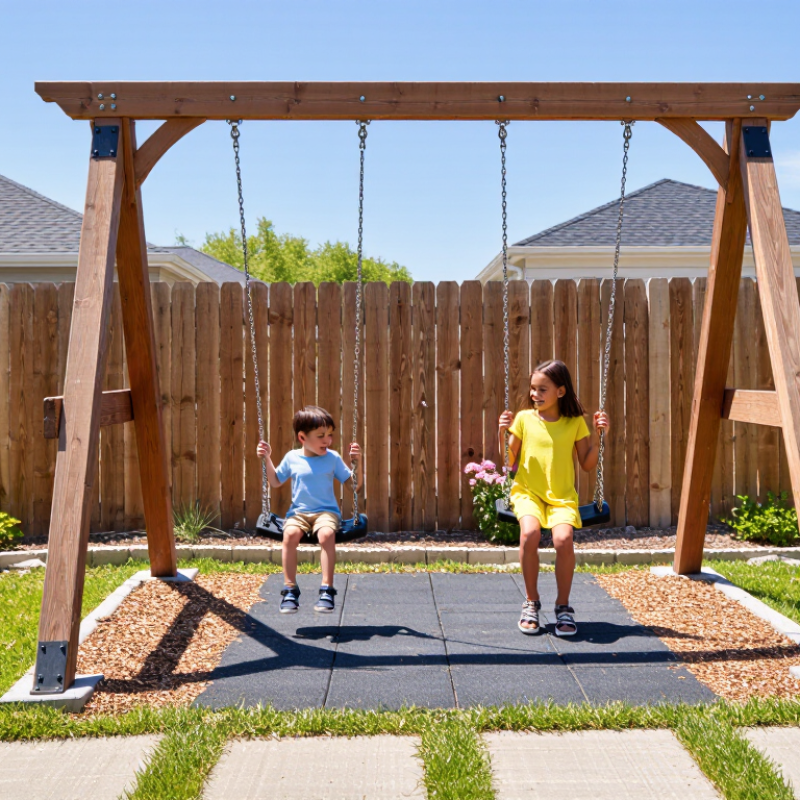
A wooden swingset can turn a small backyard into an active, imaginative play space. Its timber frame feels warm, solid, and visually natural beside grass, patios, or garden fencing. Yet appearance should never decide the purchase alone. A strong design must also address stability, swing clearance, fall protection, hardware quality, and long-term maintenance.

The U.S. Consumer Product Safety Commission’s Public Playground Safety Handbook identifies falls as a major playground injury concern. It also stresses protective surfacing, safe spacing, and regular inspections. For home equipment, ASTM F1148 provides useful guidance on residential playground structures, including swings and access points. These references do not guarantee perfect safety. They provide a practical baseline.

Dr. Donna Thompson, a recognized playground-safety specialist and former National Program for Playground Safety executive director, said, “The best playground is one that is safe, challenging, and fun.” That balance matters when comparing a wooden swingset for toddlers, older children, or mixed-age families. Check the wood treatment, platform height, weight limits, anchor system, and included safety instructions. Look closely at the ground, too. Hard soil can become unforgiving after rain.

There is no universal best model. A wide frame may suit energetic children but overwhelm a compact yard. A cheaper kit may look attractive, yet require more sealing and tightening. This guide examines those trade-offs, using safety guidance, practical installation experience, and measurable design details to help families choose with fewer assumptions.
What Is a Wooden Swingset and How to Choose One?

What Is a Wooden Swingset?

A wooden swingset is an outdoor play structure built mainly from treated or naturally durable timber. It usually includes a swing beam, seats, climbing elements, and a supporting frame. Unlike a single swing, it creates several play zones around one stable structure. The wood should resist moisture, insects, splitting, and repeated movement. Smooth surfaces matter. Small splinters become painful quickly.

Safety is not an optional feature. The U.S. Consumer Product Safety Commission reports more than 200,000 playground-equipment injuries among children aged 14 and younger each year. Its Public Playground Safety Handbook also emphasizes protective surfacing, safe fall zones, and regular maintenance. ASTM F1148 provides safety requirements for home playground equipment. These references cannot replace careful judgment, however. A swingset may meet a specification and still become unsafe after loose bolts, standing water, or ground erosion appear.

When choosing one, check the timber treatment, joint design, anchor points, and maximum user weight. Measure the available area before buying. Leave clear space around the swing’s forward and backward motion. Wood that feels rough needs sanding, but sanding alone cannot repair decay. I would inspect bolt heads, beam connections, and the ground anchors every few weeks. Honestly, appearance can mislead. A thick frame may hide weak hardware. The better choice is a structure with clear instructions, replaceable parts, drainage-friendly design, and maintenance guidance supported by recognized safety standards.
Key Parts and Features of a Wooden Swingset

What Is a Wooden Swingset and How to Choose One?

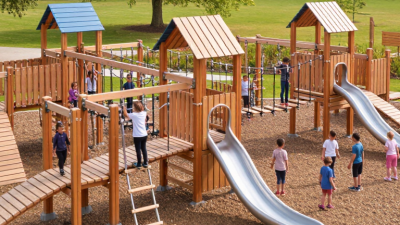
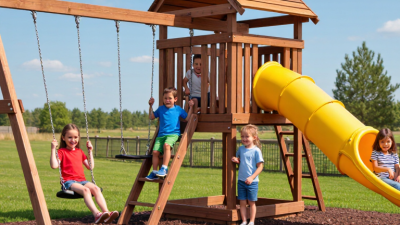
A wooden swingset combines a sturdy frame with moving and climbing components. Its main supports are the upright posts, crossbeam, and ground anchors. The crossbeam must carry repeated swinging forces without noticeable bending. Look for thick, straight timber with smooth surfaces and carefully rounded edges. Pressure-treated or naturally durable wood can resist moisture, but every surface still needs regular inspection.

The swing seats should hang from strong, rust-resistant hangers with enclosed connectors. Flexible seats are comfortable, while wooden seats offer a firmer feel. A platform adds play value, especially when paired with a ladder, climbing wall, or slide. Check the platform’s guardrails and entry opening. Small gaps can trap fingers, feet, or clothing. Spacing matters.

I have seen buyers focus on appearance and overlook the anchors. That is an expensive mistake. The frame should sit level on stable ground and remain firmly secured during active play. Choose a size that matches the children’s ages, reach, and confidence, not only the available yard space. Leave clear room around every swing path. Wood can crack, loosen, or develop rough spots over time, even when it looked excellent on delivery. A practical routine includes checking bolts, hangers, steps, and anchor points before use. No design is perfect. Weekend inspections may feel excessive, but they reveal small problems before play makes them worse.

What Is a Wooden Swingset and How to Choose One?

A wooden swingset is an outdoor play structure built from treated or naturally durable lumber. Its key parts usually include a supporting frame, platform, swings, slide, climbing feature, handrails, ground anchors, and protective surfacing.

How the Chart Helps You Choose

Janka hardness measures the force required to press a steel ball halfway into wood, shown here in approximate pounds-force (lbf). Harder wood can offer greater resistance to dents and wear, while naturally durable species may provide better outdoor weather resistance. When choosing a wooden swingset, also check the lumber treatment, rounded edges, corrosion-resistant hardware, strong ground anchoring, secure handrails, and adequate protective surfacing.

Types of Wooden Swingsets for Different Ages and Spaces

A wooden swingset combines a timber frame with swings and often a slide, climbing wall, or small playhouse. Its warm texture suits gardens, but wood needs regular inspection. Look for rounded edges, sealed surfaces, sturdy joints, and weather-resistant hardware. A reliable setup should also leave a clear fall zone around every moving part.

For toddlers, choose a compact set with enclosed bucket seats, short platforms, and gentle access steps. Young children need lower heights and close adult supervision. Preschoolers may enjoy belt swings, a small slide, and a simple climbing ramp. For school-age children, consider higher platforms, monkey bars, rope elements, and wider swing spacing. Always follow the stated age and weight limits. Children develop differently, so an exciting feature may still be too challenging.

Small yards benefit from a two-seat frame or a wall-free design with a narrow footprint. Medium spaces can support a slide and climbing section, provided the landing area stays clear. Large gardens allow separate zones for swinging, climbing, and quiet play. Measure the full safety area, not just the timber frame. A soft surface, secure anchoring, and level ground matter greatly. Uneven lawns can make a beautiful set unsafe. No setup is perfect. Wood can crack, bolts can loosen, and children can surprise adults with new risks. Inspect the frame before use, especially after heavy rain or freezing weather.

What Is a Wooden Swingset and How to Choose One? — Types of Wooden Swingsets for Different Ages and Spaces

Wooden Swingset Type Typical Recommended Age Best For Typical Overall Size Recommended Clear Space Main Features Important Selection Considerations
Toddler Swingset with Full-Bucket Seat Approximately 6 months–3 years, when the child can sit independently Young children and closely supervised home use About 1.5–2.5 m wide × 1.2–1.8 m deep × 1.4–1.8 m high Allow at least 2 m in front and behind the swing, plus clear space on both sides Full-body support, high back, safety restraint, low swing height Check the seat’s stated age and weight limits; use only with active adult supervision
Compact Single-Swing Frame Approximately 3–8 years, depending on the seat and manufacturer’s limits Small yards, patios, and one-child households About 2–2.5 m wide × 1.5–2 m deep × 1.8–2.2 m high Reserve a level area of roughly 6–7 m wide × 5–6 m deep, including swing travel One belt or flat seat, simple wooden frame, limited footprint Measure the usable area rather than the empty yard; avoid fences, walls, trees, and hard surfaces
Two-Seat A-Frame Swingset Approximately 3–10 years, based on the installed seats Shared play between siblings or friends About 2.5–3.5 m wide × 2–2.5 m deep × 1.8–2.4 m high Plan for approximately 7–8 m wide × 5–6 m deep, with unobstructed swing paths Two individual seats, stronger frame, more simultaneous use Confirm the frame’s total load rating and anchor every leg according to the installation instructions
Wooden Swing-and-Slide Set Approximately 3–8 years Backyards needing several activities in one structure About 3–4.5 m wide × 2.5–4 m deep × 2.2–2.8 m high Often requires about 8–10 m wide × 7–9 m deep, including the slide exit and swing zone Swings, platform, ladder or steps, and slide Use impact-absorbing surfacing; keep the slide exit and climbing areas free of obstacles
Wooden Tire Swing Approximately 5 years and older, according to the seat and installation limits Older children and larger gardens with a sturdy overhead beam About 2–3 m wide × 2–3 m deep × 2–2.5 m high Provide a generous circular clearance; at least 2 m from nearby structures is a practical starting point Single hanging tire or molded seat, multi-directional movement Use weather-resistant hardware, inspect ropes or chains often, and avoid contact with walls or tree trunks
Wooden Glider or Face-to-Face Swing Approximately 5–12 years, depending on the design Cooperative play and children who can follow movement rules About 2–3 m wide × 1.5–2.2 m deep × 1.8–2.3 m high Allow at least 2 m of clearance around the moving seat and frame Two opposing seats, synchronized movement, shared footrests or handles Choose rounded edges and protected pinch points; supervise younger users closely
Large Wooden Playset with Multiple Swings Approximately 5–12 years, with separate age ratings for each accessory Large yards, multiple children, and varied active play About 4–6 m wide × 3–5 m deep × 2.5–3.5 m high Typically needs about 10–12 m wide × 8–10 m deep, depending on the accessories Multiple swings, climbing wall, platform, slide, rope or playhouse area Verify ground anchoring, fall height, accessory spacing, maintenance access, and local safety requirements
Adjustable-Growth Wooden Swingset Approximately 2–10 years, using age-appropriate interchangeable seats Families wanting one frame that adapts as children grow About 2.5–4 m wide × 2–3 m deep × 2–2.8 m high Reserve at least 8–10 m wide × 6–8 m deep, depending on the final configuration Convertible toddler seat, flat seat, climbing accessories, or add-on modules Check compatibility of replacement parts and never exceed the lowest rated capacity of the frame or accessory

Dimensions and age ranges are typical planning estimates, not universal specifications. Always follow the product’s installation manual, stated weight limits, local regulations, and age recommendations. Install the swingset on level ground with suitable impact-absorbing surfacing and inspect the wood, fasteners, seats, ropes, and anchors regularly.

How to Choose the Right Wooden Swingset

A wooden swingset is an outdoor play structure with swings, climbing features, and sometimes a slide. Its timber frame can blend naturally with a garden. More importantly, the structure must remain stable during active play. A well-built swingset uses weather-resistant wood, rounded edges, strong joints, and secure ground anchors. Children move unpredictably. The frame should not wobble.

Choosing the right wooden swingset starts with your available space and the children’s ages. Measure the site, including a wide clearance around the swings. Check the manufacturer’s recommended age range, weight limits, platform height, and installation requirements. Look for pressure-treated or naturally durable timber, but confirm that the finish is suitable for children. Inspect every bolt and connection. Loose hardware can become dangerous quickly. In practical installations, uneven ground causes many problems, so level the surface before assembly. I once underestimated the space needed for swing movement; that mistake made supervision harder.

Tips: Choose a flat, visible location near the house. Use impact-absorbing ground cover beneath high-use areas. Check for splinters, rust, cracks, and loose bolts every month. Tighten hardware after the first few weeks, because wooden parts can settle. Do not rely only on appearance. A beautiful frame may still have weak joints. Ask whether replacement parts and clear instructions are available. When uncertain, have a qualified installer inspect the structure.

Safety, Installation, and Maintenance Considerations

A wooden swingset is an outdoor play structure made mainly from timber, with swings, climbing features, or a small platform. Choosing one should begin with the child’s age, available space, and fall-zone requirements. The U.S. Consumer Product Safety Commission reported an estimated 155,400 playground-equipment injuries among children aged 0–14 in 2021. Falls remain a major concern.

Installation deserves more attention than appearance. Place the swingset on firm, level ground, away from fences, trees, walls, and garden tools. Follow the manufacturer’s assembly instructions carefully, then anchor every required post. The CPSC recommends protective surfacing beneath and around equipment, such as engineered wood fiber or suitable rubber surfacing. Grass looks soft, but it offers unreliable protection after rain. Leave sufficient clearance behind and in front of each swing. Measure it twice.

Maintenance is a repeated task, not a seasonal promise. Inspect bolts, chains, seats, platforms, and handrails before use. Look closely for splinters, cracked timber, rust, loose anchors, and standing water. ASTM F1148 provides guidance for residential playground equipment safety, but standards cannot replace careful judgment. A structure may feel stable while one connection quietly weakens. Clean wooden surfaces, reseal them when appropriate, and replace damaged parts rather than improvising repairs. I would also keep a simple inspection record. It may seem excessive, yet forgotten repairs are common. Children should use the structure under age-appropriate supervision, especially when climbing features exceed their confidence.