• Monday

    9:00-5:00

  • Tuesday

    9:00-5:00

  • Wednesday

    9:00-5:00

  • Thursday

    9:00-5:00

  • Friday

    9:00-5:00

  • Saturday

    9:00-4:00

  • Sunday

    CLOSED

How to Choose the Best Playground Swing Sets?

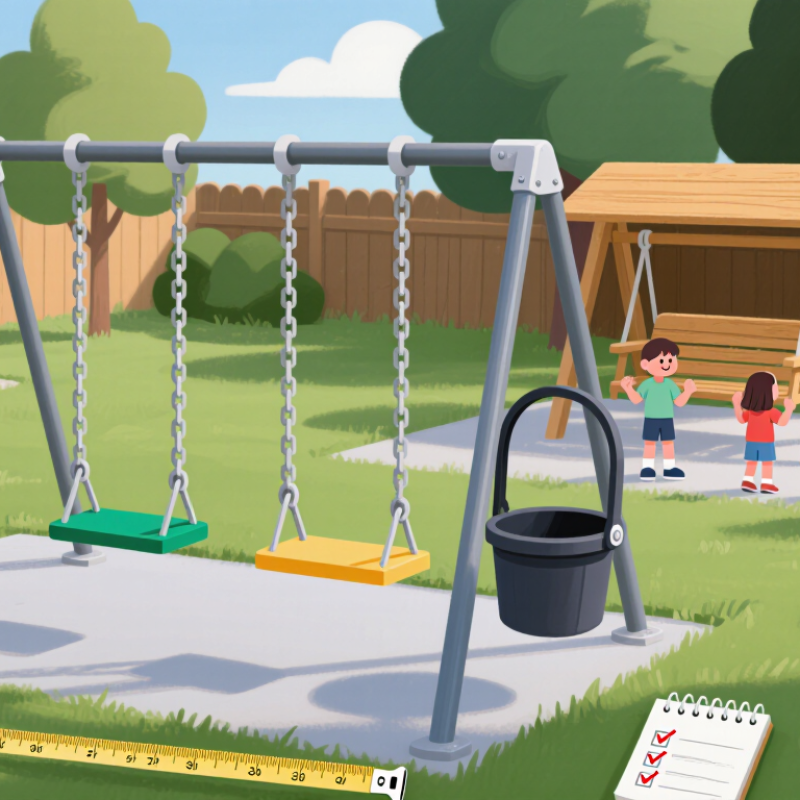
Choosing the best playground swing sets is not simply a matter of picking bright colors or the lowest price. A safe, enjoyable set must match children’s ages, abilities, available space, and daily play habits. The right choice begins with careful observation.

Measure the yard before browsing products. Leave a clear fall zone around every swing. Check the frame height, seat design, chain coating, anchor points, and weight limits. A small backyard may suit two belt swings, while a community space may need adaptive seats and stronger commercial construction. Look for durable steel, sealed wood, smooth edges, and hardware that does not loosen easily. Confirm that the equipment follows recognized safety guidance, such as ASTM standards and CPSC recommendations.

Tim Gill, a respected childhood and play researcher, states, “Risk is not the same as hazard.” That distinction matters here. Swinging can offer healthy challenge, but exposed bolts, unstable soil, and poor spacing create preventable hazards. Adult supervision still matters. So does maintenance.

Walk around the set at a child’s eye level. Feel for sharp edges. Watch how water collects beneath the frame after rain. Recheck anchors and fasteners each season. These details are easy to overlook.

No playground swing sets are perfect for every family. I would question any product promising zero maintenance or complete safety. A thoughtful decision balances fun, durability, accessibility, budget, and realistic supervision. This guide will help compare those factors with practical evidence, not attractive photographs alone.
How to Choose the Best Playground Swing Sets?

Understanding Swing Set Types and Intended Use

How to Choose the Best Playground Swing Sets?

Understanding Swing Set Types and Intended Use

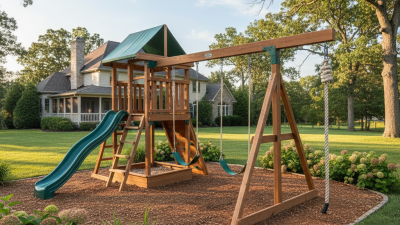
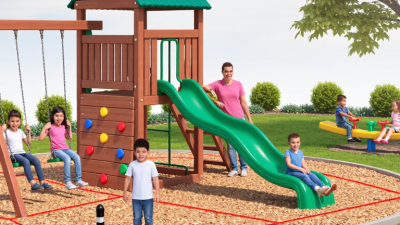
A swing set should match the children who will use it, not only the available yard space. Toddler swings usually include a supportive bucket seat and a safety harness. They help young children develop balance while reducing the chance of slipping. Flat belt swings suit older children who can sit independently and control their body movement. A tire swing offers shared play, but it needs stronger support and extra clearance. It may also swing unpredictably when several children use it together.

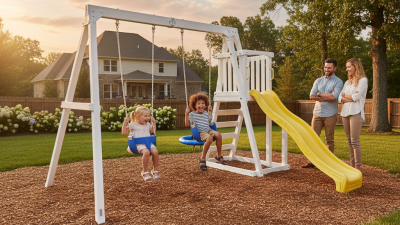
Consider daily use before choosing a design. Two belt swings work well for siblings who often play together. A wider frame may be better for a busy home or community space. Measure the ground area, then leave a generous fall zone around the frame. Soft, impact-absorbing surfacing is important. I once focused too much on seat style and underestimated the turning space. That was a useful mistake. Intended use should guide the frame, seat, height, and supervision needs.

Tips: Check every anchor before use. Test the swing with gentle pressure. Look for sharp edges, loose bolts, rust, and worn ropes. Keep the set on level ground. Follow the assembly instructions carefully, even if the installation seems simple. Children under close supervision may still use equipment beyond their skill level. That detail is easy to overlook. Inspect the set regularly, especially after storms or heavy seasonal use.
How to Choose the Best Playground Swing Sets?

Understanding swing set types and intended use

The chart shows typical intended age ranges for common swing types. Bucket swings are designed for toddlers, while belt swings suit older children. Tire, glider, and saucer swings generally require greater balance, coordination, or physical space. Always follow the equipment manufacturer's age, weight, installation, and supervision requirements.

Evaluating Safety Features, Materials, and Construction Quality

How to Choose the Best Playground Swing Sets?

Safety should guide every swing-set decision. A U.S. Consumer Product Safety Commission analysis of 1990–2000 emergency-department cases estimated 200,000 playground injuries annually. Falls caused about 44% of those injuries. That figure remains a useful warning. Check the swing’s protective surfacing, fall zone, seat height, and spacing. Look for enclosed hooks, secure connectors, and openings that cannot trap a child’s head. The set should also match the child’s age and body size.

Materials influence long-term safety. Powder-coated steel resists corrosion when its finish remains intact. Properly treated wood can perform well, but cracks, splinters, and standing water need regular attention. Rot hides easily near ground contact. Plastic seats should feel flexible, not brittle. During a hands-on inspection, shake each post and watch for movement at the anchors. A strong frame should not twist under ordinary use. ASTM F1148 provides a useful benchmark for home playground equipment, while ASTM F1487 addresses public-use equipment.

Construction quality is more than thick tubing or attractive colors. Bolts should sit flush, joints should align, and instructions should show exact anchoring methods. CPSC guidance also recommends routine inspection and impact-absorbing surfaces. No checklist catches everything. I would not trust a set simply because it looks heavy. Real yards are uneven, drainage changes, and maintenance is often forgotten. Recheck fasteners, rust, wood damage, and surfacing after severe weather.

Choosing the Right Size, Layout, and Age-Appropriate Design

How to Choose the Best Playground Swing Sets?

Choosing the Right Size, Layout, and Age-Appropriate Design

Choosing a swing set starts with measuring the available space, not browsing attractive designs. Leave generous clearance around every swing, including the front and rear movement zones. A level surface makes installation easier and reduces unexpected movement. Soft, impact-absorbing ground cover also matters. Grass can become hard and slippery after heavy use.

For younger children, choose a low platform, enclosed seats, and shorter swing chains. Hand grips should feel comfortable in small hands. Older children may need higher seats, stronger frames, and more room between swings. Check the equipment’s stated age range and weight limits carefully. A design that “grows with children” sounds practical, but it may not suit every stage equally.

Layout affects supervision as much as play value. Place the set where adults can see it from the house or seating area. Keep it away from fences, tree trunks, walls, and garden tools. I have found that crowded layouts create blind spots and awkward traffic. That detail is easy to miss. It deserves another look.

Choose sturdy materials and follow the installation instructions precisely. Local playground guidance can provide useful safety requirements, but conditions vary by region. Inspect bolts, seats, chains, and surfacing regularly. Even a well-built set needs adjustment over time. My own planning mistake was allowing too little space beside the slide. Children move unpredictably. Design for that reality.

Comparing Installation Needs, Maintenance, and Durability

How to Choose the Best Playground Swing Sets?

Choosing a swing set begins with the installation site, not the color or shape. Measure the area twice, including the swing’s forward and backward movement. Measure twice. A level surface reduces frame stress and helps prevent uneven swinging. Check the soil before installation. Loose ground may require deeper anchors or a reinforced base. Follow the manufacturer’s instructions and local playground safety guidance carefully. A rushed installation can create movement, sharp edges, or unstable posts.

Maintenance needs vary with weather and use. Inspect bolts, connectors, seats, ropes, and chains every month. Look for rust, cracked plastic, splinters, and fraying around contact points. Tighten loose hardware with the correct tools. Do not assume a quiet swing is a safe swing. After heavy rain, check for standing water near the posts. Wood may need sealing, while metal may require touch-up protection. These tasks are simple, but families often postpone them.

Durability depends on materials, drainage, construction, and daily habits. Galvanized metal usually handles moisture well, while treated wood can offer strength but still needs regular inspection. Plastic seats should resist cracking under sunlight and temperature changes. Ask for clear load limits and replacement-part information before buying. In my experience, the strongest frame can still fail when anchors loosen. I once underestimated how quickly damp soil shifts around a post. That mistake changed how I inspect outdoor equipment. A durable set needs care, not just sturdy materials.

How to Choose the Best Playground Swing Sets? — Comparing Installation Needs, Maintenance, and Durability
Swing Set Type Typical Materials Installation Requirements Recommended Safety Zone Routine Maintenance Expected Service Life Weather and Rot Resistance Best Use Case Overall Durability
Pressure-Treated Wooden Set Pressure-treated lumber, galvanized fasteners, molded or polymer seats Moderate to difficult. Requires leveling, assembly, anchoring, and often concrete footings. Two or more adults are usually recommended. At least 6 feet (1.8 m) around the equipment; more space may be needed for slide exits and climbing features. Inspect for splinters, loose hardware, cracks, and wood movement. Seal or stain exposed wood approximately every 1–3 years, depending on climate and product instructions. Approximately 10–15 years with proper care Good when properly sealed and kept off wet soil. Cut ends and areas that retain moisture require extra protection. Permanent residential play areas where a natural appearance and expandable design are important High
Cedar or Naturally Rot-Resistant Wood Set Cedar or other naturally decay-resistant wood, corrosion-resistant hardware, polymer components Moderate to difficult. Requires careful leveling and secure anchoring; heavier structures may need additional labor. At least 6 feet (1.8 m) around the equipment, with clear space beneath swings and in front of moving accessories. Check for splinters, loose bolts, surface checking, and water accumulation. Apply a suitable exterior finish when the wood begins to dry or fade. Approximately 8–15 years, depending on wood quality, drainage, and climate Good natural resistance to decay, but no wood is completely maintenance-free. Prolonged moisture and direct ground contact shorten service life. Backyards seeking a premium natural look and moderate maintenance requirements High
Powder-Coated Metal Set Galvanized or coated steel tubing, molded plastic or rubber swing seats Moderate. Usually requires basic tools, level ground, and ground anchors or concrete for stability. At least 6 feet (1.8 m) around the structure; verify the manufacturer’s swing-clearance requirements for each seat. Inspect coating damage, rust, sharp edges, welds, bolts, and anchor points. Touch up exposed metal promptly to limit corrosion. Approximately 10–15 years with good corrosion control Very good when the coating and galvanizing remain intact. Salt air, standing water, and scratches can accelerate rust. Families wanting a strong, low-splinter structure with relatively predictable maintenance High
Aluminum Swing Set Powder-coated or anodized aluminum, stainless or coated hardware, polymer seats Moderate. Typically lighter to handle than steel, but it still requires accurate assembly, leveling, and anchoring. At least 6 feet (1.8 m) around the equipment, or the larger clearance specified for the particular design. Wash periodically to remove dirt and salt. Check fasteners, joints, coating damage, and anchor points; avoid harsh abrasive cleaners. Approximately 10–20 years, depending on construction and exposure Excellent resistance to rust; surface oxidation and coating wear can still occur in coastal or highly polluted environments. Coastal climates or buyers who prioritize lighter weight and corrosion resistance High
Plastic or Resin Swing Set UV-stabilized molded plastic or resin, metal reinforcement where required Easy to moderate. Usually faster to assemble, but the base must still be level and the structure must be anchored as directed. At least 6 feet (1.8 m) around the structure, with additional clearance for slides or climbing elements. Clean with mild soap and water. Inspect for fading, brittleness, cracks, deformation, and loose connections; keep away from prolonged excessive heat where possible. Approximately 5–10 years, depending on UV exposure and material quality Good resistance to moisture and rot. Strong sunlight, freezing temperatures, and impact can reduce plastic flexibility over time. Younger children, smaller yards, or households seeking simpler assembly and cleaning Moderate
Modular Composite Set Wood-plastic composite or engineered panels, metal framing, polymer accessories Moderate to difficult. Components can be heavier, and careful alignment, leveling, and anchoring are essential. At least 6 feet (1.8 m) around the equipment, with clear access around all moving and climbing components. Rinse and clean surfaces, remove standing debris, and inspect joints, hardware, cracks, and water drainage areas. Follow the material-specific care schedule. Approximately 10–15 years Very good resistance to moisture, insects, and surface rot. Composite materials may still fade, expand, or contract with temperature changes. High-use residential settings where reduced wood maintenance is a priority High

Selection note: Service-life figures are typical estimates rather than guarantees. Actual performance depends on climate, UV exposure, drainage, installation quality, user weight limits, inspection frequency, and adherence to the equipment manufacturer’s instructions. Install swing sets over an appropriate impact-attenuating surface and inspect all components before each use.

Balancing Budget, Standards, and Long-Term Playground Value

How to Choose the Best Playground Swing Sets?

Balancing Budget, Standards, and Long-Term Playground Value

A good swing set should fit the budget without weakening safety or future usefulness. Start with the children’s ages, expected users, and available ground space. Measure the swing arc, entry points, and protective fall zone. A cheaper unit may appear attractive, but thin metal, weak joints, or untreated wood can create higher costs later. I once underestimated maintenance expenses on a busy play area. That mistake changed how I compare equipment.

Check local playground safety standards before purchasing. Look for clear installation instructions, stable anchoring, rounded edges, secure seats, and suitable impact-absorbing surfacing. Ask whether materials resist rust, moisture, ultraviolet damage, and heavy daily use. A qualified installer can confirm ground depth and structural stability. Standards are essential, but they do not replace regular human inspection.

Tips: Compare the five-year cost, not only the purchase price. Include delivery, installation, surfacing, inspections, repairs, and replacement parts. Choose adjustable seats when children may have different ages or abilities. Leave enough space for adults to supervise comfortably. Keep a written inspection log. It may feel excessive, but small cracks and loose bolts often appear before serious damage. Recheck the design after installation, because a plan can look perfect on paper and still feel cramped outdoors.