Top Backyard Playground Equipment Types for 2026
In 2026, families will continue looking for outdoor play that fits real yards, practical budgets, and children’s changing interests. Choosing backyard playground equipment is less about buying the biggest set and more about matching its features to the available space. A compact swing frame may suit a narrow lawn, while a climbing dome or play tower needs room around it. Measure the play area, including the space children need to move safely. Check the equipment’s recommended age range, weight limits, materials, and installation requirements before comparing prices. Small details matter.
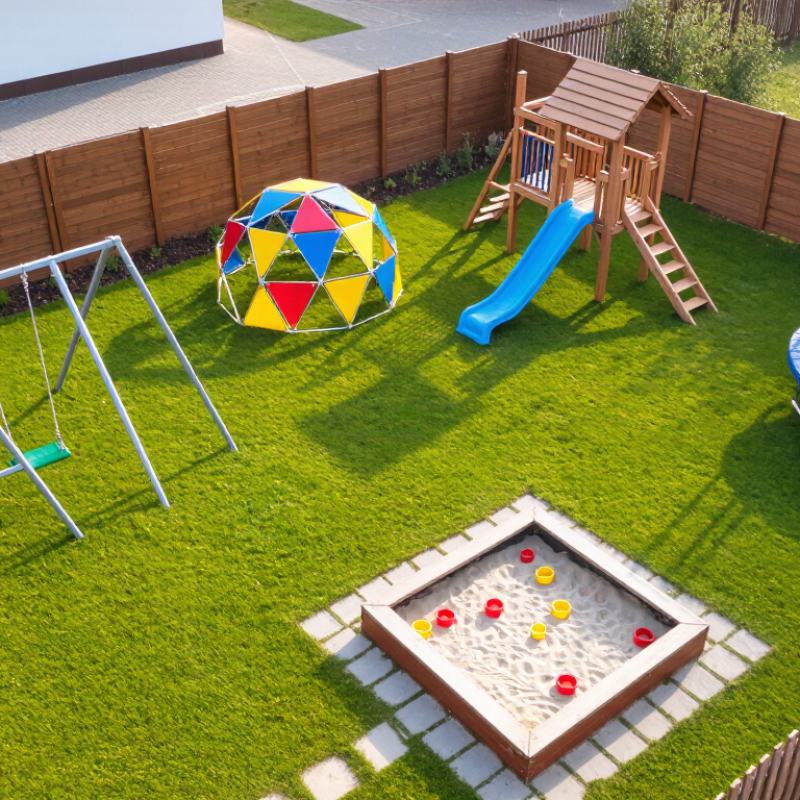
This guide explores popular options, including swings, slides, climbing structures, trampolines, and modular playsets. Each offers a different kind of activity, and none is perfect for every household. A slide can invite quick, energetic play; a sandbox encourages quieter, open-ended use. Some children may outgrow a structure sooner than expected. That possibility deserves consideration before a large purchase. Look for clear assembly instructions, sturdy construction, and surfaces that are manageable to inspect and maintain. Regular checks can help identify loose hardware, worn ropes, or damaged parts before play. Local weather also matters: strong sun, rain, and seasonal changes can affect materials over time. The right choice is usually the one families can supervise, maintain, and enjoy consistently—not simply the one with the most features. The following overview can help narrow the choices, while leaving room for each yard and family’s needs.
How Backyard Playground Equipment Is Classified
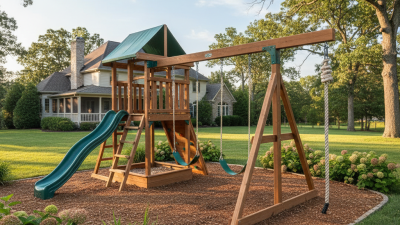
Backyard playground equipment is commonly classified by its structure, the activities it supports, and the children it is designed for. A swing set is a motion-based structure; a slide encourages climbing and descending; and a playhouse supports imaginative play. Many setups combine these features. They overlap.
Classification by activity helps families compare how children may use a space. Climbing frames challenge balance and grip, while swings involve repeated movement and require clear space around them. Slides need a stable approach and an unobstructed landing area. A small playhouse may suit quieter play, but it still needs a level base and enough room for children to enter and exit.
Equipment can also be grouped by materials and installation style. Wood structures often have larger footprints and need regular checks for splinters, loose bolts, or weather wear. Metal frames can feel sturdy, though exposed surfaces may become hot in direct sun. Plastic components are often lighter, but their condition and weight limits still matter. Age guidance is useful, not a substitute for supervision. Measure the yard, check the assembly instructions, and inspect joints and ground surfaces regularly. Real yards are rarely perfectly level, so the final layout may need a second look.
Climbing and Balancing Structures
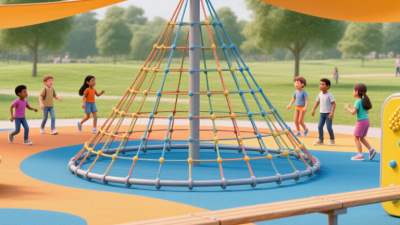
Climbing and balancing structures turn a backyard into a place for movement, not just a place to burn energy. A compact climbing wall, sturdy cargo net, or low balance beam can challenge coordination in different ways. Children may cross a beam slowly, arms stretched wide, then try again with quicker steps. Small details matter. Choose equipment that suits children’s ages and abilities, and leave enough clear space around it for safe movement. A structure that looks exciting can still be too demanding for a younger child.
Ground conditions deserve as much attention as the equipment itself. Use an appropriate impact-absorbing surface beneath climbing areas, and follow the equipment maker’s installation and spacing instructions. Check handholds, ropes, fasteners, and wooden parts regularly for looseness, wear, or splinters. Not always. A quick glance can miss a shifting post or a worn rope; hands-on checks are more useful. Keep the tallest climbing features within reach of adult supervision, and set simple rules about waiting turns and avoiding pushes. It is tempting to add more obstacles, but a crowded layout can make falls harder to manage. A few well-spaced challenges often invite better play—and leave room for children to invent their own routes.
Slides, Swings, and Other Motion-Based Equipment
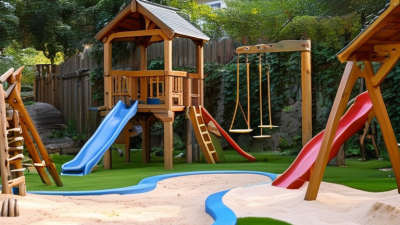
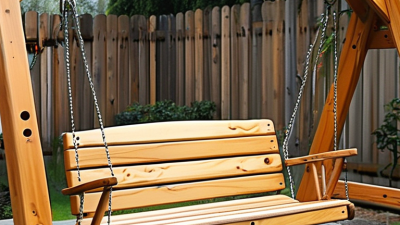
Slides, swings, and other motion-based equipment turn a backyard into a place for active play. A child grips the swing chains, pumps their legs, and learns how small movements change speed. Slides offer a different lesson: climbing, waiting, then balancing during the ride down. The Centers for Disease Control and Prevention recommends at least 60 minutes of daily physical activity for children ages 6–17. A backyard setup can make movement easier to fit into ordinary afternoons, though equipment alone cannot guarantee active play.
Motion brings practical design questions. Check that a swing’s path stays clear of fences, trees, and walking routes. Place slides on level ground, and choose landing areas that reduce impact. The U.S. Consumer Product Safety Commission’s Public Playground Safety Handbook reports that falls account for about 79% of injuries on public playgrounds. That figure does not describe backyard equipment specifically, but it underscores why fall zones and suitable surfacing matter. A soft surface is not a substitute for regular checks: look for loose fasteners, worn ropes, and sharp edges. I used to focus on the equipment itself; clearance around it deserves just as much attention. A swing can look harmless. It still needs space.
Top Backyard Playground Equipment Types for 2026
Slides, swings, and other motion-based equipment need suitable clearance and protective surfacing.
The U.S. Consumer Product Safety Commission recommends at least 6 feet of use zone around stationary equipment and at the sides of swings. Swing use zones in front and behind should extend at least twice the height of the pivot point. The 14-foot example shown assumes a 7-foot-high swing pivot; actual requirements depend on the equipment and installation.
Source: U.S. Consumer Product Safety Commission, Public Playground Safety Handbook. Planning reference only; check current guidance and equipment instructions.
Imaginative, Sensory, and Sports Play Features
Top Backyard Playground Equipment Types for 2026
Imaginative play features give an ordinary backyard a story. A low platform can become a ship, a lookout, or a small stage. Add a fabric canopy, a steering wheel, or a chalkboard, and children can change the scene themselves. Keep the details flexible. Too many fixed themes may limit play after the novelty fades.
Sensory features invite children to explore with their hands, ears, and feet. Think textured panels, a sand area, musical chimes, or a water table with simple channels. Small details matter: shade keeps touch surfaces more comfortable, while good drainage helps prevent muddy, slippery patches. Start with a few elements. More is not always better. Loud or crowded play zones can overwhelm some children, and every child responds differently.
Sports features can add movement without turning the yard into a formal training space. A low climbing wall, balance beam, or adjustable basketball hoop encourages coordination and active play. Choose equipment suited to children’s ages and abilities, and follow the maker’s installation and inspection guidance. Provide clear landing space and supervise use, especially around climbing equipment. A common mistake is planning for the yard’s appearance before considering how children actually move through it. Leave room to run, pause, and change the game.
Choosing Equipment by Age, Space, Materials, and Safety
Top Backyard Playground Equipment Types for 2026
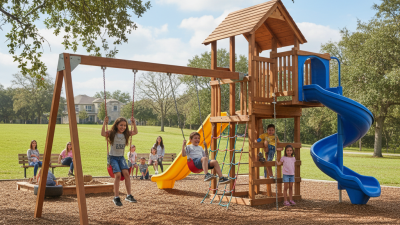
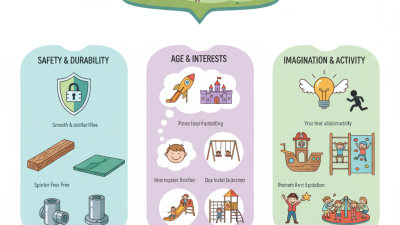
Choose equipment around the child, not the catalog. Toddlers need low platforms, short slides, and enclosed steps they can manage without a running start. Older children may enjoy climbing nets, swings, or a compact play tower. CDC materials have cited roughly 200,000 U.S. emergency-room visits each year for playground-related injuries among children. That figure covers playgrounds broadly, not backyard equipment alone, but it makes supervision and fall protection hard to dismiss. Even a familiar swing can become risky when the ground is packed and hard.
Measure the usable area, including the space where a swing travels and where a child might land. A small yard may suit a single climbing feature better than a crowded multi-activity structure. CPSC’s Public Playground Safety Handbook gives age-specific design guidance; its recommendations concern public playgrounds, so check equipment instructions for home use too. For surfacing, compare depth and upkeep: loose-fill material can shift, while a unitary surface needs suitable installation. ASTM F1148 is a safety standard for home playground equipment, useful when checking product specifications. Details matter.
Materials change the maintenance routine. Inspect wood for splinters and hardware for looseness; check metal parts for rust and hot surfaces in direct sun. I would leave room to grow, but not buy equipment that a young child cannot use safely now. That trade-off is easy to underestimate.