• Monday

    9:00-5:00

  • Tuesday

    9:00-5:00

  • Wednesday

    9:00-5:00

  • Thursday

    9:00-5:00

  • Friday

    9:00-5:00

  • Saturday

    9:00-4:00

  • Sunday

    CLOSED

How to Choose the Best Swing Sets for Kids in 2026?

Choosing swing sets for kids in 2026 is not just about bright colors or a tempting price. The right set should fit your child’s age, your yard, and the space needed for safe movement. A small detail matters: measure the full swing arc, not only the frame. Then check the ground beneath it.

Safety deserves more attention than a product photo usually gets. The U.S. Consumer Product Safety Commission’s Public Playground Safety Handbook identifies falls as a major source of playground injuries and recommends impact-absorbing surfacing under and around equipment. Its guidance is written for playgrounds, so it should not be treated as a guarantee for a backyard set. Still, it offers useful questions for shoppers: Is the landing area clear? Are the anchors secure? Can an adult inspect the hardware easily? ASTM International’s F1148 standard also covers residential play equipment, including swing sets; ask manufacturers which safety standards their products meet.

Materials and maintenance matter, too. Pressure-treated wood, powder-coated steel, and weather-resistant plastics each age differently outdoors. Look closely at joints, chains, seats, and exposed bolts. A sturdy-looking frame can still loosen over time. That part is easy to overlook.

This guide explains how to compare frame design, age and weight limits, installation needs, safety features, and long-term upkeep. It also weighs practical trade-offs, because the biggest set is not always the best fit. Check the manufacturer’s instructions, measure your yard, and plan for regular inspections before choosing. A checklist helps, but it cannot replace careful assembly or supervision.
How to Choose the Best Swing Sets for Kids in 2026?

Understanding Swing Set Types and Their Intended Uses

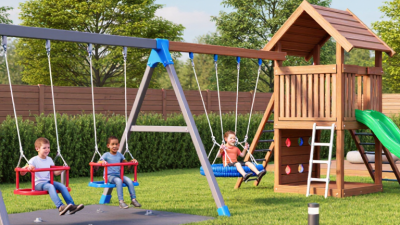
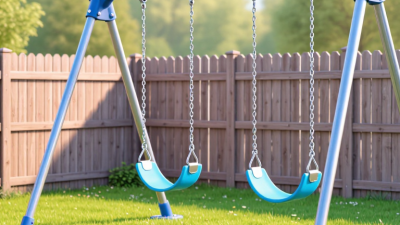
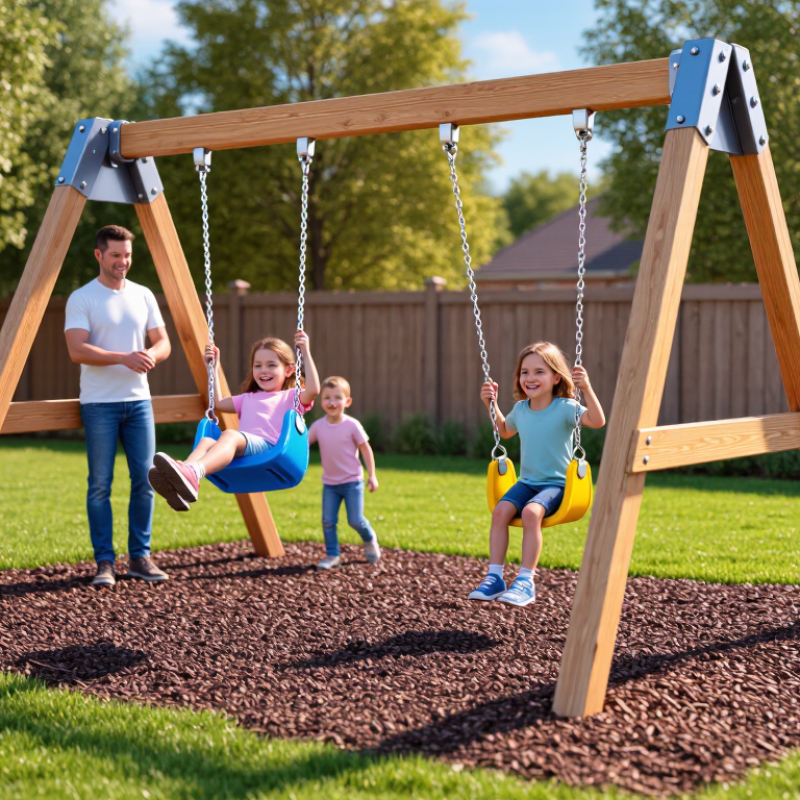
Swing sets are designed for different ages, spaces, and ways of playing. A basic A-frame set suits families who mainly want traditional back-and-forth swinging. A toddler seat with a secure harness supports younger children, while belt seats are better for children who can sit independently. Always follow the manufacturer’s age and weight guidance, and supervise play.

Tips: Measure the full play area, not just the frame. Leave room for moving swings and a clear route around the set. Check that the ground is level, and use an appropriate impact-absorbing surface beneath and around play equipment. A compact set may fit neatly, but it can feel cramped once children start moving.

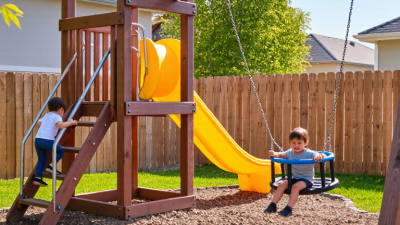
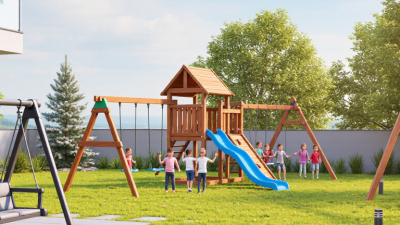
Sets with slides, climbing walls, or play decks offer more varied activity and may suit older children with room to explore. A tire or glider swing needs extra clearance and may work best where several children can play together safely. Think about who will use the set now and how their needs may change. It is easy to overvalue extra features; sometimes a sturdy swing and enough open space are the better choice. Recheck fasteners and worn parts regularly, since outdoor equipment changes with weather and use.

Assessing Children’s Ages, Space, and Play Needs

Start with the child, not the catalog. A preschooler may need a low seat and simple handholds, while an older child may enjoy a higher arc or room to pump independently. Check the equipment’s stated age range, then consider the child’s height, coordination, and confidence. Children differ. A swing that looks manageable in a photo can feel intimidating in a backyard.

Measure the full play area, including the space a moving swing needs. The U.S. Consumer Product Safety Commission’s Public Playground Safety Handbook recommends a swing use zone extending at least twice the pivot height in front of and behind the swing. Check overhead branches, fences, windows, and hard paths, too. A paper plan can mislead; slopes and tree roots change the usable footprint. Measure it twice.

Match the setup to how children actually play: solo swinging, taking turns, or playing alongside siblings. The Centers for Disease Control and Prevention recommends 60 minutes of daily physical activity for children ages 6–17, so a swing can support active outdoor time without replacing other movement. Safe Kids Worldwide’s 2015 playground safety report cited more than 200,000 annual U.S. emergency-room visits for playground-related injuries among children 14 and younger. That figure covers playgrounds broadly, not residential swings alone, but it makes safe spacing and suitable surfacing worth careful attention.

How to Choose the Best Swing Sets for Kids in 2026

Assess children’s ages, available space, and play needs before choosing a swing set.

Space planning: CPSC playground guidance specifies a front-to-back swing use zone of twice the pivot height. The bars show calculated examples: a 4-foot pivot height requires an 8-foot zone, a 5-foot height requires 10 feet, and a 6-foot height requires 12 feet. Check the swing set’s age and weight ratings, use-zone requirements, and installation instructions before buying; the required side clearance and surfacing should also be considered.

Comparing Materials, Design, and Safety Features

When comparing swing-set materials, consider the climate and the time you can give to upkeep. Weather-resistant timber feels sturdy and blends into a yard, but it needs checks for splinters, cracks, and loose bolts. Coated metal can be easier to clean; inspect joints for rust and touch the seat on sunny days, since metal may become hot. No material is maintenance-free. That trade-off is easy to miss.

Design affects how children actually use the set. Measure the full footprint, including the clear space around moving swings, before choosing a frame. A wide base and stable anchors matter more than extra accessories. Check seat height and swing spacing, too: children should move freely without bumping into the frame or one another. A compact design may fit neatly, but can feel crowded as kids grow.

Safety details deserve a close look. Choose seats suited to each child’s age and size, and follow the maker’s assembly and weight instructions. Look for smooth edges, covered hardware, secure chains, and no obvious finger-trap gaps. Install the set on a level surface with an appropriate impact-absorbing ground covering; grass alone may not cushion a fall reliably. Recheck anchors and fasteners regularly. Even a careful setup can loosen over time.

Checking Installation Requirements and Long-Term Durability

Before choosing a swing set, measure the full play area, not just the frame. Leave the clearances specified in the assembly guide around each swing path and slide exit. Check overhead branches, fences, paving, and nearby doors. Measure twice. A set that fits on paper may feel cramped once children start moving.

Installation conditions matter as much as the frame. Confirm that the ground is level and the listed anchors suit your soil and surface. If posts need digging, check for buried utility lines first. Follow the anchoring and tightening instructions; loose joints can shift after repeated swinging. Don’t improvise. Correct an uneven base before assembly instead of masking the slope with loose fill.

For durability, inspect places where water collects and hands repeatedly touch. Even weather-resistant wood needs checks for splinters, cracks, and soft spots. Metal frames need attention to chipped coatings, rust, and loose fasteners, especially after wet seasons. Keep a simple maintenance log. Dates help. Recheck bolts after the first few weeks, then follow the manual’s inspection schedule. Replace damaged parts with compatible ones, not a close-looking substitute. Careful checks can still miss things, so look again after storms or heavy use.

Evaluating Swing Sets Before Making a Purchase

How to Choose the Best Swing Sets for Kids in 2026?

Evaluating Swing Sets Before Making a Purchase

Before comparing colors or extras, measure the play area. Leave clear space around the frame and check the maker’s recommended fall zone. A swing that fits between two fences may still lack room for safe movement. Measure twice. Note nearby trees, paths, and windows, too.

Look closely at the frame, joints, and hardware. Metal should feel sturdy and resist rust; wooden parts should be smooth, without splinters or sharp edges. Check the stated age and weight limits for each seat, not just the whole set. These numbers matter. Also ask whether anchors are included and what ground surface the instructions recommend. Grass can look soft, but it may not cushion a fall as well as a suitable impact-absorbing surface.

Think about who will use the set now—and how that might change. A toddler seat may be useful today but outgrown sooner than expected. Check that seats can be adjusted or replaced, and that spare parts are available. Read the assembly instructions before buying; a complicated build can take longer than a weekend afternoon. I’d admit that extra features can be tempting, yet a simple, well-fitted set may suit your yard better. Recheck bolts and inspect ropes regularly after installation.

How to Choose the Best Swing Sets for Kids in 2026? - Evaluating Swing Sets Before Making a Purchase

Evaluation Factor What to Check Practical Buying Guide Why It Matters
Age and developmental stage The manufacturer’s stated age range and the design of each seat, ladder, and play feature. Choose equipment intended for the children who will use it now; check whether younger children need a bucket-style seat and close adult supervision. A swing set that is too advanced or not suited to a child’s size and abilities can increase the risk of falls or misuse.
Capacity and weight limits Maximum user weight per seat and for the overall structure, if specified; number of users allowed at one time. Compare the published limits with the intended users. Do not assume that a set’s total capacity can be divided evenly among its seats. Loads vary by component, and exceeding the stated limits can compromise stability or cause parts to fail.
Available yard space The assembled dimensions, required clearance, swing travel area, and access for installation and maintenance. Measure the site and compare it with the manufacturer’s layout and clearance instructions before purchasing. Include room for gates, fences, trees, and walkways. The frame’s footprint alone does not show how much unobstructed space is needed around moving swings.
Protective surfacing The ground material beneath and around the equipment, its coverage, and its maintenance requirements. Plan for a suitable impact-absorbing surface, such as properly maintained engineered wood fiber, rubber mulch, or an appropriate unitary surface. Follow applicable guidance and product instructions for material and depth. Grass, soil, and hard surfaces such as concrete do not provide equivalent impact protection. Loose-fill materials can compact or become displaced.
Frame and materials Frame material, finish, connection hardware, corrosion protection, and care instructions. Look for clear material specifications and an inspection or maintenance schedule. For wood, check how it should be sealed and inspected; for metal, check the finish and corrosion-care guidance. Outdoor exposure, wear, and loose or corroded connections can affect the equipment’s condition over time.
Anchoring and ground conditions Required anchors, installation method, soil suitability, and any restrictions for slopes or uneven ground. Use the specified anchoring method and install the set on a stable, level site as directed. Do not substitute anchors without confirming they are suitable. Anchoring helps resist movement and tipping during use; installation needs can vary with the structure and site.
Safety information and standards Warnings, assembly instructions, maintenance guidance, and any stated compliance with applicable standards. Read the complete manual before buying. In the United States, ASTM F1148 covers home playground equipment; confirm the exact product’s documentation rather than relying on a general claim. Clear documentation helps buyers assess intended use, installation requirements, and ongoing checks. A standards reference should not be mistaken for a government endorsement.
Assembly and long-term upkeep Assembly time and tools, number of installers recommended, replacement-part availability, and routine inspection tasks. Check whether professional assembly is available or practical, and confirm how to obtain replacement parts. Plan to inspect hardware, seats, ropes, and structural members regularly. Correct assembly and ongoing maintenance are essential to keeping the equipment in usable condition.

Before use, follow the product manual and inspect the equipment and surrounding area. Keep children under appropriate adult supervision.