2026 Best Outdoor Swing Set Types for Global Buyers?
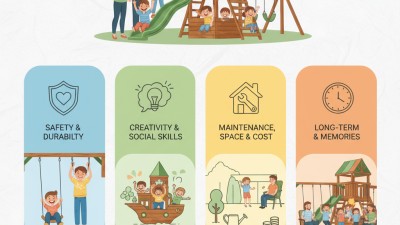
Choosing the right outdoor swing set in 2026 requires more than comparing colors, prices, and online ratings. Global buyers face different climates, garden sizes, child age groups, and installation conditions. A compact belt swing may suit an urban balcony garden, while a wooden playset with slides and climbing features fits a spacious family yard. Metal frames can offer strong structural support, but they may become hot under direct sunlight. Timber looks warm and natural, yet it needs regular inspection and surface care.
Playground researcher Dr. Joe Frost has stated, “Play is the business of childhood.” That idea remains important when evaluating swing set types. A swing should encourage movement, imagination, and shared play, not simply fill an empty corner. Buyers should examine seat design, frame stability, fall zones, anchoring methods, and age-appropriate layouts. Regional safety expectations also deserve attention. Certification can help, but it does not replace careful assembly or routine checks.
There is no perfect model.
Some purchasing advice remains too general. It often ignores humidity, salt air, winter frost, and limited maintenance skills. This guide compares traditional swings, toddler models, tire swings, platform sets, and modular systems for international buyers. It also considers shipping dimensions, replacement parts, installation support, and long-term value. A cheaper set may become expensive after rust, cracked plastic, or missing hardware appears. The best outdoor swing set is not always the largest one. It is the model that matches the children, location, climate, and daily supervision available.
What Is an Outdoor Swing Set and How Is It Used?
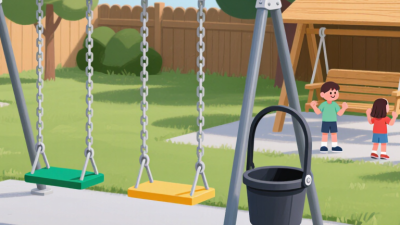
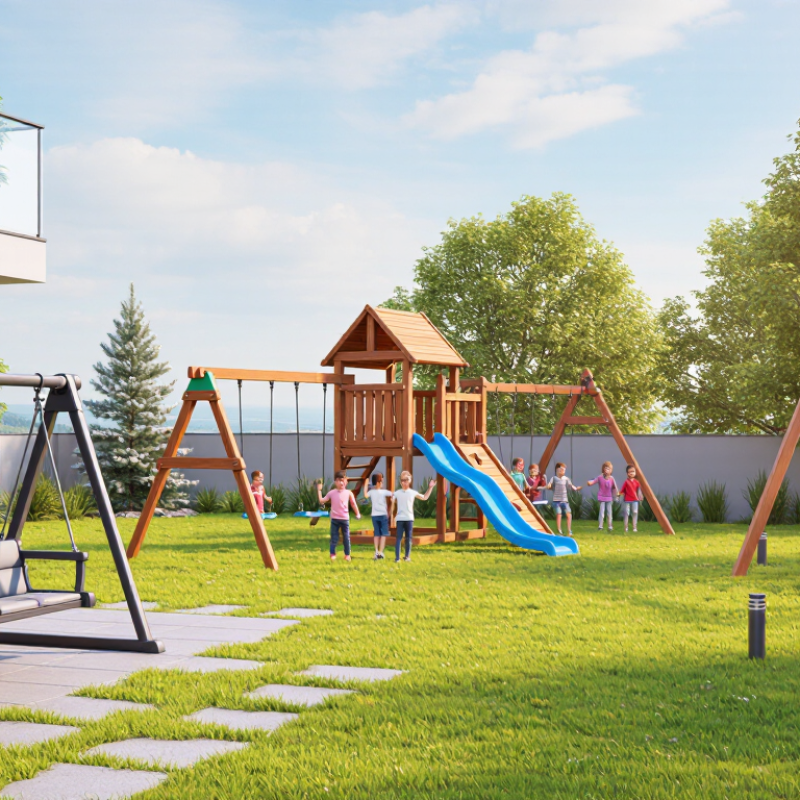
An outdoor swing set is a freestanding play structure with suspended seats, support beams, and protective ground space. Children use it by shifting their body weight, gripping chains or ropes, and controlling forward movement. It can support balance, coordination, and active outdoor play, not just entertainment.
The World Health Organization recommends at least 60 minutes of moderate-to-vigorous physical activity daily for children aged 5–17. A swing set can contribute to that target when children push, climb, walk, and play nearby. Movement matters. Quiet sitting does not count.
Professional guidance also affects how buyers should assess a set. The U.S. Consumer Product Safety Commission’s Public Playground Safety Handbook highlights safe swing spacing, stable anchoring, protective surfacing, and regular inspections. European buyers may also review EN 1176 requirements, while other regions use local equivalents. These details matter more than decorative features.
Check the ground first.
A practical inspection includes loose bolts, worn ropes, sharp edges, trapped fingers, and waterlogged soil. I have seen product decisions focus too heavily on color and seat design. That is a mistake, though budget limits are real. Weather, available space, children’s ages, and maintenance skills should guide the purchase. A compact two-seat model may suit a small garden, while a larger frame needs deeper planning and stronger installation. Even excellent equipment becomes unsafe when installed poorly.
Which Swing Set Types Will Suit Different Outdoor Spaces?
Choosing a swing set starts with the outdoor space, not the number of seats.
For compact yards, a single-seat A-frame leaves more room for walking, planting, and supervision. Measure twice. Its narrow footprint suits patios and small gardens, but the required fall zone can still exceed the frame’s width.
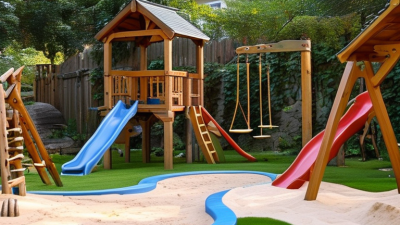
Medium-sized gardens often benefit from a two-seat modular set with a slide or climbing panel. Separate activity zones reduce crowding and make daily supervision easier.
The U.S. Consumer Product Safety Commission reports nearly 200,000 playground-related emergency injuries annually, with falls representing about 75 percent of cases.
This figure covers public playground equipment, not home sets, but it remains a useful design warning. Impact-absorbing surfacing and secure anchoring matter more than decorative features.
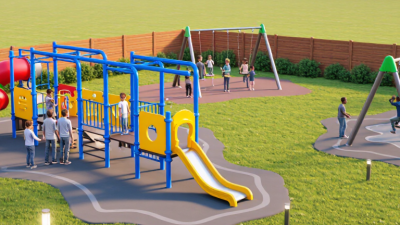
Large outdoor spaces can support multi-bay systems with belt seats, toddler seats, and climbing elements.
Choose adjustable layouts when family needs may change. On sloped ground, level the installation area rather than relying on longer anchors. Coastal buyers should check corrosion resistance, while colder regions need materials that tolerate freezing and repeated moisture.
ASTM F1148 provides a recognized safety framework for home playground equipment, although local installation rules may differ. Real-world fitting is imperfect. A beautiful set can still be unsuitable if adults cannot reach every seat or inspect hidden joints.
How Do Materials and Designs Affect Safety and Durability?
For global buyers, a swing set’s material often predicts maintenance needs, not safety alone. Powder-coated steel resists insects and warping, but exposed cuts can rust quickly in coastal air. Treated timber feels warm and absorbs impact better, yet it may split around drilled holes when moisture enters. Recycled plastic stays light and corrosion-free, although strong sunlight can cause fading or brittleness. Material choice should match climate, soil, and expected use.
Design details decide how those materials perform. A-frame legs need wide footprints, firm ground anchors, and joints that cannot loosen under repeated motion. Enclosed bearings usually protect fingers better than open hooks. Flexible seats reduce sharp contact, while generous clear zones help prevent collisions with fences, walls, and other equipment. Check the age range, maximum load, fall height, and replacement-part support before buying. Local safety requirements may differ, so compare product documents with regional rules.
During practical inspections, I look beneath the bright finish. I check welds, timber end grain, bolt caps, pinch points, and drainage holes. Small gaps can trap fingers. Hidden water can weaken posts. A heavier frame is not automatically safer. Poor anchoring can still let it shift. I also question claims about maintenance-free surfaces. Outdoor structures need periodic tightening, cleaning, and checks after storms. Careful advice still has limits, because soil movement and unpredictable play can reveal weaknesses that showroom tests miss.
What Features Should Global Buyers Compare Before Purchasing?
2026 Best Outdoor Swing Set Types for Global Buyers?
Global buyers should compare swing set features before comparing prices. Start with the frame. Galvanized steel resists rust, while treated wood offers a warmer appearance but needs regular sealing. Check tube thickness, joint design, anchor points, and the stated user weight. A tall set may look impressive, yet it can require deeper foundations and a larger safety zone.
Measure twice. Children change quickly.
Compare safety details with care. Look for rounded edges, covered bolts, secure swing seats, and impact-absorbing ground material. Ask suppliers for current test reports, warning labels, assembly instructions, and maintenance guidance. Standards differ between countries, so buyers should confirm local requirements before ordering. A report alone does not prove safe installation. The installer’s work matters too.
Weather exposure deserves equal attention. Coastal air, intense sunlight, snow, and heavy rain can affect different materials within one season. Request information about corrosion protection, UV resistance, drainage, and replacement parts. Also examine packaging, delivery damage procedures, spare hardware, and warranty coverage. In practical purchasing reviews, unclear manuals often create more trouble than weak-looking equipment. That is an uncomfortable point, but it deserves attention. A low purchase price may become expensive after missing bolts, difficult assembly, or unavailable seats. Ask for photographs of real installations, not only polished product images.
How Can Buyers Evaluate Installation, Maintenance, and Compliance?
For global buyers, choosing a swing set type starts with the installation site, not the catalogue image. Timber, metal, and mixed-material sets require different foundations, tools, and inspection routines. Measure the fall zone carefully. Check the ground.
In field inspections, I look for stable anchoring, level posts, rounded edges, and clear spacing between swings. The installation manual should show bolt sizes, torque requirements, anchor depth, and recommended surfacing. Buyers should ask whether local contractors can follow these instructions accurately. A complex design may look attractive, yet it can create assembly errors. Even experienced installers sometimes miss a buried anchor or uneven platform.
Maintenance planning should cover every season. Inspect fasteners, welds, timber cracks, rope wear, sharp edges, and surface damage. Rain, salt air, and strong sunlight can shorten service life. Keep records. Replacement parts should have clear specifications and traceable supply. Compliance requires more than a general safety statement. Request current test reports, material information, age guidance, and evidence of conformity with relevant local requirements. Standards such as EN 1176 or ASTM F1487 may apply, but acceptance rules differ by market. A certificate alone is not enough. Buyers should verify its scope, testing date, product model, and issuing laboratory. I have seen paperwork look complete while omitting the actual swing-seat configuration. That detail deserves another review.
2026 Best Outdoor Swing Set Types for Global Buyers
How can buyers evaluate installation, maintenance, and compliance?
Evaluation scale: 1 = more demanding or complex; 5 = easier to install, maintain, or evaluate for compliance. Scores are a practical buyer-oriented comparison based on typical product configuration and installation requirements, not company or brand performance.
Buyer guidance: Confirm fall-zone dimensions, anchoring, protective surfacing, entrapment prevention, age suitability, and inspection instructions against the regulations applicable in the destination market. Common reference frameworks include ASTM F1148, EN 1176, and the U.S. CPSC Public Playground Safety Handbook; applicability varies by product type and jurisdiction.