Menu
Monday
9:00-5:00
Tuesday
9:00-5:00
Wednesday
9:00-5:00
Thursday
9:00-5:00
Friday
9:00-5:00
Saturday
9:00-4:00
Sunday
CLOSED
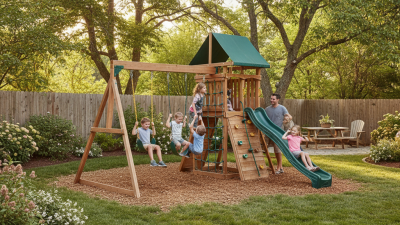
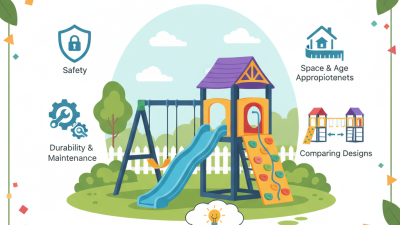
Choosing the right wooden playground involves more than selecting an attractive design from a catalog. A safe, enjoyable structure must fit your children, garden, budget, and long-term maintenance habits. Consider the available space first. Measure the play area, then reserve extra room for swings, slides, movement, and safe fall zones. A compact yard may suit a climbing frame, while a larger space can support multiple activity areas.
Age and ability should guide every feature. Younger children usually need low platforms, wide steps, and secure handrails. Older children may prefer climbing walls, ladders, monkey bars, and challenging play routes. Check the manufacturer’s age recommendations carefully. They are useful, but they cannot replace watching how your children actually play. Some children avoid tall platforms, while others quickly outgrow basic equipment.
Material quality matters as much as appearance. Look for responsibly sourced wood, smooth surfaces, rounded edges, strong fasteners, and weather-resistant finishes. Ask for clear installation instructions and safety documentation. Independent testing or recognized safety certifications can provide additional confidence. Still, paperwork is not everything. Inspect the structure regularly for cracks, loose bolts, splinters, water damage, or unstable posts.
Maintenance is often underestimated. Wooden playgrounds need cleaning, sealing, and seasonal checks. Rainy climates may require more frequent attention. Think honestly about your available time. A beautiful playground that becomes neglected can create avoidable risks. Budget for delivery, ground preparation, installation, and future repairs, not only the purchase price.
The best wooden playground is not necessarily the largest or most expensive. It is the one that balances safety, durability, enjoyment, and realistic care. Small compromises may be necessary. Make them consciously.
How to Choose the Best Wooden Playground for Your Needs?
Start by defining the playground’s purpose, users, and available space. A home play area may need climbing, sliding, and quiet imaginative play. A childcare setting may require wider circulation, clearer supervision, and different challenge levels. List the expected ages, physical abilities, and number of children. Keep the list practical. The U.S. Consumer Product Safety Commission reports more than 200,000 playground-related emergency visits each year. Its Public Playground Safety Handbook also identifies falls as the leading cause of reported injuries, accounting for about 79 percent. These figures make surface planning and fall zones essential, not optional.
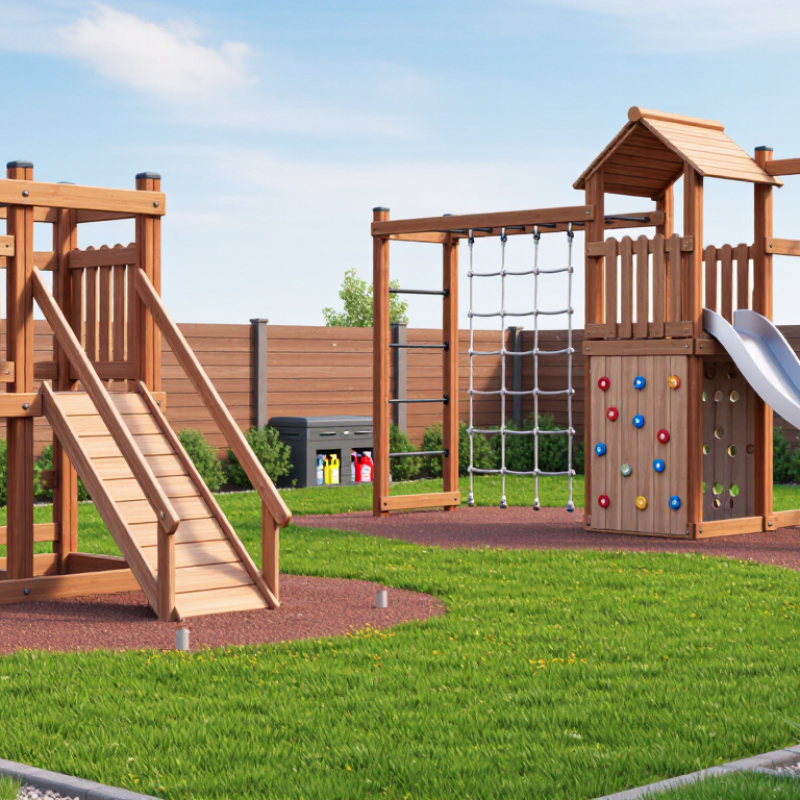
Measure the site before choosing a wooden structure. Record boundaries, slopes, tree roots, fences, doors, and adult viewing points. Leave enough clearance around swings, slides, and climbing components. A compact yard may suit a low platform with a short slide, while a community space can support several activity zones. Choose durable, smooth-finished timber, rounded edges, secure joints, and drainage that prevents standing water. Check the design against relevant standards, such as ASTM F1487, and follow the manufacturer’s installation instructions.
Do not design only for the most active child. Include low-risk entry points and varied challenges. I have seen attractive layouts become difficult to supervise because visual barriers were overlooked. That mistake is easy to repeat. Reconsider the plan from a caregiver’s eye level, then inspect the wood, fasteners, and surfacing regularly after installation.
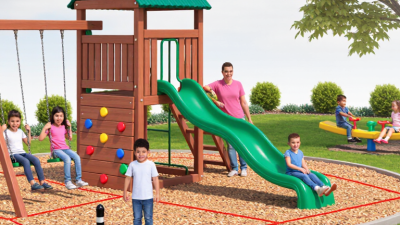
Define the playground’s purpose, users, available space, and essential safety dimensions before making a selection.
The chart presents key planning benchmarks from widely used playground safety guidance. A minimum 1.83 m use zone is commonly recommended around playground equipment, swing travel zones should extend approximately twice the height of the swing’s pivot point, and loose-fill surfacing depth depends on the equipment’s fall height. Always confirm local regulations and the manufacturer’s installation requirements.
How to Choose the Best Wooden Playground for Your Needs?
Compare Wooden Playground Designs, Sizes, and Activity Features
Choosing a wooden playground starts with the available space, not the most exciting accessory. Measure the installation area, then reserve a clear fall zone around every platform and swing. Compact designs suit smaller gardens, while larger structures need stable ground and easier adult supervision. A single tower with a slide saves space. A double-tower layout creates more climbing and social opportunities. Check the wood treatment, rounded edges, strong fasteners, and age guidance carefully.
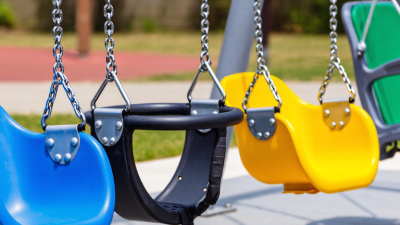
Activity features should match how children actually play. Younger children may prefer low steps, short slides, and easy-grip rails. Older children often need climbing walls, rope nets, monkey bars, or taller platforms. Swings require enough side clearance and a soft landing surface. I once focused too much on adding activities and overlooked movement between them. That mistake taught me that thoughtful spacing can matter more than quantity.
Tips: Sketch the playground on paper before buying. Mark doors, trees, fences, and viewing points. Ask whether one adult can see every active area. Choose adjustable or removable features if children’s interests may change. Inspect bolts, boards, and surface wear every season. Local safety guidance and professional installation advice can prevent expensive oversights. A slightly smaller playground may be safer, easier to maintain, and used more often.
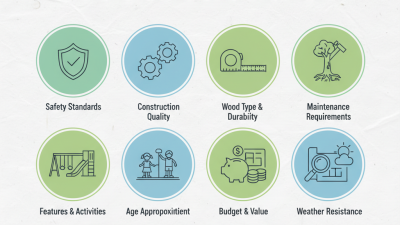
Choosing the best wooden playground starts with materials, not appearance. Look for pressure-treated or naturally durable wood, with documentation showing moisture resistance and safe-use treatment. Avoid cracked beams, exposed fasteners, sharp edges, and splintering surfaces. A small defect can become a hand injury after repeated use. Inspect the wood around joints, stairs, and ground contact points.
Construction quality matters more than decorative detail. Posts should remain stable when pushed, while platforms should feel firm under moving feet. Drainage gaps can prevent standing water and premature decay. The U.S. Consumer Product Safety Commission reported an estimated 205,892 playground-related injuries treated in emergency departments from 2001 to 2008. Its Public Playground Safety Handbook recommends impact-absorbing surfacing, guarded openings, and careful fall-zone planning. These details deserve attention.
Check whether the design follows recognized standards, such as ASTM F1487 or EN 1176, and ask for inspection records. Compliance supports safer design, but it does not replace supervision or maintenance. The Centers for Disease Control and Prevention also identifies falls as a major source of playground injuries. A safer setup needs enough clearance, suitable surfacing depth, and age-appropriate equipment. Test it physically. Wiggle the rails. Examine bolt caps. I once saw a beautiful timber structure with loose hardware beneath a platform; appearance had hidden the problem. Standards are useful, but careless installation can still undermine them.
How to Choose the Best Wooden Playground for Your Needs?
Installation conditions often determine whether a wooden playground performs well. Measure the available area, including fall zones and access paths. The ground should be level, stable, and free from standing water. Anchoring must match the soil type and structure design. I would also check delivery access before ordering. A narrow gate can turn a simple installation into an expensive problem. Follow the assembly instructions carefully, and use suitable tools. Local playground safety requirements should guide the final placement.
Maintenance deserves attention before purchase. Inspect platforms, steps, rails, and connections regularly. Look for splinters, loose bolts, cracked timber, and soft areas near the ground. Water collects there. Clean dirt from drainage gaps, then allow wet wood to dry fully. Reapply a suitable exterior treatment when the surface begins to fade or absorb water quickly. Do not hide damage with fresh paint. That mistake can delay repairs.
Durability depends on timber quality, construction details, and climate. Weather-resistant wood should tolerate rain, sunlight, humidity, and repeated freezing. However, no timber remains maintenance-free. Stainless or corrosion-resistant fasteners can reduce rust stains and weak joints. Rounded edges and sealed cut ends also help limit moisture entry. In coastal or very wet areas, inspect more often. I once underestimated how quickly shaded wood stayed damp; that small oversight encouraged early discoloration. A covered play area may reduce exposure, but it can also restrict airflow. Check both conditions before deciding.
| Assessment Dimension | Untreated Cedar Playground | Factory-Sealed Cedar Playground | Pressure-Treated Pine Playground | Hardwood Playground |
|---|---|---|---|---|
| Typical Best Use | Dry climates, covered yards, and buyers who prefer natural weathering. | Residential yards where a finished appearance and reduced initial maintenance are important. | Value-focused residential installations and locations where structural strength is a priority. | High-use settings that require dense, hard-wearing timber and a premium finish. |
| Installation Complexity | Moderate Usually requires two adults, basic tools, accurate leveling, and careful anchoring. |
Moderate Similar assembly requirements to untreated cedar; pre-finished surfaces should be protected from scratches. |
Moderate Heavy components may require additional lifting help; the base must be level and firmly anchored. |
High Dense, heavy components can make handling and alignment more demanding. |
| Recommended Installation Surface | Install on stable, level ground with an impact-attenuating surface such as engineered wood fiber, loose-fill rubber, or compliant rubber surfacing. Do not install directly over concrete, asphalt, or other hard surfaces. | |||
| Approximate Assembly Time | About 4–8 person-hours for a small-to-medium residential set, depending on design and site preparation. | About 4–8 person-hours for a small-to-medium residential set. | About 5–10 person-hours because heavier parts may slow positioning and fastening. | About 6–12 person-hours because of component weight and tighter fitting requirements. |
| Routine Maintenance | Moderate Inspect for splinters, loose fasteners, cracks, fungal growth, and water retention. Cleaning is generally seasonal. |
Low to Moderate Wash when needed and renew the protective finish according to the coating manufacturer’s instructions. |
Moderate Inspect for surface checking, fastener movement, corrosion, and areas where water collects. |
Moderate Regular cleaning and finish maintenance help limit surface cracking, staining, and moisture uptake. |
| Protective Finish Schedule | Optional in dry conditions, but a water-repellent exterior finish can improve appearance and reduce moisture absorption. Reapply as required by the product instructions. | Typically requires periodic recoating; the exact interval depends on sunlight, rainfall, wear, and the finish used. | A water-repellent stain or sealant can extend appearance and moisture protection; follow the coating manufacturer’s schedule. | Usually benefits from a suitable exterior wood finish, especially in wet or high-UV climates. |
| Expected Service Life | Often about 8–15 years in residential use when well-drained, inspected, and maintained; climate and ground contact can significantly change this range. | Often about 10–15 years in residential use when the finish and structural components are maintained. | Often about 10–20 years in residential use when properly treated, drained, anchored, and maintained. | Often about 15–25 years in residential use when the timber is suitable for outdoor exposure and maintained correctly. |
| Resistance to Moisture and Rot | Moderate Cedar has natural decay resistance, but exposed end grain, trapped moisture, and poor drainage can still lead to deterioration. |
Good The factory-applied coating improves water shedding, but damaged or worn areas must be repaired. |
Good Treatment improves resistance to decay and insects; cut ends and drilled areas may need additional protection. |
Good Dense hardwood can perform well outdoors, but it still requires drainage and protection from prolonged wetness. |
| Resistance to Sun and Heat | Moderate Natural color commonly fades to gray under ultraviolet exposure; heat can increase checking and surface dryness. |
Good A UV-resistant exterior coating can slow fading and surface weathering, but recoating is eventually necessary. |
Moderate Sun exposure can cause fading, drying, and surface checking without a suitable finish. |
Good Dense wood generally wears well, although prolonged sunlight can still fade the surface and degrade coatings. |
| Cold and Freeze–Thaw Performance | Moderate Works in cold climates when water does not remain in joints, end grain, or fastener areas. |
Good Proper sealing and regular inspection help limit moisture-related movement during freeze–thaw cycles. |
Good Suitable for cold regions when the structure is well anchored and drainage is maintained. |
Good Performs well when joints, finishes, and drainage details are maintained through seasonal movement. |
| Structural Durability | Moderate to Good Strong enough for many residential designs, but softer wood can dent or wear faster in high-use areas. |
Moderate to Good Structural performance depends on timber grade, member dimensions, connectors, and design quality. |
Good Commonly selected for strength and availability; inspect regularly for cracks, decay, and hardware movement. |
Very Good High density and hardness support heavy use, although weight can increase installation demands. |
| Splinter and Surface Considerations | Sand raised grain and splinters promptly; inspect slides, handholds, platforms, and high-contact edges frequently. | Inspect coating wear and exposed grain; repair damaged finish before the surface becomes rough. | Sand only as needed and follow the treatment supplier’s safety guidance when cutting or modifying components. | Inspect for raised grain and cracks; dense timber may still develop rough areas if neglected. |
| Best Climate Match | Dry to moderately wet climates with good drainage and partial shade. | Sunny or moderately wet climates where appearance retention is important. | Wet, variable, or high-use climates when the timber treatment and drainage are appropriate. | High-use or demanding climates where regular maintenance and a higher initial budget are acceptable. |
| Key Buying Checks | Confirm decay-resistant timber, rounded edges, corrosion-resistant hardware, and a clear maintenance plan. | Check the coating type, repair instructions, UV resistance, and whether replacement finish is readily available. | Verify the treatment is approved for the intended outdoor use and follow all safety instructions for treated wood. | Confirm the timber species, outdoor suitability, weight of components, finish requirements, and anchoring method. |
| Overall Suitability | Best for Natural Appearance A practical choice when the owner accepts regular inspections and gradual silver-gray weathering. |
Best for Lower Initial Maintenance A balanced option when appearance, weather protection, and simpler upkeep are priorities. |
Best for Value and Strength A suitable choice when budget, structural capacity, and broad climate compatibility matter most. |
Best for Long-Term Heavy Use A strong option for buyers prepared for higher handling demands and ongoing finish maintenance. |
When choosing a wooden playground, begin with your real budget, not the advertised price. Include delivery, ground preparation, safety surfacing, installation, and yearly maintenance. I once underestimated drainage work and spent more than planned. That mistake changed my buying process. Ask for a complete cost estimate, then keep a 10–15% reserve for surprises. It is not exciting, but it is practical.
Location should guide the playground’s size and design. Measure the available area, including safe clearance around swings and slides. Check sunlight, drainage, tree roots, and visibility from the house. A shaded corner may feel comfortable, but damp soil can shorten the wood’s service life. Soft, level surfacing is essential beneath climbing and sliding areas. Watch the water flow after heavy rain. An independent safety professional can review the layout before installation.
Think about how the playground will serve your family over time. Younger children may need low platforms, while older children require more challenging climbing features. Modular structures can adapt, but extra sections may increase maintenance costs. Choose durable wood, rounded edges, secure hardware, and a clear inspection routine. Inspect for cracks, loose bolts, splinters, and standing water each season. A small repair today is cheaper than a major replacement later. I would also question whether every feature will be used regularly; attractive additions can become expensive clutter.