• Monday

    9:00-5:00

  • Tuesday

    9:00-5:00

  • Wednesday

    9:00-5:00

  • Thursday

    9:00-5:00

  • Friday

    9:00-5:00

  • Saturday

    9:00-4:00

  • Sunday

    CLOSED

How to Choose the Right Outdoor Swing Set?

Choosing an outdoor swing set starts with the children who will use it, not the biggest frame in the catalog. Playground researcher Dr. Joe L. Frost’s work supports a practical principle: equipment should encourage play while matching children’s developmental abilities. That is not a one-size-fits-all rule. A toddler’s needs differ from a school-age child’s, and siblings may use the same set in very different ways.

Measure the yard before comparing models. Note low branches, fences, windows, and the space needed around moving swings. Then check the manufacturer’s age guidance, weight limits, materials, anchoring method, and maintenance instructions. A level, well-drained surface matters. So do secure connections and a clear landing area. Small details count. A seat that feels sturdy in a showroom may not suit your yard, your children, or the weather it will face.

It is easy to focus on features and overlook daily upkeep. That deserves a second look. Wood may need periodic care; metal and plastic have their own inspection needs. Choose a design that adults can check and maintain consistently. Consider how many children will play at once, whether the set can grow with them, and how much installation work you can realistically handle. The best outdoor swing set is not necessarily the largest or most elaborate. It is the one that fits your space, suits its users, and remains dependable through ordinary family life. Some compromises are unavoidable. Be honest about them before buying.
How to Choose the Right Outdoor Swing Set?

Assessing Users, Available Space, and Intended Use

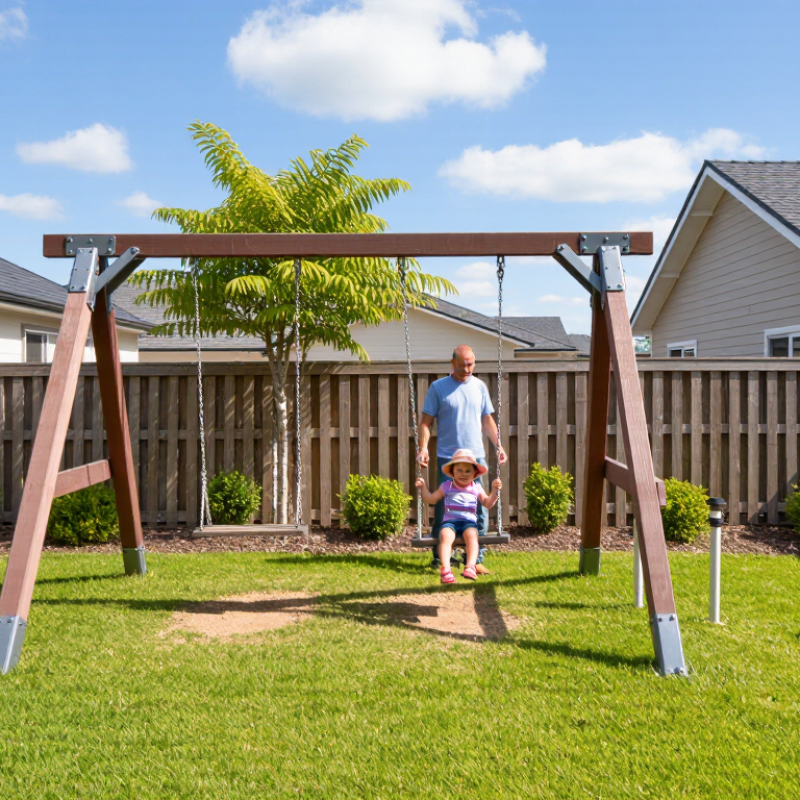
Choosing a swing set starts with the people who will use it. Note each child’s age, size, and confidence, plus whether siblings or friends will play together. A toddler needs a supportive seat and close adult supervision; older children may want a higher, more active swing. Check the equipment’s stated user limits rather than judging capacity by appearance. Small details matter.

Measure the full play area, not just the frame. Mark the swing’s travel path, then check for fences, walls, tree limbs, and walkways nearby. Leave room for children to approach and exit without crossing another swing’s path. The U.S. Consumer Product Safety Commission’s 2010 Public Playground Safety Handbook cited an estimate of more than 200,000 annual emergency-room visits linked to playground equipment. That figure covers playground equipment broadly, not swing sets alone, but it underscores why fall zones and impact-absorbing ground cover deserve attention.

Think about how the set will be used most days. One child enjoying a quiet afternoon needs a different layout from several children taking turns. Consider whether you want simple swinging or space for climbing and shared play. A sketch with measurements can reveal conflicts before installation. I still find it easy to overlook overhead branches. Check the site again from a child’s eye level, and follow the equipment instructions for spacing and surfacing.

Comparing Swing Set Materials, Designs, and Age Ranges

How to Choose the Right Outdoor Swing Set?

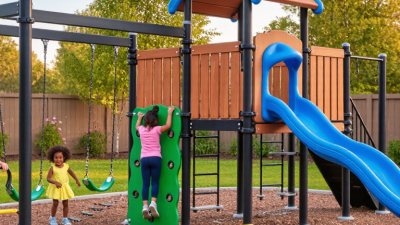
Materials affect upkeep, comfort, and how a set handles changing weather. Cedar and other outdoor-rated woods have a warm, sturdy feel, but they need regular checks for splinters, loose bolts, and weathering. Powder-coated metal often needs less routine care, though scratched areas may rust. Plastic components can feel smooth and resist moisture, but prolonged sun exposure may cause fading or brittleness. No material is maintenance-free.

Design should fit the yard as well as the children. Measure the area, then leave clear space around and beneath the swings for movement and safe access. A compact frame may suit a small lawn, while a larger structure can offer climbing features and multiple seats. Check that the ground is level and that the installation instructions specify suitable anchoring. Details matter. I once underestimated how far a swing travels; the fence was closer than it looked.

Age ranges are useful guides, not guarantees of fit. Toddlers generally need supportive seats and close adult supervision, while older children may prefer standard swings or climbing elements. Consider each child’s coordination, height, and confidence, and follow the manufacturer’s age and weight limits. Children grow quickly. A set chosen only for today may feel cramped next year, but buying the largest model is not automatically better. Recheck hardware and surfaces regularly, especially after harsh weather.

How to Choose the Right Outdoor Swing Set?

Compare swing-set materials and designs with the age range of the children who will use them.

Age guidance: The chart shows age groups used in the U.S. Consumer Product Safety Commission’s public playground guidance; these are not universal ratings for residential swing sets. Always follow the swing set’s age and weight limits, and supervise children.

Materials and design: Wood sets are sturdy but need regular checks for splinters, rot, and finish wear. Metal sets need checks for rust and damaged coatings. Plastic components are generally low-maintenance but can weather with sun exposure. Choose seat styles and structures suited to the children’s ages, size, and abilities.

Evaluating Safety Standards, Stability, and Equipment

A safe outdoor swing set begins with standards, not appearance.

Check whether the set meets a recognized play-equipment standard, such as ASTM F1148 in the United States, and confirm that it suits your children’s ages and weights. Standards can vary by location, so read the product documentation and local guidance rather than relying on a label alone. Look for smooth edges, covered bolts, secure connectors, and materials designed for outdoor exposure. Small details matter.

Stability depends on the ground and the frame. Place the set on level, well-drained ground, and use the anchoring method specified in its instructions. Before each play session, gently push the frame and watch for rocking, shifting legs, or loose hardware. Leave clear space around swings, with no fences, tree trunks, or paving stones in their travel path.

Check the seats, chains, ropes, and attachment points for cracks, rust, fraying, or unusual movement. One detail is easy to miss: equipment can loosen after repeated use, even when it looked solid at installation. It can feel overly cautious, but a quick check takes little time.

Tips: Keep the manual for reference. Tighten hardware as directed, not by guesswork. Recheck the ground after heavy rain, and stop using any part that feels unstable until it is repaired.

Planning Installation, Ground Surfacing, and Maintenance

Before ordering a swing set, measure the full play area, including the space swings need as they move. Check for low branches, fences, hard edges, and buried utility lines. A level site helps the frame sit evenly, but a slight slope can complicate installation and drainage. Follow the assembly instructions closely, and anchor the structure as directed. A rushed installation can leave small problems that are hard to spot later.

Plan the ground surface around the equipment’s fall height. Use a suitable impact-absorbing material, such as engineered wood fiber or approved rubber surfacing, and follow its specified depth and coverage requirements. Grass may look soft, but it can compact and offer unreliable protection. Keep the surface clear of stones, roots, and standing water. That detail matters.

Maintenance should fit the yard and local weather. After heavy rain or freeze-thaw cycles, check for shifted surfacing, loose fasteners, and water pooling near support posts. Inspect ropes, chains, seats, and connectors for wear; replace damaged parts before children use the set. A quick check takes minutes. It is easy to assume a sturdy frame needs little attention, but repeated movement gradually loosens connections. Keep a simple inspection note, even if you forget a date now and then.

Balancing Budget, Durability, and Long-Term Value

An outdoor swing set is not a one-season purchase. Compare the full ownership cost, not just the checkout price. Include delivery, anchoring, replacement seats, hardware, and inspection time. Wood can be sturdy, but it needs checks for splinters, cracks, and moisture damage. Coated metal may need less upkeep, though scratches can expose it to rust. Neither choice is maintenance-free.

The U.S. Consumer Product Safety Commission’s 2021 playground-equipment injury report estimated about 200,000 emergency-room-treated injuries nationwide. That figure covers many equipment types, not swing sets alone. Still, it highlights why stability and upkeep matter. ASTM F1148 sets safety requirements for home playground equipment; check whether the set’s instructions align with the standard. Think in seasons, not shopping days. Compare warranty terms for ropes, connectors, seats, and anchors, then check replacement-part availability. A cheaper frame can cost more when its hardware is difficult to source. Measure the fall zone, too; a sturdy set squeezed beside a fence is poor value. One caveat: durability claims rarely show how often a family must tighten bolts or recoat wood. Ask for a maintenance schedule and consider whether you can follow it.

How to Choose the Right Outdoor Swing Set? — Balancing Budget, Durability, and Long-Term Value

Typical comparison for residential swing sets. Costs and service life are approximate and vary by size, construction, climate, maintenance, and installation.
Set Type Typical Upfront Cost (USD) Durability & Expected Service Life Maintenance Needs Best Long-Term Value For What to Check Before Buying
Plastic $150–$700 Often best suited to younger children and lighter use. Sun exposure can fade or weaken some plastics over time; service life varies widely. Low. Clean periodically and inspect for cracks, fading, and loose connections. Families seeking a lower initial cost, a compact play area, or equipment for younger children. Weight and age limits, UV-resistant materials, stability, and whether the set can be anchored securely.
Powder-Coated Steel $300–$1,200 Rigid frame with relatively low upkeep. Coating damage can expose metal to rust, especially in wet or coastal locations. Low to moderate. Check joints and fasteners; touch up coating damage and watch for corrosion. Buyers who want a sturdy frame without the regular sealing that wood may require. Frame stability, corrosion-resistant finish, secure anchoring, smooth edges, and the stated user-weight limits.
Wood $700–$3,000+ Can provide a long service life when well-built and maintained. Moisture, insects, and neglected finishes can shorten it. Moderate. Inspect for splinters, rot, and loose hardware; reseal or stain as needed for the wood and local climate. Families wanting a larger, adaptable structure and willing to invest in periodic upkeep. Wood condition and treatment, hardware quality, replacement-part availability, and clear assembly and maintenance instructions.
Hybrid (Wood and Metal) $500–$1,800 Combines materials with different maintenance needs. Overall lifespan depends on the frame design, connections, and exposure to weather. Moderate. Inspect both wood sections and metal joints; maintain each material as recommended. Shoppers looking for a balance of structural support, appearance, and purchase price. How the materials connect, whether water can collect at joints, anchoring requirements, and availability of replacement components.

Value tip: Compare the total cost of ownership—not just the purchase price. Include delivery, assembly, anchoring, replacement parts, and expected maintenance. Before use, follow the set’s installation instructions, weight limits, and age guidance; check the equipment and surrounding play area regularly.