Menu
Monday
9:00-5:00
Tuesday
9:00-5:00
Wednesday
9:00-5:00
Thursday
9:00-5:00
Friday
9:00-5:00
Saturday
9:00-4:00
Sunday
CLOSED
Choosing the right backyard playground equipment supplier involves more than comparing prices or browsing colorful product photos. A safe, durable play area depends on material quality, structural design, surface treatment, installation support, and dependable after-sales service. This guide introduces ten leading Chinese suppliers and examines how their products may suit schools, residential communities, resorts, and private gardens.
As playground scholar Dr. Joe L. Frost puts it, “Play is the business of childhood.” That idea matters when evaluating equipment. A climbing frame should encourage movement, imagination, and social play. It should also provide stable handrails, rounded edges, secure fasteners, and suitable fall protection. Small details matter.
The suppliers featured here are assessed through practical criteria, including manufacturing experience, customization capability, quality-control procedures, export history, product documentation, and communication reliability. Certifications can offer useful evidence, but they should not replace independent verification. Buyers should request current test reports, installation drawings, maintenance guidance, and reference projects before signing an order.
No supplier is perfect. Some may offer stronger designs but slower communication. Others may provide competitive pricing while limiting customization. That trade-off deserves attention. Product photographs can also hide weak welds, thin materials, or unclear safety gaps. This overview is therefore a starting point, not a final purchasing decision. Readers should compare specifications carefully and confirm local safety requirements before choosing backyard playground equipment for children.
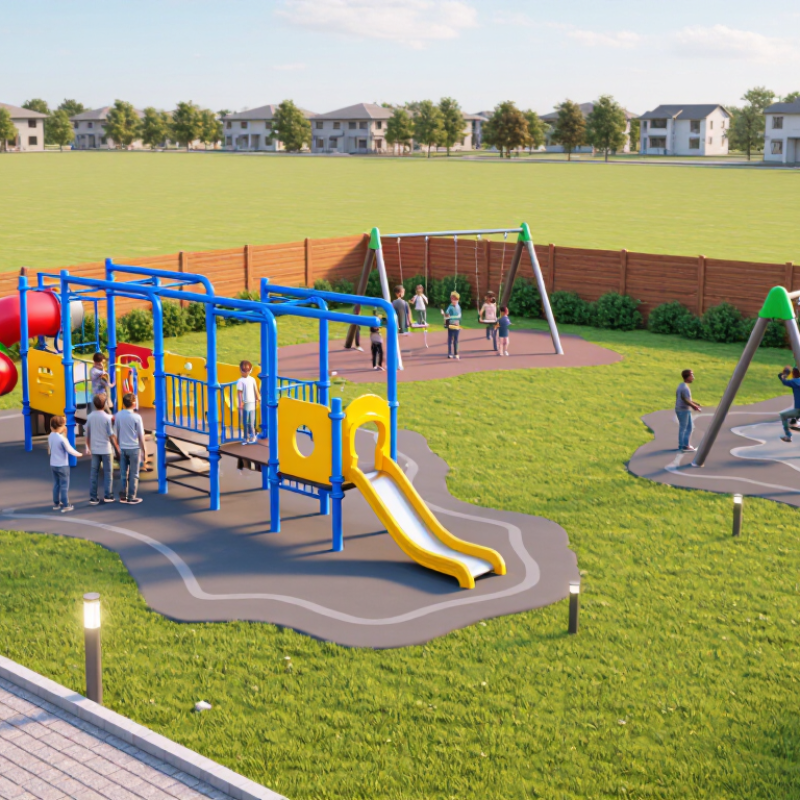
Backyard playground equipment is a home-based outdoor structure designed for climbing, swinging, sliding, balancing, and imaginative play. Common components include platforms, ladders, swings, slides, rope bridges, and protective surfacing. Unlike indoor toys, these systems require permanent installation, impact control, and regular inspections. The U.S. Consumer Product Safety Commission reports more than 200,000 playground-related emergency department visits among children annually in recent estimates. That figure makes equipment selection a safety decision, not simply a buying decision.
A suitable structure should match children’s ages, heights, abilities, and available yard space. Swing seats need secure connectors and enough front and rear clearance. Slides should have stable handrails, smooth edges, and a safe exit area. Loose-fill surfacing, rubber tiles, or engineered grass can reduce injury severity during falls. The World Health Organization recommends at least 60 minutes of moderate-to-vigorous activity daily for children aged 5 to 17. A well-planned backyard set can support that movement without turning the yard into a crowded obstacle course.
When comparing playground equipment suppliers, check documented testing, installation guidance, material specifications, and replacement-part availability. Look for compliance with recognized standards such as ASTM F1487 and CPSC public playground guidance, even for private residential use. I once underestimated drainage around a play tower; rainwater softened the ground and loosened one support. That mistake showed me that a strong frame still needs careful soil preparation, routine bolt checks, and honest reassessment after every season.

A credible supplier ranking needs more than attractive catalogs and low quotations. Grand View Research estimated the global playground equipment market at about USD 5.8 billion in 2023, with continued growth expected through 2030. This growth increases supplier choices, but it also makes verification more important. Each Chinese supplier should be reviewed through factory experience, material control, safety testing, and export performance.
Safety receives the highest weight. The U.S. Consumer Product Safety Commission reports about 200,000 playground-related emergency department injuries among children each year. Therefore, the evaluation checks fall zones, platform height, guardrails, fasteners, and impact-absorbing surfaces. Compliance with ASTM F1487, EN 1176, or equivalent standards matters. Test reports must match the actual product, not a similar sample. Small details matter.
Manufacturing capability accounts for 20 percent of the score. Auditors should inspect welding points, powder-coating thickness, drainage holes, packaging, and loading procedures. Documentation receives another 15 percent, including material certificates, inspection records, installation guides, and maintenance instructions. The remaining points cover customization, delivery reliability, communication, and after-sales support. A supplier may offer excellent equipment but weak documentation. That is a real weakness. Perfect rankings are impossible, so buyers should request recent inspections, sample orders, and references from comparable outdoor projects before making a final decision.
China’s Top 10 Backyard Playground Equipment Suppliers are often evaluated by safety design, production experience, and customization ability. A strong supplier should provide clear drawings, material specifications, installation guides, and maintenance instructions. Stainless steel hardware, powder-coated frames, UV-resistant plastic, and smooth edges matter in outdoor settings. Small details matter.
The most reliable suppliers usually offer slides, swings, climbing walls, balance beams, and compact playhouses for private gardens. Buyers should inspect platform heights, guardrails, anchoring systems, and recommended fall zones. Factory audits can reveal welding quality, storage conditions, and inspection procedures. Product samples are useful, but they do not replace careful testing. Ask for current compliance documents that match the destination market and the exact product model.
My experience suggests that communication is as important as price. A capable supplier confirms soil conditions, weather exposure, packaging limits, and installation skills before quoting. Some catalogs look impressive, yet their replacement-part service remains unclear. That is a weakness worth questioning. Delivery schedules may also change during peak manufacturing periods. Comparing ten suppliers through drawings, samples, references, warranties, and after-sales response creates a more dependable decision. The lowest quotation can hide thinner materials or limited technical support. A thoughtful buyer should allow room for mistakes, revisions, and future repairs.
When comparing the top 10 backyard playground equipment suppliers, examine their product range carefully. Common options include swing sets, slides, climbing frames, balance beams, and sensory panels. A practical supplier should provide clear material specifications, load ratings, installation drawings, and maintenance guidance. Powder-coated steel resists weather, while treated timber creates a warmer appearance. However, every material still needs inspection.
Safety documentation deserves close attention. Ask whether the equipment has been tested against recognized standards, such as ASTM F1487 or EN 1176, where applicable. These standards address structural strength, fall zones, entrapment risks, sharp edges, and moving parts. Look for impact-absorbing surfacing beneath slides and swings. Rubber tiles, engineered wood fiber, or approved synthetic surfaces may suit different yards. Anchoring is easy to overlook. It should match the soil, platform height, and local conditions. Request inspection records and installation instructions, not vague promises.
Customization can make a small backyard feel purposeful. Suppliers may adjust platform heights, slide lengths, color schemes, access steps, and layout dimensions. They may also add ramps, transfer platforms, handrails, or quieter sensory features. Ask for a scaled drawing before production. It can reveal crowded swing paths or inadequate clearance. Some designs look attractive but perform poorly after rain or heavy use. I would also question unusually low prices; they may reflect thinner materials or limited support. A reliable supplier explains limitations openly, even when the answer is inconvenient.
| Supplier Profile | Main Product Types | Common Materials | Relevant Safety Standards | Customization Options | Typical Age Range | Suitable Project Type | Recommended Verification Documents |
|---|---|---|---|---|---|---|---|
| Supplier Profile 01 | Residential playsets Slides Climbing walls | Powder-coated galvanized steel, HDPE panels, stainless-steel hardware, UV-resistant rope | ASTM F1487 for public-use playground equipment; ASTM F1292 for impact attenuation; CPSIA requirements where applicable | Platform height, slide configuration, panel colors, logo panels, stair or ladder access | 2–12 years, depending on configuration | Private gardens, housing communities, small outdoor play areas | Material certificates, coating specifications, structural calculations, installation instructions |
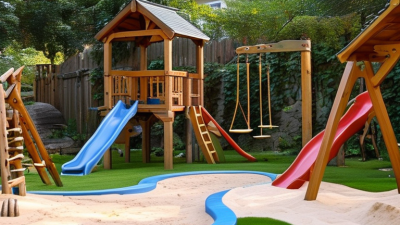
| Supplier Profile 02 | Wooden play towers Swings Sandbox units | Pressure-treated or naturally durable timber, stainless steel, HDPE, weather-resistant coatings | EN 1176 series for playground equipment; EN 1177 for impact-attenuating surfacing; local building requirements | Timber finish, roof style, swing-bay width, sandbox dimensions, accessibility features | 2–10 years, subject to design and supervision | Private backyards, resorts, eco-themed outdoor spaces | Timber treatment details, coating safety data, assembly drawings, maintenance schedule |
| Supplier Profile 03 | Metal swing sets Climbing frames Balance equipment | Hot-dip galvanized or powder-coated steel, EPDM or molded rubber seats, stainless fasteners | ASTM F1487; ASTM F1292; ASTM F1951 for accessible surfacing where applicable | Frame dimensions, number of seats, belt or flat seats, color scheme, anchor arrangement | 3–12 years | Backyards, schools, community gardens, recreational facilities | Welding-quality records, corrosion-protection specification, load calculations, inspection checklist |
| Supplier Profile 04 | Compact toddler units Low slides Interactive panels | Rounded-edge HDPE, low-height steel frames, molded plastic components, non-toxic coatings | EN 1176 or ASTM F1487 according to the target market; EN 71-3 may be relevant for certain surface or material assessments | Low platform height, sensory panels, color combinations, tactile components, footprint reduction | 6 months–5 years, according to the product design | Early-learning centers, private gardens, toddler zones | Age-group assessment, edge and entrapment review, chemical test reports, user instructions |
| Supplier Profile 05 | Adventure play systems Rope courses Net climbers | Galvanized steel posts, UV-stabilized polypropylene rope, HDPE or HPL panels, stainless connectors | EN 1176-1 and relevant EN 1176 equipment sections; ASTM F1487 for U.S.-market designs | Theme design, route difficulty, platform count, rope colors, capacity, site-specific layout | 5–14 years, depending on challenge level | Large gardens, resorts, family entertainment areas, community parks | Rope specifications, structural calculations, fall-zone plan, installation and inspection procedures |
| Supplier Profile 06 | Inclusive playgrounds Transfer platforms Accessible swings | Powder-coated steel, wheelchair-friendly ramps, HDPE, stainless steel, impact-attenuating rubber surfacing | ASTM F1487 and ASTM F1951 where applicable; EN 1176 accessibility provisions; local accessibility regulations | Ramp orientation, transfer height, sensory elements, inclusive seating, surfacing layout | 2–12 years, with inclusive access features selected by site requirements | Inclusive backyards, schools, therapy centers, public recreation areas | Accessibility statement, surfacing test data, ramp specifications, user and maintenance manuals |
| Supplier Profile 07 | Freestanding slides Spiral slides Tube slides | Rotomolded or vacuum-formed plastic, stainless steel, galvanized steel, UV-resistant pigments | EN 1176-3 for slides; ASTM F1487 and ASTM F1292 for applicable U.S.-market installations | Slide length, height, exit design, straight or curved profile, color, platform type | 2–12 years, based on slide height and design | Backyards, schools, indoor-outdoor play zones, resorts | Plastic material data, dimensional drawings, fall-height information, anchoring details |
| Supplier Profile 08 | Fitness and play combinations Monkey bars Balance beams | Galvanized steel, stainless steel grips, EPDM components, reinforced plastic panels | EN 1176 for playground equipment; EN 16630 may apply to permanently installed outdoor fitness equipment | Bar spacing, equipment height, circuit layout, grip type, color, user-capacity planning | 5 years and above, depending on whether the equipment is play or fitness oriented | Family gardens, residential developments, mixed-use outdoor spaces | Equipment classification, load data, fall-zone drawings, installation and inspection records |
| Supplier Profile 09 | Modular play systems Multi-activity towers Add-on accessories | Powder-coated steel, HDPE, HPL, aluminum roof panels, stainless-steel fasteners | GB/T 27689 for children's playground equipment in China; EN 1176 or ASTM F1487 for export markets | Modular footprint, activity selection, tower quantity, theme graphics, color palette, future expansion | 2–12 years, depending on selected modules | Projects requiring phased purchasing or flexible site planning | Compliance declaration, product drawings, structural calculations, packing list, spare-parts list |
| Supplier Profile 10 | Custom themed playgrounds Nature play Water-play accessories | Timber or steel structures, HDPE, fiberglass-reinforced components, stainless steel, EPDM surfacing | EN 1176, ASTM F1487, ASTM F1292, or applicable local standards selected according to destination market | Architectural theme, custom colors, carved or printed panels, site-specific geometry, branded artwork supplied by the buyer | 2–14 years, determined by the final risk assessment and equipment design | Premium residences, resorts, schools, landscape projects, destination play areas | Concept drawings, risk assessment, prototype approval, engineering package, quality-control records |
| Important purchasing note: The profiles above describe common Chinese supplier capability categories rather than verified rankings or named companies. Standards should be confirmed against the destination country, product age group, installation surface, fall height, accessibility requirements, and the latest edition of the applicable standard. Request independent test reports and project-specific compliance documents before placing an order. | |||||||
Choosing the right Chinese backyard playground equipment supplier requires more than comparing catalog prices.
Start by checking factory experience, production capacity, and completed projects similar to yours. Request recent photos, material specifications, and references from comparable installations. A reliable supplier should explain its process clearly, not hide behind polished brochures.
Ask for drawings, surface-treatment details, and safety documentation before approving a design.
Steel thickness, weld quality, plastic durability, and fall-zone planning deserve close attention. Confirm which testing standards the equipment follows, such as ASTM or EN requirements applicable to your market.
Independent inspection before shipment can verify dimensions, finishes, packaging, and key components.
Small details matter.
Communication is another practical test. Send one detailed specification and compare the supplier’s response.
Do they identify missing information? Do they confirm timelines in writing? A low quotation may exclude installation guidance, spare parts, export packing, or replacement hardware. That mistake becomes expensive later.
I have found that sample approval improves decisions, although samples rarely reveal every production risk.
Keep a written quality agreement covering tolerances, inspection points, delivery terms, and after-sales support.
Visit the factory when possible, or use a qualified third-party auditor when travel is impractical.
Reliability is demonstrated through records, not promises.