• Monday

    9:00-5:00

  • Tuesday

    9:00-5:00

  • Wednesday

    9:00-5:00

  • Thursday

    9:00-5:00

  • Friday

    9:00-5:00

  • Saturday

    9:00-4:00

  • Sunday

    CLOSED

Top 10 Vinyl Playground Sets for Schools and Parks?

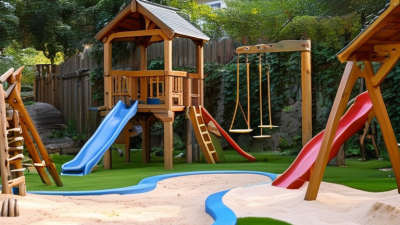
Choosing playground equipment for a school or public park requires more than bright colors and a low purchase price. A reliable vinyl playground set should support active play, withstand daily use, and remain comfortable under changing weather. Teachers, park managers, and families often notice small details first: rounded edges, stable platforms, shaded slides, and surfaces that are easy to clean. Those details influence confidence long after installation.

This guide reviews ten promising playground sets for schools and parks. Each option is considered through practical experience, manufacturer information, material quality, safety features, maintenance needs, and overall value. We examine age ranges, accessible routes, fall protection, drainage, and the space required around each structure. We also consider supervision, cleaning routines, replacement parts, and installation support. Local inspectors and qualified installers should confirm compliance with current safety standards before opening any site. Product claims deserve verification, too.

No set fits every location. A compact courtyard may need a different layout from a wide neighborhood park. Vinyl can resist moisture and simplify cleaning, but it may still fade, crack, or feel hot without proper care. That weakness matters. Budget estimates can also change when surfacing, fencing, delivery, and site preparation are added. We will point out these trade-offs instead of treating every product as perfect. Expect clear comparisons, realistic questions, and useful observations from people who maintain playgrounds, not only those who sell them. Small choices matter.
Top 10 Vinyl Playground Sets for Schools and Parks?

What Defines a Vinyl Playground Set for Schools and Parks

Top 10 Vinyl Playground Sets for Schools and Parks?

What Defines a Vinyl Playground Set for Schools and Parks

A vinyl playground set is usually a play structure with vinyl-coated steel, PVC panels, or vinyl-covered accessories. However, “vinyl” is not a safety classification. It mainly describes the surface material and construction method. Not every colorful panel is vinyl.

For schools and parks, safety performance matters more than appearance. The U.S. Consumer Product Safety Commission reports approximately 200,000 playground injuries requiring emergency treatment each year. About 75% involve falls, according to its Public Playground Safety Handbook. Therefore, a suitable set needs impact-attenuating surfacing, secure platforms, rounded edges, and controlled fall zones. ASTM F1487 provides widely used performance guidance for public playground equipment. Accessibility should also follow applicable ADA requirements.

Good vinyl construction includes UV-resistant coatings, sealed seams, smooth transitions, and drainage that prevents trapped water. Vinyl can feel comfortable under sunlight, but it may crack after repeated freezing, impact, or poor cleaning practices. A glossy finish can hide wear. That worries me.

Facility teams should inspect fasteners, anchors, seams, handrails, and surfacing regularly. CPSC guidance emphasizes routine inspection and maintenance, not just initial compliance. The National Center for Injury Prevention and Control also identifies falls as a major source of childhood injury. In practice, the best school or park set balances inclusive design, visible supervision, repair access, and long-term durability. A low-maintenance claim should never mean maintenance-free.

Top 10 Vinyl Playground Sets for Schools and Parks

What defines a vinyl playground set for schools and parks? The following chart highlights key planning benchmarks used when evaluating accessible, school-ready, and park-ready playground layouts. Vinyl-coated components should still meet the same dimensional and safety requirements as other playground equipment.

How to read the chart: Values are presented in inches and reflect commonly referenced accessibility and playground-safety benchmarks. Final equipment selection should also consider age range, fall height, impact-attenuating surfacing, supervision, installation, and local requirements.

Reference framework: U.S. Access Board ADA Standards for Accessible Design and U.S. Consumer Product Safety Commission Public Playground Safety Handbook.

Key Safety, Durability, and Accessibility Standards

When schools and parks compare ten vinyl playground sets, appearance should rank below risk control. The U.S. Consumer Product Safety Commission reports that falls cause about 79% of playground injuries. That figure makes impact attenuation essential, not optional. Specify tested surfacing depths for each fall height, then verify installation records. ASTM F1487 covers public-use equipment, including structural strength, openings, sharp edges, and entrapment risks. Vinyl-coated panels should resist cracking, peeling, moisture, and ultraviolet exposure. Inspect seams, bolts, drainage points, and hot metal near hand level. A bright finish can hide a weak joint.

Accessibility needs equal attention. The 2010 ADA Standards generally require an accessible route to play areas and address accessible ground-level and elevated components. For larger play areas, ADA 240.2.1.2 requires at least 50% of elevated components to connect by an accessible route. Measure slopes, clear widths, transfer platforms, and turning space onsite. Do not trust a catalog diagram. In site reviews, sand, roots, and settling often reduce access before equipment fails. A ten-set shortlist should record age range, fall height, inspection frequency, replacement parts, and cleaning methods. The CPSC Public Playground Safety Handbook recommends regular inspections and maintenance through a written system. That system is imperfect, but undocumented care is worse.

Comparing the Top Vinyl Playground Set Designs

Comparing the Top Vinyl Playground Set Designs

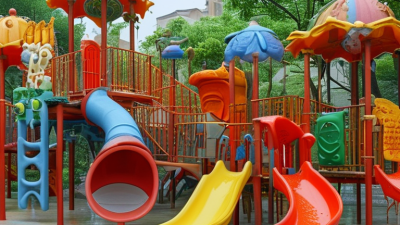
The strongest vinyl playground sets balance safety, access, shade, and daily maintenance. I compare ten popular layouts, including compact climbers, tower slides, activity panels, bridge systems, and inclusive transfer platforms. Vinyl-coated steel frames resist moisture and provide a smoother touch than untreated metal. However, coating quality varies. Inspectors should check peeling, sharp edges, exposed fasteners, and fading around busy handgrip areas.

CPSC’s 2023 Playground-Related Injuries and Deaths report estimated 155,400 emergency-department-treated injuries involving children aged 0–14. Falls remained the leading mechanism. That figure makes deck height, guardrails, impact attenuation, and clear use zones more important than decorative themes. ASTM F1487-21 also guides public playground equipment design, while the U.S. Access Board’s accessibility standards support reachable routes and usable transfer features. A good design serves different abilities without making the layout feel clinical.

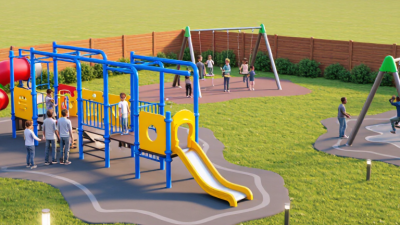
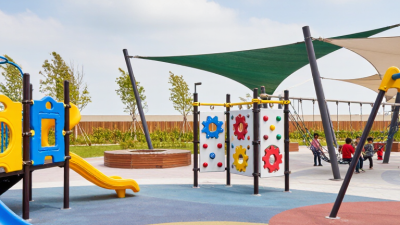
In school yards, compact two-deck vinyl sets often manage supervision well. Parks may benefit from larger multi-tower systems with separated age zones. Shade roofs reduce surface heat, but they need regular cleaning and structural checks. Vinyl can look inviting after installation, yet dirt collects around textured panels.

I have also seen attractive sets with awkward circulation between slides and climbers. That weakness deserves more attention. Rankings should include inspection time, replacement access, drainage, and real user flow, not only bright colors or equipment counts.

Choosing Equipment for Different Ages and Spaces

Top 10 Vinyl Playground Sets for Schools and Parks?
Choosing Equipment for Different Ages and Spaces

A strong playground choice begins with age, not appearance. The U.S. Consumer Product Safety Commission estimates over 200,000 children receive emergency treatment for playground injuries annually. Equipment should match children’s abilities, height, and coordination. For ages two to five, choose low platforms, short slides, gentle climbers, and enclosed openings. Older children need greater challenge, but not unnecessary height.

Space changes the decision. The CPSC recommends protective surfacing and clear use zones around equipment. ASTM F1487 also guides public playground design, structural performance, and safety testing. Measure the site before selecting a vinyl playground set. Check pathways, shade, drainage, visibility, and access for children using mobility devices. Vinyl-coated surfaces can simplify cleaning, yet they still need regular inspection. Look for peeling, cracks, sharp edges, loose fasteners, and exposed metal.

Tips: Separate equipment for ages two to five and five to twelve. Leave generous clearance around swings and slides. Keep adults’ sightlines open. Inspect high-touch vinyl areas after extreme weather. A monthly checklist helps, but it should not replace professional inspections. One detail is easy to miss: a beautiful set can still be poorly placed. Reconsider crowded layouts, hard ground, and equipment that encourages older children to overtake younger users. Some choices will need revision after observing real play.

Planning Installation, Maintenance, and Long-Term Value

Top 10 Vinyl Playground Sets for Schools and Parks: Planning Installation, Maintenance, and Long-Term Value

Choosing a vinyl playground set requires more than comparing colors and climbing features. CPSC staff reported about 200,000 emergency-department injuries annually from playground equipment during 2016–2018. Falls remained the leading injury source. That figure makes surfacing, fall zones, and supervision essential planning items.

Use installers familiar with ASTM F1487 and ASTM F1292 requirements. Verify impact-attenuating surfacing before opening the site. The 2010 ADA Standards also require accessible routes and play components. Measure clearances carefully around slides, swings, and transfer platforms. A beautiful layout can still fail practical access tests.

Vinyl-coated parts resist moisture, but they are not maintenance-free. Inspect seams, bolts, anchors, drainage points, and exposed metal every month. Wash high-touch surfaces with mild soap, then check for cracking or discoloration. Record repairs with dates and photographs. Small defects become expensive during busy school seasons.

Budget for replacement hardware and resurfacing, not just installation. A low purchase price may hide higher labor costs later. That assumption is convenient, and sometimes wrong. Dark surfaces can become uncomfortably hot under strong sunlight, so shade planning matters. CPSC safety guidance, ASTM standards, and local inspection records should guide final decisions. Performance is measured over years, not opening day.

Top 10 Vinyl Playground Sets for Schools and Parks? - Planning Installation, Maintenance, and Long-Term Value

Planning comparison for vinyl-coated or vinyl-panel playground configurations. Dimensions, capacity, cost, and installation figures are typical planning ranges rather than quotations for a specific product.
Rank Playground Set Configuration Recommended Age Approx. Decks / Play Features Recommended Use Zone Typical Capacity Inclusive Design Potential Indicative Installed Cost (USD) Typical Installation Time Routine Maintenance Expected Service Life Best Long-Term Value For
1 Compact Two-Deck Multi-Play Unit 2–5 years 2 decks; slide, crawl tunnel, steps, panel activities Approx. 30 ft × 28 ft 12–18 children High
Transfer access, ground-level activities, accessible route
$35,000–$60,000 2–4 days after site preparation Inspect fasteners, surfaces, slides, railings, and surfacing; wash panels as needed 15–20 years with scheduled care Preschools and small neighborhood parks with limited space
2 Elementary Tower-and-Slide Set 5–12 years 3–4 decks; slides, climbers, bridge, overhead activity Approx. 42 ft × 36 ft 20–30 children High
Ground-level play, transfer station, accessible approach
$55,000–$90,000 3–5 days after site preparation Monthly visual checks; seasonal tightening, cleaning, and surfacing review 15–20 years with proper drainage and repairs Elementary schools needing varied play and good supervision visibility
3 Inclusive Ramp-Access Multi-Play Set 5–12 years 2–3 decks; ramp, transfer point, slides, sensory panels Approx. 46 ft × 40 ft 18–28 children Very high
Ramp circulation, transfer access, accessible ground-level components
$70,000–$115,000 4–7 days after site preparation Check ramp handrails, transitions, drainage, fasteners, and impact surfacing 15–20 years with accessible components maintained Schools and parks serving children with varied mobility needs
4 Large School Quad Multi-Play Structure 5–12 years 4–6 decks; bridges, climbers, slides, panels, balance elements Approx. 58 ft × 48 ft 30–45 children Medium to high
Accessibility depends on selected route and components
$90,000–$150,000 5–8 days after site preparation Frequent checks during school terms; replace worn hardware and damaged panels promptly 15–20 years; high-use areas may require earlier component renewal High-enrollment schools requiring strong play capacity
5 Nature-Themed Vinyl Panel Set 2–12 years 2–4 decks; tree, animal, or nature panels; slide and climber options Approx. 44 ft × 38 ft 20–32 children Medium to high
Accessible panels and ground-level activities can be specified
$60,000–$105,000 4–6 days after site preparation Clean textured panels, inspect graphics and edges, remove debris from drainage areas 15–20 years with UV-resistant finishes and routine cleaning Parks and schools seeking themed play without masonry construction
6 High-Throughput Park Adventure Set 5–12 years 4–6 decks; multiple slides, climbers, overhead and balance features Approx. 62 ft × 52 ft 35–50 children Medium
Can include accessible route and ground-level activity zones
$110,000–$180,000 6–10 days after site preparation Weekly visual checks in busy seasons; quarterly detailed inspection recommended 12–18 years under heavy public use; longer with timely repairs Busy municipal parks with high daily visitor volume
7 Toddler Discovery Play Set 6 months–5 years Low platforms; crawl-throughs, small slide, activity panels Approx. 28 ft × 24 ft 10–16 children High
Low-height elements, transfer access, sensory activities
$28,000–$50,000 2–4 days after site preparation Frequent cleaning; inspect low slides, barriers, handholds, and surfacing transitions 15–20 years with controlled age-group use Day-care centers, early-learning areas, and family parks
8 Schoolyard Climbing-and-Slide Set 5–12 years 2–3 decks; climbing wall, net climber, slide, balance bridge Approx. 40 ft × 34 ft 18–26 children Medium
Accessible ground-level elements can supplement climbing features
$48,000–$82,000 3–5 days after site preparation Inspect ropes, nets, grips, anchor points, fasteners, and impact surfacing 12–18 years; climbing components may need earlier replacement Schools prioritizing active physical play in a moderate footprint
9 Mixed-Age Community Play Set 2–12 years Separate low and high areas; slides, panels, climbers, bridge Approx. 54 ft × 44 ft 25–40 children High
Separate age zones with accessible play opportunities
$80,000–$135,000 5–8 days after site preparation Inspect age-zone boundaries, signage, surfacing, panels, and high-use connections 15–20 years with clear separation of age groups Community parks serving toddlers, children, and caregivers together
10 Small Footprint Urban Play Set 2–12 years 1–2 decks; compact slide, panels, climber, seating edge Approx. 32 ft × 26 ft 10–20 children Medium
Accessibility depends on route, surfacing, and selected activities
$32,000–$65,000 2–4 days after site preparation Inspect frequently used components, graffiti, drainage, surfacing, and boundary clearances 12–18 years in dense urban or high-use locations Small parks, apartment communities, and constrained school sites
Planning notes: Installed-cost ranges are broad U.S. planning estimates and can vary by region, site access, demolition, drainage, foundations, surfacing, fencing, shade structures, and permitting. Final layouts should be reviewed against applicable playground safety, accessibility, fall-zone, and surfacing requirements, including current local regulations and recognized standards such as ASTM F1487, ASTM F1292, ASTM F1951, and the U.S. Consumer Product Safety Commission Public Playground Safety Handbook.