• Monday

    9:00-5:00

  • Tuesday

    9:00-5:00

  • Wednesday

    9:00-5:00

  • Thursday

    9:00-5:00

  • Friday

    9:00-5:00

  • Saturday

    9:00-4:00

  • Sunday

    CLOSED

Top 10 Playground Sets for Home Which One Is Best?

Choosing among the top 10 playground sets for home is not simply a matter of color, price, or online ratings. A safe backyard should also support climbing, swinging, balancing, sliding, and imaginative play. The right choice depends on your children’s ages, available space, ground surface, and daily supervision. Measure the yard before shopping. Leave clear fall zones around every elevated platform. Check whether the set includes strong anchors, rounded edges, secure hardware, and weather-resistant materials. Wood may look warm and natural, while metal can offer durability, but both require regular inspection.

Dr. Donna Thompson, a respected playground-safety researcher and former leader of the National Program for Playground Safety, has stated, “Supervision is the key to preventing playground injuries.” That reminder matters, even when a product claims to meet safety standards. A reliable playground set should match children’s developmental abilities, not merely promise years of use. Toddlers need lower platforms and enclosed steps. Older children may prefer challenging climbing walls or rope features. However, bigger is not always better. A crowded set can reduce safe movement and make supervision harder.

This guide compares playground sets for home through practical details, including construction, footprint, maintenance, safety features, and play value. It also considers honest limitations. No single model suits every family. Some sets require difficult assembly. Others may fade, loosen, or become noisy over time. Read the full comparison before deciding. Your backyard deserves more than an attractive centerpiece. It needs a dependable place where children can explore, laugh, and return safely tomorrow.
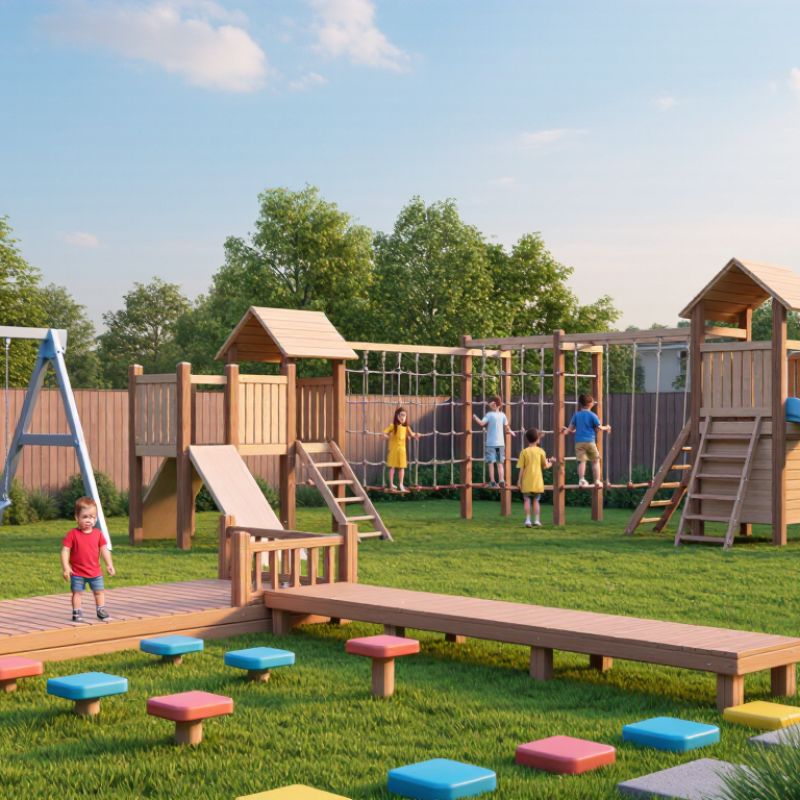
Top 10 Playground Sets for Home Which One Is Best?

What a Home Playground Set Is and How It Supports Child Development

A home playground set is a small outdoor or indoor structure designed for active play. It may include swings, slides, climbing areas, or a low platform. More than entertainment, it gives children space to practise balance, coordination, strength, and body control. Climbing encourages problem-solving, while swinging can support rhythm and spatial awareness. Pretend play adds language and social development when children create games together.

I once assumed that a larger playground was always better. I was wrong. A well-designed set should match a child’s age, height, confidence, and available space. Younger children may benefit from short steps and secure handrails. Older children often need more challenging climbing options. Adults should check bolts, ropes, surfaces, and sharp edges regularly. A soft, well-maintained landing area is also essential. Supervision still matters, even when the equipment seems simple.

Tips:

Measure the installation area before buying. Leave clear space around moving parts. Choose stable materials and age-appropriate features. Watch how your child uses the set, not just what the instructions promise. Some children avoid slides but love climbing, and that preference can change. Inspect the structure after storms, heavy rain, or long periods without use. Safety guidance from local authorities or qualified installers can provide more reliable direction than online comments.
Which Safety Features Make a Playground Set Suitable for Home Use

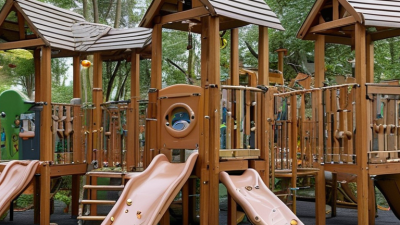
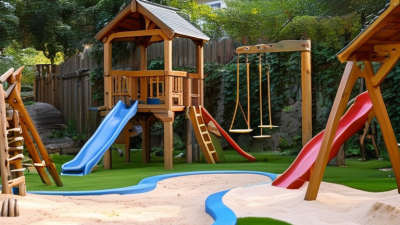
Choosing among the top 10 playground sets for home should begin with safety, not appearance. A sturdy frame matters, but safe design matters more. Look for rounded edges, covered bolts, and smooth surfaces without splinters. Guardrails should protect elevated platforms on every exposed side. Openings must not trap a child’s head, hands, or feet.

A proper fall zone is essential. Place the set on impact-absorbing material, such as engineered wood fiber or approved rubber surfacing. Grass can look soft, but it offers limited protection after rain or repeated use. Anchor the structure securely, especially on sloped or windy ground. Check the swing beam, chains, seats, and connectors before children play. Small cracks can become serious failures.

Age suitability also deserves close attention. A toddler platform should not have the same height or climbing challenge as equipment for older children. Choose slides with secure entry points and safe exits. Keep swings away from fences, walls, and walkways. Shade can reduce hot metal and sun exposure, but it does not replace supervision. I once focused too much on a set’s size and overlooked its awkward ladder spacing. That mistake changed my checklist. Safety labels and recognized testing information can support a purchase, but careful installation remains important. Even a well-designed set needs regular inspections, because weather, loose hardware, and changing play habits can create new risks.

Top 10 Playground Sets for Home: Which One Is Best? — Safety Features That Make a Playground Set Suitable for Home Use

Rank Playground Set Type Typical Age Range Approximate Footprint Main Play Features Key Home-Safety Features Recommended Surfacing Best For Safety Score
1 Compact Fort with Slide 2–5 years 2.4 m × 2.1 m
(7.9 ft × 6.9 ft)
Low platform, short slide, climbing steps, steering wheel ✓ Enclosed platform sides
✓ Wide, slip-resistant steps
✓ Rounded edges
✓ Low fall height, generally below 1.2 m
Engineered wood fiber, rubber mulch, or another impact-attenuating surface Toddlers and small yards ★★★★★
2 Single-Wave Slide Set 2–5 years 2.7 m × 2.2 m
(8.9 ft × 7.2 ft)
Raised deck, wave slide, climbing ladder, play panel ✓ Guardrails around elevated areas
✓ Handholds on climbing access
✓ Slide exit zone clear of obstacles
✓ UV-resistant, splinter-free surfaces
At least 23 cm (9 in) of loose-fill material is commonly used for home equipment, subject to local guidance First backyard playset ★★★★★
3 Swing-and-Slide Station 3–8 years 3.6 m × 3.0 m
(11.8 ft × 9.8 ft)
Two belt swings, platform, straight slide, ladder ✓ Swing beam with secure ground anchors
✓ Flexible swing seats with enclosed hangers
✓ Protective caps over exposed hardware
✓ Recommended use zones marked around swings
Rubber tiles, poured-in-place rubber, or deep loose-fill surfacing Siblings who want varied play ★★★★☆
4 Monkey-Bar Adventure Set 5–12 years 3.8 m × 2.8 m
(12.5 ft × 9.2 ft)
Overhead ladder, climbing wall, platform, slide ✓ Non-slip climbing grips
✓ Consistent bar spacing to reduce entrapment risk
✓ Strong frame bracing and anchoring
✓ Guardrails at elevated platforms
Deep engineered wood fiber or rubber surfacing designed for the equipment’s fall height Active school-age children ★★★★☆
5 Climbing Dome and Play Deck 5–12 years 3.2 m × 3.2 m
(10.5 ft × 10.5 ft)
Climbing dome, access ladder, small deck, fire-pole alternative ✓ Smooth, corrosion-resistant grips
✓ No sharp projections or protruding bolts
✓ Stable base with multiple anchoring points
✓ Fall zone kept free from hard landscaping
Rubber mulch, engineered wood fiber, or other tested impact-attenuating material Climbing-focused play ★★★★☆
6 Two-Platform Fort Set 3–10 years 4.2 m × 3.4 m
(13.8 ft × 11.2 ft)
Two decks, tunnel, climbing wall, slide, lookout railings ✓ Fully guarded elevated platforms
✓ Tunnel openings sized to avoid head entrapment
✓ Secure ladder rungs
✓ Weather-resistant structural materials
Impact-attenuating surfacing extending throughout the use zone Multiple children and imaginative play ★★★★☆
7 Swings with Glider Attachment 3–8 years 3.4 m × 3.0 m
(11.2 ft × 9.8 ft)
Two belt swings, parent-child glider, trapeze bar ✓ Shock-absorbing swing seats
✓ Covered chain pinch points
✓ Reinforced A-frame legs
✓ Clear spacing between moving components
Rubber surfacing or properly maintained loose-fill material Families prioritizing swing play ★★★★☆
8 Natural Timber Play Tower 3–10 years 3.5 m × 2.7 m
(11.5 ft × 8.9 ft)
Wooden tower, climbing ladder, slide, sandbox area ✓ Smoothly sanded and sealed wood
✓ Rounded corners and capped fasteners
✓ Guardrails on all elevated sides
✓ Regular inspection required for cracks, splinters, and rot
Engineered wood fiber or rubber mulch, kept clear of the sandbox Backyards with a natural design ★★★★☆
9 Plastic Toddler Activity Center 18 months–5 years 2.0 m × 1.8 m
(6.6 ft × 5.9 ft)
Low slide, crawl-through tunnel, activity wall, steps ✓ Very low platform height
✓ Broad, stable base
✓ Molded rounded surfaces
✓ No chains or high climbing elements
Grass may be suitable for very low equipment if allowed by local guidance; impact surfacing provides additional protection Young toddlers and supervised play ★★★★☆
10 Large Multi-Activity Playset 5–12 years 5.0 m × 4.0 m
(16.4 ft × 13.1 ft)
Three-position swing beam, climbing wall, tower, slide, sandbox ✓ Multiple guardrails and handholds
✓ Heavy-duty anchoring system
✓ Separate zones for swings and climbing
✓ Clear manufacturer weight limits and inspection points
Tested rubber surfacing or correctly installed loose-fill material covering the entire fall zone Large families with ample space ★★★★☆

Dimensions are typical planning measurements for residential equipment and exclude additional clearance zones. Before installation, follow the product’s instructions, local building requirements, and applicable playground-safety guidance. Maintain a clear protective surface around slides, swings, climbing components, and elevated platforms, and inspect the set regularly for loose hardware, corrosion, cracks, splinters, and worn surfacing.

How the Top Ten Home Playground Sets Differ in Design and Function

Top 10 Playground Sets for Home: Which One Is Best?

The top ten home playground sets differ more in function than appearance. During backyard planning, I found that a compact tower suits younger children better. It usually includes a short slide, low steps, and wide handrails. Larger sets may add climbing walls, monkey bars, swings, or shaded platforms. These features encourage varied movement, but they also need more space and supervision. A wooden structure can blend with a garden, while a metal frame often feels lighter and easier to reposition. Some designs focus on imaginative play. Others prioritize physical challenges. Neither approach is automatically better.

Tips: Measure twice. Leave clear fall zones around every climbing feature. Check the recommended age range, maximum load, platform height, and hardware quality. The ground should be level, stable, and cushioned with suitable protective material. Inspect bolts, ropes, slides, and swing connections each month. Small cracks can become serious problems. A set may look attractive online, yet feel cramped after installation. I once underestimated the space needed beside a swing. That mistake changed how I compare layouts.

Function also depends on daily use. A busy family may prefer two swings and a simple access ladder. A smaller household might value a climbing wall and a creative playhouse. Weather resistance matters in rainy or sunny regions. Drainage holes, rounded edges, and secure anchors show thoughtful engineering. Still, no design removes every risk. Children develop at different speeds, and adult supervision remains essential. Choose the set that matches your yard, children’s abilities, and realistic maintenance time.

Which Playground Set Fits Your Space, Children’s Ages, and Budget

Top 10 Playground Sets for Home: Which One Is Best?

The best playground set depends on your yard, children, and spending limit. Measure the available area before comparing slides, swings, and climbing walls. Leave a clear fall zone around every elevated feature. A compact set may suit a small patio, while a larger yard can support separate activity areas. Children under five usually need low platforms, short slides, and enclosed climbing sections. Older children often prefer taller structures, monkey bars, or challenging climbing nets. Always check the manufacturer’s age guidance and weight limits.

Budget beyond the purchase price. Installation, ground preparation, safety surfacing, and yearly hardware checks can change the final cost. Wood may blend beautifully with a garden, but it needs regular inspection for cracks and moisture damage. Plastic is often easier to clean, though some designs offer less room for growing children. Metal frames can feel sturdy, but they may become hot under direct sunlight. I would not choose a set only because it looks impressive. Children grow quickly, and my first preference might not remain practical for long.

Tips: Mark the full safety zone with string before buying. Test the walking path around the set. Choose shade where possible. Inspect bolts, ropes, and anchors each month. If your budget is tight, select fewer features with stronger construction. A simple set can still provide imaginative play. Reconsider the height if younger children will use it daily.

Top 10 Playground Sets for Home: Which One Is Best?

Compare typical planning footprints to find a playground set that fits your available space, children’s ages, and budget.

Footprints are representative residential configurations and exclude the additional safety clearance recommended around play equipment. Compact sets generally suit toddlers and smaller yards, while larger adventure systems support more children but require more space and investment. Typical budgets shown in the chart tooltip are broad U.S. retail planning ranges and may vary by materials, installation, and location.

How to Identify the Best Overall Playground Set for Your Family

Choosing the best overall playground set starts with your family, not the tallest tower. Measure the installation area, including a wide fall zone around every platform. The U.S. Consumer Product Safety Commission estimates that more than 200,000 children receive emergency treatment for playground-related injuries each year. Its Public Playground Safety Handbook also identifies falls as the leading injury mechanism. Therefore, prioritize shock-absorbing surfacing, secure guardrails, rounded edges, and stable anchoring. ASTM F1148 is a useful safety specification for residential playground equipment.

Age range matters. A preschooler may need low steps, short slides, and easy-grip handrails. Older children often need climbing challenges, but height can increase supervision demands. Check the weight limits for swings, platforms, and accessories.

Look for weather-resistant materials, smooth finishes, and hardware that cannot loosen easily. I have found that a simpler set often works better than a crowded design. More features sound attractive, yet unused attachments can create maintenance problems.

Tips: Leave clear sightlines from the house. Inspect bolts, ropes, and surfaces monthly. Test the ground after heavy rain. Keep water, sharp toys, and bicycles away from the fall zone. The American Academy of Pediatrics recommends active supervision, especially for younger children. Its guidance is practical, but families still need to judge their own layout. I would not rely on a safety label alone. Installation quality, daily checks, and honest age matching can matter just as much.