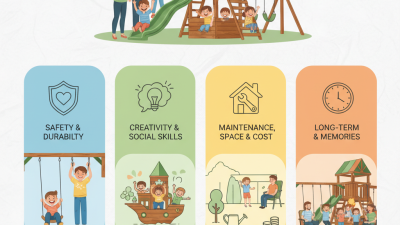
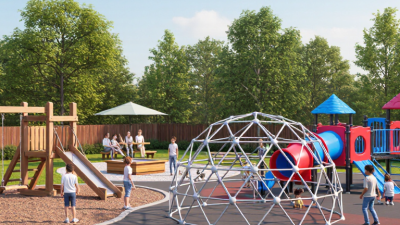
Choosing a swing set with slide for a school requires more than colorful equipment. It requires careful judgment about safety, access, supervision, and daily use. A well-designed swing set with slide can turn an empty corner into an active learning space. Children can climb, balance, swing, slide, wait, negotiate, and try again.
Playground safety expert Donna Thompson, Ph.D., has stated, “Supervision is a critical component of playground safety.” Her point matters in schools. Teachers need clear sightlines across the play area. They also need enough space between swings, platforms, and walking paths. A crowded layout may look exciting, but it can create confusion during busy recess periods. Certified equipment, impact-absorbing surfacing, secure anchors, and regular inspections should guide the purchasing decision.
The strongest choice also reflects children’s different abilities. Handrails should feel easy to grip. Steps need steady footing. The slide should offer a manageable height and a safe exit area. Inclusive routes can help more children participate, although no product serves every need perfectly. Schools should review age ranges, maintenance duties, weather exposure, and available staff before ordering. They should also ask whether replacement parts remain accessible.
A swing set with slide is not automatically a smart investment. Its value depends on thoughtful planning and consistent care. Even a respected manufacturer can make a poor fit for one campus. That is worth admitting. The best equipment supports joyful movement while giving adults practical control over safety. Done well, it becomes more than playground hardware. It becomes a reliable setting for confidence, cooperation, and healthy physical challenge.
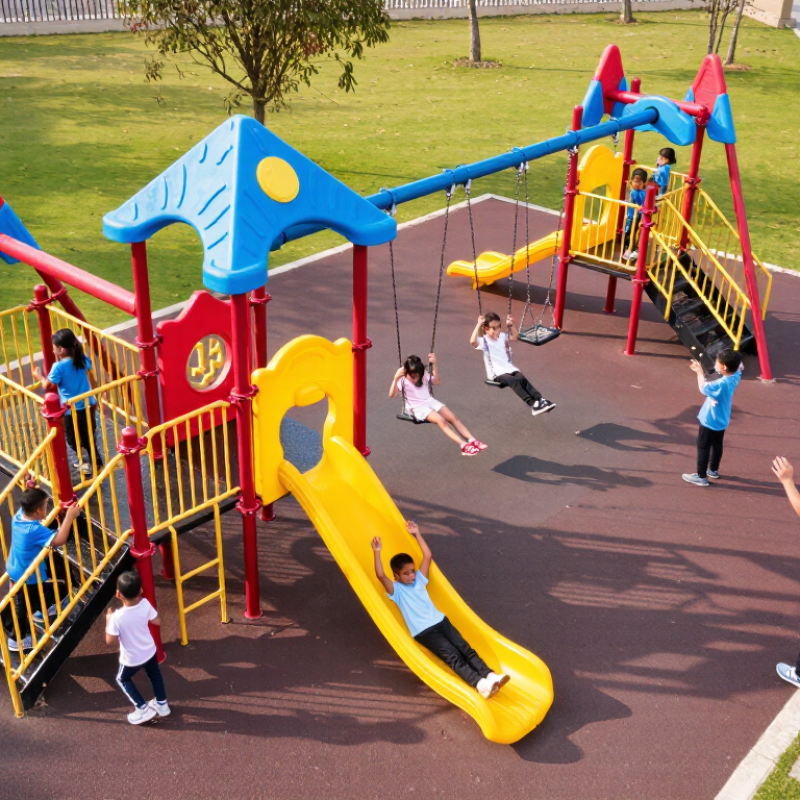
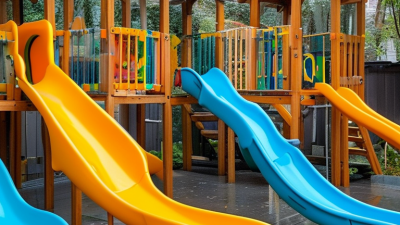
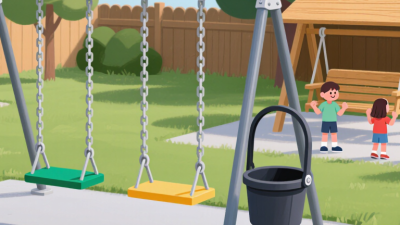
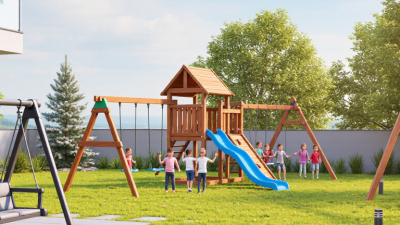
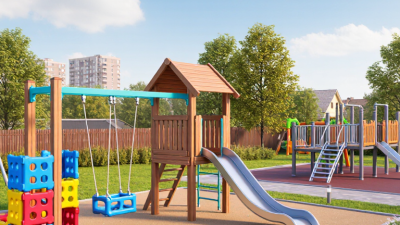
A school swing set with slide is a playground structure combining swinging and sliding in one connected unit. It usually includes two or more swings, a raised platform, steps, handrails, and a slide. This design lets children choose different types of movement without crossing the entire play area. The swing bay supports forward motion, while the platform encourages climbing, balance, and controlled descent.
From practical playground planning, placement matters as much as the equipment itself. The swing area needs clear front and rear zones. The slide exit should face an open space, away from walkways and fixed benches. Teachers and site managers should inspect bolts, chains, handgrips, platforms, and surfacing regularly. Look closely.
Reliable equipment should match children’s ages, body sizes, and expected activity levels. Rounded edges, secure barriers, stable foundations, and impact-absorbing surfacing reduce common injury risks. Following recognized playground safety guidance also helps schools create consistent inspection routines. Still, no structure is completely risk-free. A crowded layout can turn normal play into collisions, even when the set is well built. I have seen small spacing problems create larger supervision challenges. Schools should record repairs and adjust supervision when play patterns change. The best design may need improvement after real children use it.
| Data Dimension | Typical Specification or Value | Why It Matters in a School Setting | Planning and Safety Notes |
|---|---|---|---|
| Definition | A school swing set with slide is a commercial-grade playground structure that combines one or more swings with an attached or adjacent slide. | It provides multiple active-play options within one organized play area. | The final layout should be selected according to the intended age group, site conditions, and applicable playground safety requirements. |
| Primary Age Range | Commonly designed for children approximately 2 to 12 years old, with age-specific sections where required. | Schools can provide developmentally appropriate challenges for younger and older pupils. | Ages and equipment classifications should match the manufacturer’s instructions and local safety standards. |
| Typical Swing Capacity | Usually 2 to 4 swing positions on a school-sized frame. | Several children can participate at the same time, helping reduce waiting during recess. | Each seat, belt, or harness position should be used only as intended; standing or swinging empty seats should not be permitted. |
| Swing Seat Options | Common options include flat seats, belt seats, and supportive seats with higher back and restraint features. | Different seat types can support varied ages and physical abilities. | Supportive seats require appropriate supervision and should be installed with adequate clearance from adjacent swing positions. |
| Slide Height | Approximately 0.9 to 2.4 metres, depending on the intended age group and design. | Different platform heights allow schools to balance excitement with age-appropriate access. | The slide’s platform, guardrails, entry area, exit area, and fall zone must be designed as one complete safety system. |
| Overall Footprint | Many school units occupy approximately 25 to 60 square metres before additional circulation space is considered. | Knowing the approximate footprint helps schools plan placement, supervision, and access routes. | Actual dimensions vary considerably. The required use zone is larger than the equipment footprint and must be confirmed before installation. |
| Protective Surfacing | Common systems include engineered wood fibre, loose-fill rubber, poured-in-place rubber, rubber tiles, or other approved impact-attenuating surfaces. | Protective surfacing helps reduce injury severity from falls when correctly installed and maintained. | Surface type and depth should be selected according to the equipment’s critical fall height and the relevant local requirements. |
| Critical Fall Height | The critical fall height is determined by the highest designated play surface, such as a swing seat or slide platform. | It provides a basis for selecting suitable impact-attenuating surfacing. | The value is equipment-specific; schools should use the documented fall-height information supplied for the selected structure. |
| Safety Zone | A clear use zone is required around swings, slides, platforms, and access points; the exact distance depends on the equipment and applicable standards. | Separating moving equipment from walkways and other play events helps reduce collisions. | Do not place benches, fences, trees, drainage covers, or other obstacles inside required clearance areas. |
| Frame Materials | Common materials include galvanized or powder-coated steel, aluminum, and treated or engineered timber. | Durable materials are better suited to frequent use and changing outdoor conditions. | Inspect for corrosion, cracking, splintering, sharp edges, loose fasteners, and damaged coatings. |
| Slide Materials | Slides are commonly manufactured from rotationally molded plastic, stainless steel, or coated metal. | These materials can provide smooth sliding surfaces and long service life when properly maintained. | The slide should be checked for cracks, rough areas, exposed fixings, excessive heat, and secure attachment. |
| Accessibility Features | Possible features include transfer platforms, accessible routes, wide entry points, ground-level play elements, and supportive swing seats. | Inclusive design allows more children to participate in shared outdoor activities. | An accessible route to the equipment does not automatically mean every play component is independently accessible. |
| Supervision | Active adult supervision is recommended during school recess and organized play periods. | Supervisors can manage queues, identify unsafe behavior, and respond quickly to incidents. | Place the structure where staff have clear sightlines and avoid layouts that create hidden areas. |
| Inspection Frequency | Visual checks should be carried out regularly, with documented operational and periodic inspections based on use and local requirements. | Frequent checks help identify hazards before they affect children. | Inspection records should include surfacing condition, hardware, structural connections, moving parts, and drainage. |
| Maintenance Needs | Typical tasks include tightening hardware, replenishing or leveling loose-fill surfacing, cleaning slides, lubricating approved moving parts, and removing debris. | Routine maintenance preserves performance, hygiene, and the expected service life of the equipment. | Repairs should follow the equipment documentation and be completed by qualified personnel where structural components are involved. |
| Educational Benefits | Swings support balance and body control; climbing and sliding support coordination, spatial awareness, and risk-management skills. | Active play can complement physical education and provide varied movement experiences during breaks. | Benefits depend on appropriate design, supervision, inclusive access, and sufficient space for safe movement. |
| Best Placement | A level, well-drained outdoor area with good visibility and separation from vehicle routes and high-speed activities. | Good placement improves supervision, access, drainage, and everyday usability. | Consider sunlight, shade, prevailing weather, underground services, boundary distances, and emergency access before installation. |