Menu
Monday
9:00-5:00
Tuesday
9:00-5:00
Wednesday
9:00-5:00
Thursday
9:00-5:00
Friday
9:00-5:00
Saturday
9:00-4:00
Sunday
CLOSED
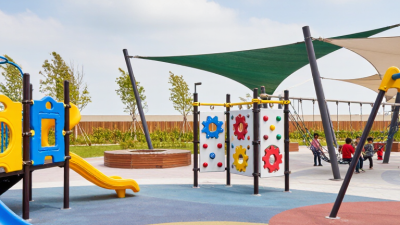
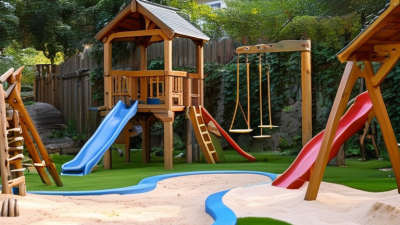
A playground can look inviting at first glance, yet feel awkward once children begin using it. A swing may sit in full sun, or a busy path may cut across the play area. The right playground accessories can make these spaces more comfortable, engaging, and easier to use. Think of shaded seating, activity panels, musical features, and practical storage. Small details matter. A bench near the play zone gives caregivers a place to watch, while accessible play elements can help more children join in. Still, no single accessory suits every site.
This guide explores ten useful playground accessories for schools and parks, with everyday use in mind. It considers how each item may support play, comfort, inclusion, or supervision, and what planners should check before choosing one. Space, age range, surfacing, weather, and maintenance needs all affect the decision. Even a well-designed feature can disappoint if it blocks a walkway or needs repairs the site cannot manage. That part is easy to overlook. The aim is not to promise a perfect playground, but to help readers compare options thoughtfully. Some choices involve trade-offs, and local conditions deserve a closer look before installation. A good accessory should fit the children, the setting, and the people who maintain it. And sometimes, simpler is better.
Playground accessories shape how children move, cooperate, and stay engaged in schoolyards and public parks. A low balance beam invites careful steps, while a climbing net gives children a reason to plan each move. These features add variety without requiring a larger play structure. Small details matter. Handholds should suit children’s reach, and surfaces beneath active equipment need regular checks for wear, loose parts, or pooling water. That routine can be easy to overlook on busy mornings.
Accessories can also support children with different ages and abilities. A ground-level sensory panel offers another way to take part. A broad transfer platform or musical element can give children more options beyond climbing. Shade and nearby benches help caregivers supervise, though their placement should not block sightlines or create hidden corners. Honestly, one bench placed too far from the play area may be little use. Worth checking. School and park teams can notice where children pause, queue, or leave equipment unused, then adjust placement and maintenance. Asking children what feels awkward may reveal issues adults missed.
When choosing playground accessories for schools and parks, start with the child’s age, ability, and likely play pattern. A climbing grip, swing seat, or accessible transfer platform should fit its users without creating pinch points or exposed edges. The U.S. Consumer Product Safety Commission’s Public Playground Safety Handbook reports that more than 200,000 children receive emergency-room treatment for playground-related injuries each year. That figure makes impact-absorbing surfacing and clear fall zones practical priorities, not decorative extras.
Check materials and construction as carefully as the play features. Look for corrosion-resistant hardware, rounded edges, secure fasteners, and surfaces that can withstand sun, rain, and frequent cleaning. ASTM F1292 sets performance requirements for the impact attenuation of playground surfacing; ask suppliers for test documentation relevant to the installed surface and equipment height. Keep records of inspections and repairs, too. Details matter.
A sturdy accessory can still become unsafe when bolts loosen or surfacing shifts. Inspect high-touch parts, including swing connectors and handholds, for cracks, movement, and sharp wear. The CPSC handbook recommends regular inspection and maintenance, but local use patterns should shape the schedule. A busy schoolyard may need more frequent checks than a lightly used park. Even a careful checklist misses things sometimes; invite staff to report small changes before they become bigger problems.
Playground accessories work best when they invite movement and leave room for invention. The CDC’s 2018 Physical Activity Guidelines for Americans recommend at least 60 minutes of daily activity for children ages 6–17. A climbing net, low balance beam, stepping pods, and overhead bars can turn a short visit into varied movement. Keep routes visible, and leave enough space for children to move without crossing one another’s paths.
Small details matter. A sturdy swing, accessible play panel, and musical chimes offer different ways to join in. Add a chalkboard, sand tools, or a small water-play channel, and children can build stories around the equipment. One afternoon, the chimes become a train station; the next, the balance logs become a river crossing. These simple props support both active play and shared imagination.
CPSC’s Public Playground Safety Handbook emphasizes age-appropriate equipment, protective surfacing, and clear use zones. Those details deserve attention alongside exciting features: check anchors, inspect moving parts, and keep fall areas clear. Not every feature works. A crowded accessory can frustrate children, and loose sand tools may disappear quickly. Plan for storage and routine checks, then watch how children actually use the space.
A comparison of the distinct play modes each accessory can commonly support.
Play-mode counts are an editorial classification, not measured performance data. Modes considered include movement, balance, coordination, social play, imagination, and sensory exploration; actual play depends on design and how children use the equipment.
An inclusive playground starts with a route everyone can use. A firm, smooth path should connect the entrance, seating, and play areas, without loose gravel or abrupt steps. Keep enough clear space beside equipment for wheelchairs and caregivers to pass. Small details matter. A shaded bench near the play zone gives adults a place to rest while staying close.
Accessible equipment can invite children to play together rather than apart. Ground-level panels, musical features, and wide transfer platforms offer different ways to join in. A supportive swing seat may help some children enjoy movement, while a quiet corner can offer relief from noise. Not every child will want the same experience. That takes listening. Ask local families and accessibility specialists to review plans before installation.
Good design also depends on upkeep. Check paths for pooling water, loose surfacing, and branches that narrow access. Inspect handholds, transfer points, and moving parts regularly. A feature that works on opening day may become difficult after wear or seasonal changes. No layout is perfect; observe how children actually use the space and adjust when barriers appear.
| Accessory | Accessible Design Features | Practical Specifications | Inclusive Benefits | Planning and Safety Notes |
|---|---|---|---|---|
| Accessible route and ground-level path | Firm, stable, slip-resistant surfaces connect entrances, play areas, and activity spaces. Use clear contrasts to help visitors distinguish paths from surrounding surfaces. | Plan route width, turning space, slopes, and passing areas to meet applicable accessibility requirements. Keep the route free of loose obstacles and protruding objects. | Supports people using wheelchairs, walkers, and other mobility devices, as well as caregivers and visitors with temporary mobility limitations. | Check local accessibility codes and drainage needs. Inspect regularly for pooling water, cracks, loose joints, and surface displacement. |
| Accessible swing seat with back support | A supportive seat with a backrest and secure restraint options can help some children sit comfortably and maintain a stable position. | Choose a seat and suspension system rated for the intended users and compatible with the swing frame. Provide a clear approach and transfer space nearby. | Offers a supported swinging option for children who need more trunk or postural support than a standard belt seat provides. | Use only as intended by the manufacturer. Check chains, connectors, seat condition, and surrounding impact-attenuating surfacing during routine inspections. |
| Wheelchair-accessible group spinner | A low-entry rotating platform with space for wheelchair users and companions encourages shared play. Handholds can offer additional stability. | Confirm entry dimensions, platform capacity, clear approach space, and accessible-route connections against the product specifications and applicable standards. | Allows children with different mobility needs to enjoy a shared motion activity together. | Provide adequate use and fall zones. Supervise use as appropriate, and make sure entry and exit areas remain clear. |
| Ground-level sensory activity panel | Include tactile, visual, and interactive elements at reachable heights, with controls that are easy to grasp and operate. | Offer more than one way to engage, such as turning, sliding, pressing, or tracing. Avoid small parts that could detach and create hazards. | Supports sensory exploration and play for children with a range of mobility, communication, and learning preferences. | Use durable, non-toxic materials suitable for outdoor exposure. Check moving parts, edges, fasteners, and surface temperatures. |
| Musical play station | Ground-level instruments with varied tones and tactile surfaces can be played by hand, mallet, or other adapted methods. | Position instruments along an accessible route and provide knee and toe clearance where the design allows seated approach. | Encourages cooperative, creative play and offers an engaging activity that does not rely on climbing or fast movement. | Choose weather-resistant components and secure mallets to reduce loss. Consider sound levels and placement near quiet areas. |
| Transfer platform and accessible climber entry | A stable transfer platform and reachable handholds can help some children move from a mobility device onto play equipment. | Design platform height, transfer space, handholds, and route connections to suit the equipment and applicable accessibility requirements. | Can provide access to elevated play for children who are able to transfer, while offering a clear, predictable entry point. | Transfers are not suitable for everyone. Provide an alternative ground-level play option and inspect platforms, handholds, and adjacent surfacing. |
| Accessible playhouse or sensory shelter | A ground-level structure with a wide, unobstructed entrance, open sightlines, and a low-threshold entry is easier for more visitors to use. | Connect the entrance to an accessible route and allow turning and maneuvering space inside where the structure is enclosed. | Offers a place for imaginative play, social interaction, or a quieter break from busy play areas. | Provide ventilation and visibility for supervision. Avoid sharp edges, pinch points, and enclosed spaces that restrict exit. |
| Inclusive communication board | Weather-resistant picture symbols and simple words can help visitors express choices, needs, and play ideas. | Mount the board where it is visible and reachable from a seated or standing position. Use clear symbols, strong contrast, and uncluttered layouts. | Supports communication among children with different speech, language, and communication abilities. | Use durable, easy-to-clean materials. Review symbols with local users and replace faded, damaged, or outdated content. |
| Shaded seating and companion benches | Provide seating with backs and armrests, alongside spaces where wheelchair users can sit next to companions without blocking the route. | Place benches on a firm, level surface and maintain clear circulation space around them. Include both sunny and shaded seating where possible. | Gives children, caregivers, and visitors with limited stamina a comfortable place to rest and remain close to the play area. | Keep seating outside required play and circulation clearances. Check for stable anchoring, splinters, corrosion, and excessive heat. |
| Accessible drinking fountain or bottle-filling station | Provide an accessible drinking option with usable controls, clear floor space, and an approach that does not require steps. | Select a model and installation height that comply with applicable accessibility requirements; consider both drinking access and bottle filling. | Helps children and adults with different heights and mobility needs stay hydrated during play. | Follow local plumbing and water-safety requirements. Keep the area drained and slip-resistant, and maintain filters and fixtures as specified. |
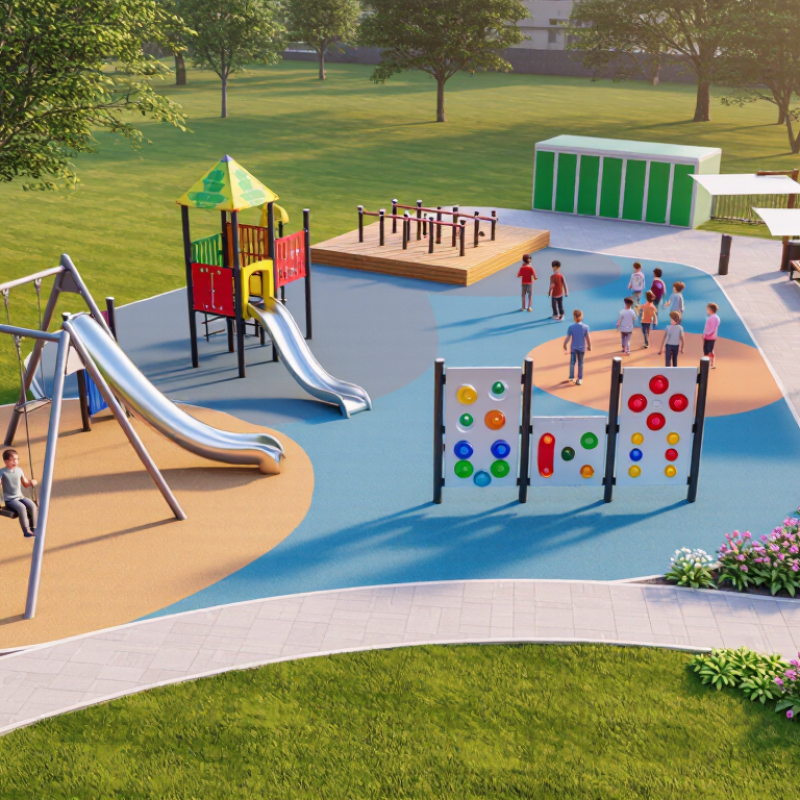
Playground accessories such as swings, climbing nets, and activity panels need careful installation before children use them. Follow the product’s installation instructions and confirm that the equipment suits the site and intended age group. Check the ground for buried services before digging. Set posts at the specified depth, use suitable anchors, and allow concrete to cure fully. Small gaps matter. Keep required clearances around moving parts, and make sure protective surfacing extends beneath fall zones. A level check can catch a leaning frame before it becomes a larger problem.
Inspection should be regular, not just a response to visible damage. Look for loose bolts, sharp edges, cracked plastic, splinters, rust, worn ropes, and standing water. Test moving components gently, and check that gates and fasteners close as intended. After storms or heavy use, inspect again. Keep a dated record of findings and repairs; it helps reveal recurring issues, though paperwork cannot replace a careful walk-through. Maintenance may mean tightening hardware, replacing worn parts, or refreshing impact-absorbing surfacing. Use compatible replacement components and follow the equipment maker’s guidance. Staff may overlook a small change when a playground is busy. A second set of eyes can help, especially when damage is easy to miss. Remove damaged accessories from use until they are repaired or replaced.